
What Happens If A Bread Maker Runs Out Of Power Mid-Cycle?
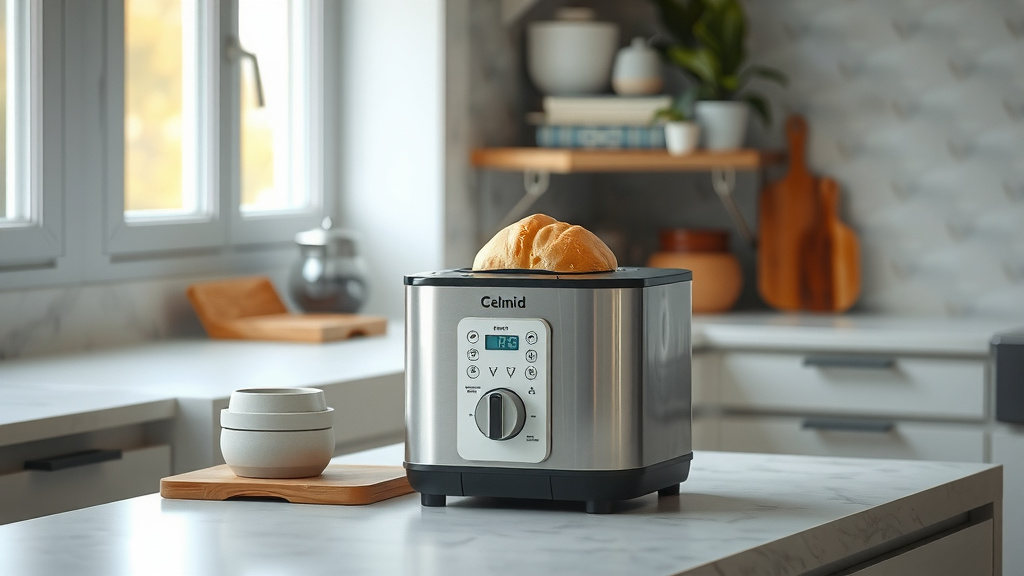
If a bread maker runs out of power mid-cycle, your bread will likely stop at its current stage, leaving you with unfinished dough or a partially baked loaf.
Many modern bread machines have a power outage protection feature that saves your progress for a short time, typically around 7 to 15 minutes.
TL;DR:
- Power loss stops your bread maker instantly, pausing the current cycle.
- Some machines offer brief power backup memory, often 7-15 minutes, to resume.
- The impact depends on the stage: early kneading is often recoverable, later baking stages are trickier.
- You might need to finish the bread manually in an oven or discard it.
- Always check your bread maker’s manual for specific power failure guidelines.
What Happens If A Bread Maker Runs Out Of Power Mid-Cycle?
When your bread maker loses power mid-cycle, the machine immediately stops all operations, leaving your dough or bread in whatever stage it was in.
The outcome greatly depends on when the interruption occurs during the baking process.
Understanding the Bread Maker Cycle
A bread maker follows a precise timeline, often divided into kneading, rising (or proofing), and baking stages.
Each stage is critical for developing gluten and achieving that perfect texture.
An unexpected stop disrupts this delicate balance, potentially affecting the final product’s quality.
Impact by Cycle Stage
The severity of a power interruption changes based on where your bread is in its journey.
Think of it like stopping a car mid-journey; it’s easier to restart if you’re just leaving the driveway.
During the kneading phase, if power cuts, the dough might be sticky or lumpy.
It hasn’t developed its full gluten structure yet, which makes it less forgiving to long pauses.
You might find the yeast hasn’t had much time to activate.
When the power cuts during the rising stage, your dough is actively expanding.
A sudden drop in temperature or a prolonged pause can cause the dough to deflate or over-proof, leading to a denser loaf.
The yeast activity can be irreversibly affected if the pause is too long.
If your machine stops during the baking process, you’ll have a partially cooked loaf.
This stage involves precise temperature and time, making it the most challenging to recover from.
The interior might be raw, while the exterior could be pale or even burnt depending on the exact timing.
Is Your Bread Salvageable?
Assessing your bread’s condition is key to deciding your next steps. Is the dough still warm and pliable?
Does it have a sour smell, or has it been sitting for too long? These are important sensory checks.
Many experts say that if the dough has risen significantly and then deflated, it might be harder to get a good texture (Food Safety Guidelines).
Immediate Actions to Take
Don’t panic! A power outage isn’t always the end of your bread-making dreams.
Here are some immediate steps:
- Check your bread maker’s display: Does it show an error code or indicate a power loss?
- Consult your manual: Look for sections on “power failure” or “interrupting cycle.”
- Note the time: How long has the power been out? This is crucial for recovery decisions.
- Examine the dough/bread: Look at its current state and temperature.
- Keep the lid closed: This helps retain any remaining heat, especially during a short outage.
Does Your Machine Have Power Outage Protection?
Many modern bread makers include a “power outage protection” feature.
This small battery backup remembers your cycle progress for a short period, typically 7 to 15 minutes.
If power returns within this window, your machine might resume exactly where it left off, saving your bread.
We found that this feature is a lifesaver for brief blips (Consumer Reports).
Saving Your Bread Manually
Even without automatic resume, you often have options to finish your bread.
This might mean a bit more hands-on work, but it’s often worth the effort.
For unfinished dough from the kneading or early rising stages, you can often manually knead it a bit more.
Then, shape it into a loaf or rolls and bake it in a conventional oven as you would any homemade bread.
You’ll need to allow for a second rise in a warm spot.
If you have partially baked bread, it’s a bit trickier but not impossible.
Carefully remove the loaf from the bread maker pan and place it on a baking sheet.
You can finish baking it in a preheated oven at a temperature similar to what your bread maker uses, keeping a close eye on it until it’s golden and cooked through (USDA food safety tips).
Preventing Future Power Issues
While you can’t stop all outages, you can take steps to minimize their impact.
Consider using a surge protector with battery backup for your bread maker, especially if you live in an area prone to power flickers.
Always mix your ingredients fresh for each loaf to avoid issues if an outage does happen.
Safety Concerns and Food Quality
Food safety is paramount, especially when dough sits for a while.
If your dough has been sitting for several hours in a warm environment after an outage, it might be best to discard it.
Undercooked bread can also pose health risks, so ensure any rescued loaf is fully baked.
Many experts warn against consuming dough that has become overly sour or fermented due to prolonged warmth (Food Safety and Inspection Service).
Power Outage vs. Machine Trouble
Sometimes, what seems like a power outage is actually your bread maker acting up.
Check if other appliances are working; if they are, the problem might be with the machine itself.
A tripped circuit breaker or a faulty outlet can also mimic a power cut.
When to Abandon Ship (Checklist)
Knowing when to call it quits can save you frustration and ensure food safety.
Here’s a quick checklist to help you decide:
- The power was off for more than 30 minutes during a critical rising stage.
- Your dough has a strong, unpleasant sour smell or visible mold.
- The dough feels completely deflated and won’t spring back even slightly.
- The loaf is partially baked, but it’s rock hard and shows no signs of life.
- Your machine doesn’t have power outage protection, and the cycle was long interrupted.
Conclusion
A bread maker running out of power mid-cycle can be frustrating, but it’s often not the end of your delicious loaf.
By understanding your machine’s cycle, acting quickly, and knowing when to intervene manually, you can often rescue your bread.
Remember to prioritize food safety and check your appliance’s manual for specific guidance. Happy baking!
What are the chances of restarting a bread maker mid-cycle after a power cut?
The chances of successfully restarting depend on your bread maker’s power outage memory feature and the duration of the power cut. If your machine has a memory function, it might resume automatically within 7-15 minutes of power returning. Longer outages usually mean you’ll have to decide whether to restart manually or salvage the dough.
Can I just throw the dough in the oven if the power cuts during kneading?
Yes, often you can! If the power cuts during the kneading stage, you can usually remove the dough, hand-knead it a bit more if needed, shape it, allow it to rise in a warm place, and then bake it in a conventional oven. Treat it like a traditional dough recipe from that point.
Is it safe to eat partially baked bread that was finished in a regular oven?
Yes, it is generally safe to eat partially baked bread finished in a regular oven, provided it reaches a safe internal temperature (usually 200-210°F or 93-99°C for most bread) and is fully cooked through. Always check for a golden-brown crust and a hollow sound when tapped, ensuring no raw dough remains.
How do I know if my bread maker has power outage protection?
The best way to confirm if your bread maker has power outage protection is to consult its user manual. Look for sections on “power failure,” “power interruption,” or “memory function.” It will typically specify the duration (e.g., “retains memory for 10 minutes”).
What if my dough smells sour after a power outage?
If your dough develops a strong, overly sour, or alcoholic smell after a power outage, it’s often a sign of over-proofing or excessive fermentation due to being left too long in an uncontrolled environment. While some sourdoughs naturally smell sour, an unpleasant or very strong sour smell in regular bread dough usually indicates it’s best to discard it for food safety reasons.
