
Can You Put A Bread Maker Near A Wall?
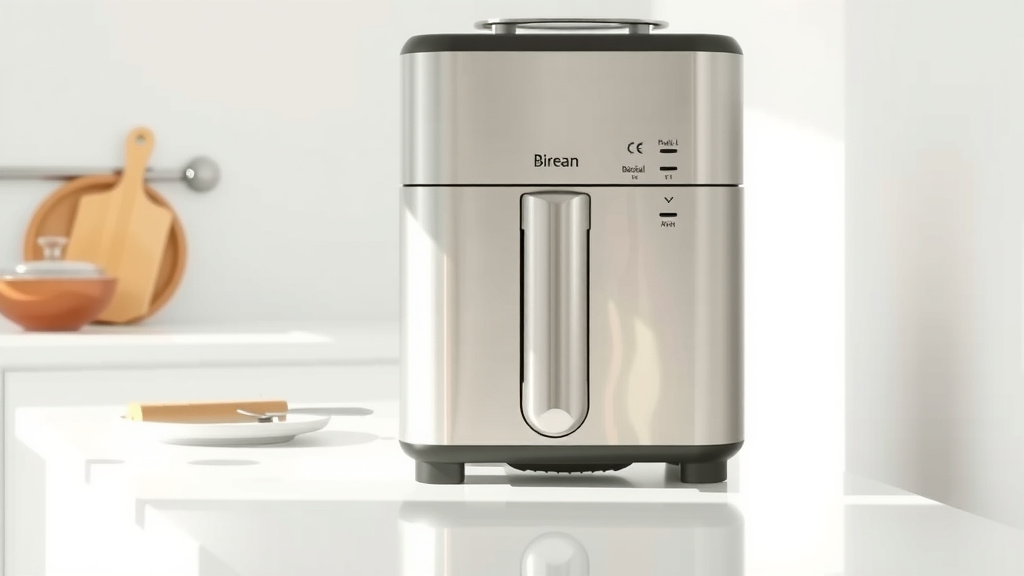
You can certainly place a bread maker near a wall, but it’s best to allow a buffer of at least 4-6 inches for proper ventilation and heat dissipation.
This space helps prevent the appliance from overheating and protects your walls from potential heat damage over time.
- Keep your bread maker at least 4-6 inches from any wall or cabinet.
- Good airflow is vital to prevent the machine from getting too hot during operation.
- Avoid placing your bread maker in enclosed spaces like small cabinets while it’s running.
- Always set it on a sturdy, level surface that can handle some vibration.
- Protect your wall materials from potential long-term heat exposure and discoloration.
Can You Put A Bread Maker Near A Wall?
Yes, you can put a bread maker near a wall, but it’s really important to give it enough breathing room. We found that most manufacturers suggest a minimum clearance.
This helps your appliance work safely and effectively, especially during those long baking cycles.
Why Distance Matters for Your Bread Maker
Think of your bread maker as a miniature oven. It generates a good deal of heat, particularly during the baking phase. This heat needs somewhere to go.
Without adequate space, heat can build up around the machine, which isn’t ideal for its lifespan or your surrounding surfaces.
Heat Generation: A Baking Byproduct
During the baking process, the internal elements of your bread maker get quite hot. This heat radiates outwards from the appliance. Just like any oven, it needs to dissipate this warmth.
Proper air circulation helps manage these temperatures, keeping your machine within safe operating limits.
Ventilation Needs for Optimal Performance
Every bread maker has vents, usually on the back or sides, sometimes even the top. These vents are crucial for letting hot air escape and drawing in cooler air.
If these vents are blocked by a wall, the internal temperature can climb, potentially leading to overheating or less efficient baking (General Appliance Safety Guidelines).
The “Sweet Spot” for Distance
So, what’s the magic number? Many experts recommend leaving about 4 to 6 inches of space between the bread maker and any adjacent wall or cabinet. This isn’t just a guess.
It’s based on research into appliance safety and optimal operation to ensure good airflow all around the unit.
Checking Your Bread Maker’s Manual
The best advice will always come from the manufacturer. Take a moment to check your specific bread maker’s instruction manual. It will often detail the recommended clearances.
This is your go-to guide for precise placement, ensuring you follow their safety guidelines.
Potential Risks of Too-Close Placement
Placing your bread maker too close to a wall might seem harmless, but it can lead to several problems. Nobody wants a damaged wall or a struggling appliance, right?
Understanding these risks helps you make an informed decision about where to set up your baking station.
Appliance Overheating: A Silent Threat
When hot air can’t escape, it stays trapped around the machine. This can cause the internal components to work harder and potentially overheat. Over time, this stress can shorten your bread maker’s life.
It’s like running a marathon in a sauna – not great for longevity!
Wall Damage: Discoloration and Degradation
Continuous heat exposure can damage your wall surfaces. Paint might peel or discolor, wallpaper could bubble, and even some tile grouts might degrade. This is especially true for prolonged baking cycles.
Many homeowners have found that heat can leave a lasting mark, subtly changing the appearance of your kitchen.
Fire Hazard (Though Rare)
While extremely rare, blocking vents and causing extreme overheating could, in the worst-case scenario, pose a fire risk. This is why manufacturers are so particular about clearances.
Prioritizing proper ventilation is a simple, effective step for kitchen safety and peace of mind (Consumer Product Safety Commission).
Best Practices for Bread Maker Placement
Choosing the right spot for your bread maker is more than just finding an empty space. It’s about creating an optimal environment for both baking and safety.
Let’s look at some smart placement strategies that go beyond just wall distance.
-
Ensure All-Around Clearance: Don’t just think about the back; sides and top need air too. Aim for 4-6 inches of open space on all sides.
-
Sturdy, Level Surface: The machine vibrates during kneading. A stable, flat surface prevents it from “walking” or toppling over.
-
Avoid Enclosed Spaces: Resist the urge to tuck it into a cupboard or under a low cabinet while it’s running. This traps heat and restricts airflow.
-
Away from Flammables: Keep paper towels, curtains, or other easily ignitable items far away from the bread maker.
-
Easy Access to Power: Make sure the cord isn’t stretched or tangled, and it has its own dedicated outlet if possible.
Surfaces and Materials to Consider
The surface beneath your bread maker and the wall material behind it play a role too. Different materials react differently to heat and vibration.
Thinking about these helps protect your kitchen investment and keeps everything looking great.
| Surface/Material | Considerations |
|---|---|
| Laminate Countertops | Can be susceptible to long-term heat discoloration. |
| Granite/Quartz Countertops | Very heat resistant, but still need air circulation for the appliance. |
| Wood Countertops | May warp or dry out with continuous heat exposure. |
| Painted Walls | Prone to discoloration or blistering over time from heat. |
| Wallpapered Walls | Can peel or bubble with sustained heat. |
| Tiled Backsplashes | Generally heat resistant, but grout could be affected. |
Noise and Vibration: Another Aspect to Consider
Ever noticed how loud a bread maker can get during the kneading cycle? It’s not just heat we’re managing; there’s a fair bit of mechanical action happening inside.
This can lead to some noise and vibration, which might impact your placement choice.
Minimizing the Rumble
Bread makers often “walk” a little on the counter, especially with denser doughs. A sturdy surface helps absorb some of this vibration. Placing it too close to a thin wall might amplify the noise.
Many experts suggest a solid, stable counter space, away from hollow cabinets or thin walls, can make a difference.
Common Bread Maker Misconceptions
There are a few common misunderstandings when it comes to bread maker placement. Let’s clear up some of these to help you bake confidently.
Sometimes, what seems like a clever space-saving idea can actually be counterproductive.
“It’s Just a Small Appliance”
While not a full-size oven, a bread maker works hard and generates significant heat. Treating it like a toaster, which doesn’t need much clearance, is a common mistake.
It’s vital to recognize its heating and ventilation requirements are more similar to a small slow cooker or a powerful microwave.
The Role of Room Temperature
The ambient temperature of your kitchen also plays a subtle role. If your kitchen is particularly warm, your bread maker might work a little harder to stay cool.
Conversely, a very cold kitchen could slightly affect dough rising, though this is less about placement and more about ingredients (Food Science Institute findings).
Conclusion
Ultimately, placing your bread maker near a wall is perfectly fine, as long as you provide enough space for air circulation. Remember that recommended 4-6 inch buffer.
Prioritizing ventilation not only safeguards your appliance but also protects your kitchen surfaces from heat damage. A little distance goes a long way in ensuring perfect loaves and a lasting machine. Happy baking!
FAQs
Is it okay to put my bread maker under kitchen cabinets?
It’s generally not recommended to operate a bread maker directly under kitchen cabinets. The heat and steam generated during the baking cycle can damage cabinet finishes and cause moisture buildup. Always pull it out onto an open countertop when in use.
How much space does a bread maker need around it?
Most manufacturers advise leaving at least 4 to 6 inches of clear space on all sides of your bread maker, including the back, sides, and above. This ensures proper airflow, which is essential for preventing overheating and efficient operation.
Can a bread maker cause a fire?
While extremely rare, any electrical appliance that generates heat carries a minimal fire risk if not used according to safety guidelines. Ensuring proper ventilation and not blocking the machine’s vents significantly reduces this already low risk. Always unplug when not in use.
Does the material of my countertop matter for bread maker placement?
Yes, to some extent. While all countertops can support a bread maker, some materials like laminate or wood may be more prone to heat discoloration or damage over long periods of direct, high heat exposure. Granite or quartz are generally more heat-resistant. A sturdy, level surface is key for vibration control.
My bread maker gets very hot; is this normal?
Yes, it’s normal for the exterior of your bread maker to get warm, and sometimes even hot, during the baking cycle, especially the lid and sides. This is a sign it’s doing its job. However, if it feels excessively hot or smells like burning plastic, unplug it immediately and consult your manual or the manufacturer.
