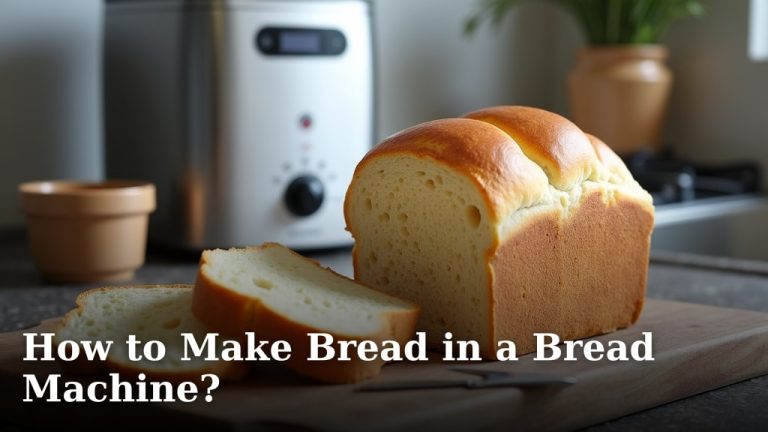
Why Does Bread Need Fat In The Recipe?
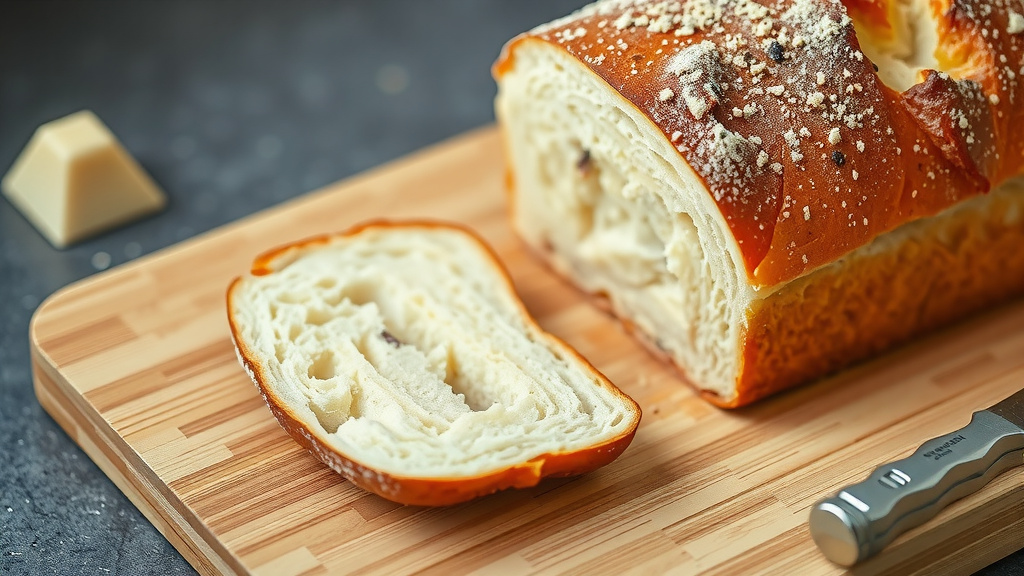
Bread needs fat in the recipe because it significantly improves the texture, moisture, and shelf life of your baked goods.
Adding fat helps to tenderize the crumb, adds richness, and slows down staling, making your bread more enjoyable.
- Fat makes bread softer and more tender.
- It adds moisture, keeping bread fresh longer.
- Fats contribute to a rich flavor and golden crust.
- It helps gluten develop properly for good structure.
Why Does Bread Need Fat In The Recipe?
Bread needs fat to create a softer crumb, extend freshness, and enrich its overall flavor profile. It’s a key ingredient for a truly delightful loaf.
Think of fat as a secret weapon in your baking arsenal. It works wonders behind the scenes to transform simple flour and water into something extraordinary.
The Science Behind Bread Fat
When you add fat to a bread recipe, you are introducing a component that interacts with the gluten network. Gluten forms the structure of your bread.
Fats act as a kind of lubricant. They coat the gluten strands, preventing them from forming overly tight bonds. This leads to a softer, more pliable dough.
Tenderizing the Crumb
Ever bitten into a dry, crumbly slice of bread? That’s often a sign of too little fat. Fats are superb at tenderizing the bread’s crumb.
We found that fats shorten the gluten strands, which makes the bread less chewy and more melt-in-your-mouth. It’s like magic for your texture goals (NIH).
Adding Essential Moisture
Fat also brings a lovely moisture to your bread. It helps keep the dough hydrated, which carries over into the baked loaf.
Many experts say that fats hold onto moisture, keeping your bread from drying out too quickly after baking. Nobody wants a stale sandwich!
Fat’s Role in Flavor and Aroma
Beyond texture, fat plays a big part in the taste and smell of your bread. It’s not just about feeling good; it’s about savoring every bite.
Imagine the rich aroma of fresh butter bread. That richness comes directly from the fat you added. Different fats will impart unique flavor notes.
Creating a Golden Crust
Do you love a beautiful, golden-brown crust on your bread? Fat helps achieve this wonderful color. It aids in the Maillard reaction, a browning process.
Research often connects fat content with improved crust development. It gives that appetizing look and slight crispness we all enjoy.
Extending Shelf Life Naturally
One of the most practical benefits of fat in bread is its ability to prolong freshness. This means less waste and more delicious enjoyment over time.
Fat acts as a barrier within the bread. It slows down the movement of moisture, which is a major factor in how quickly bread goes stale.
Preventing Staling
Staling isn’t just about drying out; it’s a complex process where starch molecules rearrange. Fats interfere with this process (Mayo Clinic).
By slowing down starch retrogradation, fat helps your bread stay soft and fresh for an extra day or two. This is a big win for any home baker.
Different Fats, Different Results
The type of fat you use will absolutely change your bread. Each fat brings its own special qualities to the final product.
From butter to olive oil, shortening to lard, each has a different melting point and flavor profile. Knowing these differences helps you bake better.
Butter vs. Oil in Bread Making
Let’s look at how two popular fats might impact your bread. You’ll see the distinct choices you can make for your recipes.
Butter offers a rich flavor, while oil can keep bread extra moist. Consider your desired outcome before choosing.
| Fat Type | Primary Benefit | Flavor Profile |
|---|---|---|
| Butter | Adds richness, softer crumb | Creamy, distinct buttery taste |
| Vegetable Oil | Very moist, longer shelf life | Neutral, allows other flavors to shine |
| Olive Oil | Moisture, subtle aroma | Fruity, slightly peppery |
Common Fats Used in Bread
Beyond butter and oil, you have other options. Shortening, for example, is excellent for a super soft texture and often used in enriched doughs.
Lard can also provide a unique tenderness and flavor, particularly in savory breads. Explore different fats to see what you like best.
When to Skip the Fat?
Are there times when you should leave fat out? Absolutely. Leaner breads like French baguettes or artisan sourdough typically use very little, if any, fat.
For these breads, the goal is a chewy crust and an open, airy interior. Fat would make them too soft, losing their signature characteristics.
Tips for Baking with Fat
Getting the most out of your fat addition is simple with a few smart moves. Remember these pointers when you’re mixing your next loaf.
These tips will help you achieve the perfect texture and flavor for your desired bread.
- Always measure fat accurately for consistent results.
- Ensure butter is softened for easier mixing if the recipe calls for it.
- Distribute fat evenly through the dough during kneading.
- Adjust fat content slightly based on flour type and hydration needs.
- Experiment with different fats to find your personal favorites.
Conclusion
Fat in bread is far from an optional extra; it’s a fundamental ingredient that impacts almost every aspect of your final loaf. It works hard to give you that soft, moist crumb, rich flavor, beautiful crust, and extended freshness.
Understanding the role of fat helps you bake with confidence and achieve truly delicious results every time. So go ahead, embrace the fat, and enjoy the difference it makes in your homemade bread.
How does fat affect bread crust?
Fat contributes to a softer, more golden-brown crust. It helps with the browning reactions and prevents the crust from becoming overly tough or dry.
Can I substitute different fats in a bread recipe?
You can often substitute fats, but it will change the flavor and texture. For example, replacing butter with oil might make bread moister but less rich in taste.
Does fat impact gluten development in bread?
Yes, fat coats the gluten strands, which can limit their full development. This leads to a more tender and less chewy bread, which is often desirable in enriched doughs.
Why do some bread recipes use no fat at all?
Leaner breads, like baguettes, intentionally omit fat to promote a very chewy crust and an open, airy internal structure. Fat would soften these desired characteristics.
Is solid fat better than liquid fat for bread?
Neither is inherently “better.” Solid fats (like butter) contribute richness and a specific mouthfeel, while liquid fats (like oil) provide excellent moisture and a softer crumb. Your choice depends on the desired bread type.