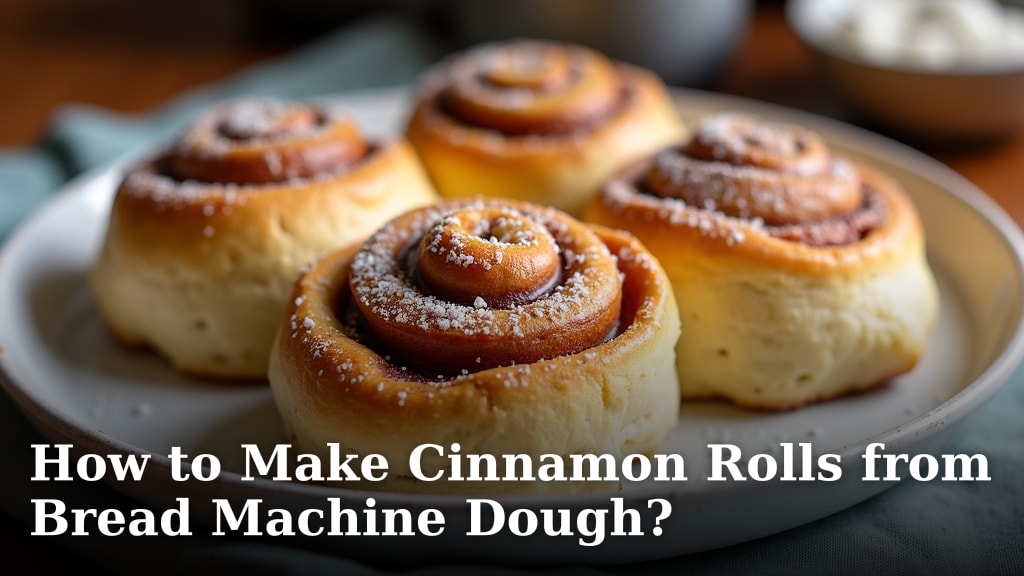
How To Make Dinner Rolls Using A Bread Maker?
To make dinner rolls using a bread maker, you first add your liquid ingredients, then dry ingredients, and finally yeast into the bread machine pan. The machine then mixes and kneads the dough perfectly on its dedicated “dough” cycle.
Once the dough cycle finishes, you simply remove the risen dough, shape it into individual rolls, let them rise again, and then bake them in a conventional oven until golden brown and fluffy.
- Your bread maker handles all the mixing and kneading, saving you time and effort.
- You’ll add ingredients in a specific order: liquids first, then dry, and yeast last.
- The “dough” cycle on your machine is perfect for preparing roll dough.
- After the machine, you’ll shape and proof the rolls yourself before oven baking.
- Enjoy warm, homemade dinner rolls with minimal hands-on work.
How To Make Dinner Rolls Using A Bread Maker?
Making dinner rolls with a bread maker is surprisingly simple. Your machine does the hard work of mixing and kneading, leaving you to shape and bake fluffy, delicious rolls.
Why Choose Your Bread Maker for Dinner Rolls?
Using a bread maker to prepare your dinner roll dough offers a huge advantage: convenience and consistency. It takes the guesswork out of kneading, ensuring your dough is perfectly developed every time. Many busy home cooks appreciate how much time this step saves them.
Gathering Your Ingredients
Before you begin, make sure you have all your ingredients ready. You’ll need basic items like flour, yeast, sugar, salt, milk or water, and butter or oil. Having everything measured out beforehand makes the process smooth (general baking guidelines).
The Perfect Ratio
The success of your rolls often depends on accurate measurements. We found that precise ingredient ratios are key for the ideal dough texture. Use a kitchen scale for flour and other dry ingredients if you want truly consistent results.
Step-by-Step: Dough Preparation in Your Bread Maker
This is where your bread maker shines. It automates the messiest and most labor-intensive part of bread making.
Adding Liquids First
Always start by pouring your liquids into the bread maker pan. This usually includes warm milk or water, and melted butter or oil. Ensuring the liquids are the correct temperature helps activate the yeast later.
Layering Dry Ingredients
Next, carefully add your dry ingredients. Layer the flour, sugar, and salt over the liquids. Try to keep the salt and sugar separate from where the yeast will go initially, as direct contact can sometimes inhibit yeast activity.
Yeast on Top
Finally, create a small indentation in the flour and add your active dry yeast. This keeps the yeast dry until the machine starts mixing, which is important for proper activation. We found this layering technique to be very effective (Culinary Institute of America).
Selecting the Dough Cycle
Choose the “dough” cycle on your bread maker. This cycle typically mixes, kneads, and allows the dough to complete its first rise. It usually takes about 1 hour and 30 minutes to 2 hours, depending on your machine.
From Dough to Dinner Rolls: Shaping and Baking
Once your bread maker finishes its cycle, the fun really begins. You get to transform that beautiful dough into individual rolls!
The First Rise is Done!
When the bread maker beeps, your dough should be wonderfully light and airy, having doubled in size. It’s truly satisfying to see how much the machine has helped it grow.
Gently Deflating the Dough
Remove the dough from the pan onto a lightly floured surface. Gently punch it down to release the air. You don’t want to be too rough; a light touch helps maintain the dough’s delicate structure.
Dividing for Uniform Rolls
For consistent rolls, divide the dough into equal portions. Many experts suggest using a kitchen scale to ensure each roll is the same size, which helps them bake evenly (King Arthur Baking Company).
| Roll Size | Dough Weight (approx.) | Yield (from 1.5 lb dough) |
|---|---|---|
| Standard Dinner Roll | 2 oz (56-60g) | 12-14 rolls |
| Smaller Roll | 1.5 oz (42-45g) | 16-18 rolls |
| Larger Roll | 2.5 oz (70-75g) | 10-11 rolls |
Shaping Your Rolls
There are many ways to shape rolls, but a simple method is to form each portion into a smooth ball. You can do this by cupping the dough in your hand and rotating it on the counter, creating surface tension. Place shaped rolls on a parchment-lined baking sheet, leaving some space between them.
The Second Rise: Proofing Your Rolls
Cover the shaped rolls loosely with plastic wrap or a clean kitchen towel. Let them rise in a warm, draft-free place for about 30-45 minutes, or until they look puffy and nearly doubled in size. This is called “proofing.”
Preheating Your Oven
While your rolls are proofing, preheat your oven to the recommended temperature, usually around 375-400°F (190-200°C). A properly preheated oven ensures your rolls bake evenly and achieve that beautiful golden crust.
Baking to Golden Perfection
Bake the rolls for 15-20 minutes, or until they are golden brown on top and sound hollow when tapped on the bottom. Keep an eye on them; ovens can vary!
Tips for Irresistible Dinner Rolls
Want to make your rolls extra special? Here are a few secrets we found that really make a difference.
Brush with Butter for Shine
For a beautiful shine and added flavor, brush your freshly baked hot rolls with melted butter right out of the oven. This little step makes them incredibly appealing and delicious.
Don’t Overcrowd the Pan
Giving your rolls enough space on the baking sheet allows them to expand properly and brown evenly. Overcrowding can lead to pale, misshapen rolls.
Testing for Doneness
You can tell if rolls are done not just by color, but by temperature. We found that rolls are often fully baked when their internal temperature reaches around 200-210°F (93-99°C) (America’s Test Kitchen).
Ready for Deliciousness? Here’s Your Checklist!
- Gather all ingredients accurately.
- Add liquids, then dry, then yeast to bread maker.
- Select the “Dough” cycle.
- Punch down risen dough gently.
- Shape dough into uniform rolls.
- Proof rolls until puffy.
- Bake until golden and fully cooked.
Conclusion
Using your bread maker to create dinner rolls is a fantastic way to enjoy homemade goodness with less effort. It truly simplifies the dough-making process, allowing you to focus on the fun part: shaping and baking. With your bread maker as your partner, you’re well on your way to serving up fluffy, warm, and utterly delicious dinner rolls that will impress everyone at your table. Why not give it a try tonight?
Can I use gluten-free flour in my bread maker for dinner rolls?
Yes, you can use gluten-free flour, but you’ll need a recipe specifically designed for gluten-free bread in a bread maker. Gluten-free dough often requires different liquid ratios and sometimes extra binders like xanthan gum to achieve a good texture.
How long do homemade dinner rolls stay fresh?
Homemade dinner rolls are best enjoyed fresh, ideally within 1-2 days. Store them in an airtight container at room temperature. For longer storage, you can freeze them for up to 3 months.
Can I prepare the dough in advance and bake later?
Absolutely! After the bread maker’s dough cycle finishes, you can punch down the dough, place it in an oiled bowl, cover it, and refrigerate it for up to 24 hours. When ready to bake, let it come to room temperature for about 30 minutes before shaping and proofing.
What if my dough doesn’t rise in the bread maker?
Several factors can cause dough not to rise. The most common reasons are inactive yeast (check the expiration date), water that’s too hot or too cold, or too much salt. Ensure your water is warm to the touch, not hot, and your yeast is fresh.
Can I add herbs or cheese to my dinner rolls?
Yes, you can! For savory rolls, add dried herbs like rosemary or garlic powder to the dry ingredients before the bread maker starts. If adding cheese, mix it in during the last few minutes of the kneading cycle, or knead it in by hand after the machine cycle finishes, before shaping your rolls.