How to Make Beer Cheese Bread in a Bread Machine
This beer cheese bread machine recipe uses flat beer in place of some water, sharp cheese added late, and a standard yeast dough cycle for a savory loaf. Balance is the key, so the beer adds flavor and lift without making the dough slack or bitter.
On this page (10 sections)
- What is the best beer cheese bread machine recipe to start with?
- How much beer should you use in bread machine dough?
- How much cheese should you add, and when?
- Which bread machine cycle and settings work best?
- How do you keep beer cheese bread from turning out dense?
- How should you store and serve beer cheese bread?
- Can you make beer cheese bread machine recipe variations without mistakes?
- Which products help you repeat this loaf well?
- What should you check before your first bake?
- Final tips for this beer cheese bread machine recipe
This beer cheese bread machine recipe uses flat beer in place of some water, sharp cheese added late, and a standard yeast dough cycle for a savory loaf. Balance is the key, so the beer adds flavor and lift without making the dough slack or bitter.
You will get a tender crumb and clear cheese flavor if you keep additions measured and liquid warm, not hot. Read the full method first, because order matters more than the brand of beer.
What is the best beer cheese bread machine recipe to start with?
The best starting recipe is 12 oz flat beer, 3 cups bread flour, 1 tablespoon sugar, 1 teaspoon salt, 2 tablespoons butter, 1 1/2 teaspoons active dry yeast, and 1 cup shredded sharp cheddar added near the end. That ratio keeps the loaf savory without overwhelming the yeast.
Let the beer sit open for 20 minutes to release carbonation. Too much foam can make the dough rise unevenly.
Use room temperature beer, about 65 to 70 degrees. Hot liquid can weaken yeast, and cold liquid can slow the first rise.
Add ingredients in the order your manual requires. Most machines take liquid first, then flour and dry items, with yeast last in a small well.
Set the loaf size to match your pan, usually 1 1/2 lb or 2 lb for this amount of flour. Choose a medium crust for slices that toast well.
How much beer should you use in bread machine dough?
Use about 1 cup to 1 1/4 cups of flat beer for 3 cups of flour. That replaces most of the water while leaving room for butter and cheese.
Beer is mostly water, so the dough still needs the same total liquid as a plain loaf. If you also add butter and cheese, reduce the beer by about 2 tablespoons.
A lighter lager gives a mild, bready flavor. A porter or stout gives deeper color and stronger malt taste, so use a little less and add 1 tablespoon of water.
Hoppy beers can taste bitter after baking. Pick a malt forward ale or lager when you want cheese to stay in front.
Our separate guide to how to make beer bread in a bread maker covers plain beer bread without cheese.
How much cheese should you add, and when?
Add about 1 cup of shredded sharp cheddar for a 1 1/2 to 2 lb loaf. More than that can make the loaf dense and greasy.
Shred your own cheese from a block when you can. Pre shredded cheese has coatings that slow melting and can cause uneven distribution.
Add cheese after the first knead, or use a dispenser if your machine has one. Early addition blends cheese through, while late addition keeps distinct streaks.
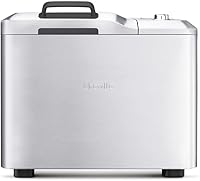
The Breville BBM800XL Custom Loaf Bread Maker Machine has an automatic fruit and nut dispenser that adds mix ins at the correct time. That feature helps drop shreds after the main dough has formed.
Keep cheese cold until you add it. Warm cheese will smear during kneading and make the dough sticky.
Can you use other cheeses in this recipe?
Yes, and sharp cheddar, Gruyere, smoked Gouda, and pepper jack all work well. Each changes the salt level, so taste a small piece before adding the full amount.
Parmesan adds salt and depth but can dry the crumb if used alone. Mix it with cheddar instead.
Fresh mozzarella holds a lot of water and can make the loaf gummy. Skip it unless you drain it well and use a small amount.
Our guide on how to make cheese bread in a bread maker shows cheese only loaves without beer.
Which bread machine cycle and settings work best?
Use the basic or white bread cycle with a medium crust. For a plain Cuisinart loaf, see the Cuisinart white bread recipe.
That cycle gives enough kneading and rise time for a yeast dough with cheese added late.
If your machine has a custom setting, save the time and crust you like after your first loaf. Custom settings help when you repeat the same recipe.
The Breville Custom Loaf has nine custom settings and more than 13 automatic programs. It also offers three crust color options, so test medium first and adjust on the next bake.
Select a loaf size that matches the flour amount. An oversized loaf in a small pan can rise unevenly and bake pale on the sides.
Use the collapsible paddle for bread and dough settings. The collapsible kneading paddle folds away before baking to help prevent a hole in the base.
The fixed paddle is for jam only, so do not use it for this dough.
What if your machine has no custom setting?
Use the standard cycle and add cheese at the beep or at the start of the last knead. If there is no beep, open the lid at the time your manual notes for mix ins.
Do not open the lid during the bake stage. Temperature drops can cause the top to fall.
Note the time you added cheese on your first try. That note makes the next loaf more consistent.
Start with our best bread maker for sandwich bread guide if you plan to slice most loaves.
How do you keep beer cheese bread from turning out dense?
Density usually comes from too little liquid, too much cheese, or yeast added to hot liquid. Fix one variable at a time.
Measure flour by spooning it into the cup and leveling it. Scooping directly from the bag can pack in extra flour.
Check the dough during the first knead. It should form a soft, smooth ball that is tacky but not sticky to the sides.
If the ball is dry and climbs the sides, add flat beer 1 tablespoon at a time. If it is slack and sticks, add flour 1 tablespoon at a time.
Let the dough do its full rise. Cutting the cycle short can leave the center under baked.
Cool the loaf in the pan for 5 minutes, then turn it out and cool on a rack for at least 30 minutes.
How should you store and serve beer cheese bread?
Store the cooled loaf in a bread box or airtight bag at room temperature for 2 days. Slice only what you need.
For longer storage, slice the loaf, wrap it well, and freeze it for up to 1 month. Toast slices straight from the freezer.
Toasted slices work well for soup, grilled formats, and open face sandwiches. The malt flavor stands up to mustard, deli meats, and pickled vegetables.
Serve warm slices with mustard, a cheese sauce, or tomato soup. The warm crumb highlights the cheese without extra toppings.
If the loaf dries on day two, toast it or use it for bread pudding. Avoid refrigerating it, because cold storage speeds staling.
For a plain butter loaf to serve alongside, see our bread machine butter bread recipe.
Can you make beer cheese bread machine recipe variations without mistakes?
Yes, and change one add in at a time so the dough stays balanced. Good options include mustard powder, smoked paprika, garlic powder, and chopped cooked bacon.
Add 1 teaspoon of dry mustard powder with the flour for a sharper cheese taste. It boosts flavor without adding liquid.
Add 1/2 teaspoon of smoked paprika for depth. Use less with a dark beer, because malt already adds color.
Add chopped cooked bacon only with the cheese, not at the start. Raw bacon can release fat during kneading.
For a spicy loaf, add finely chopped jalapeno with the cheese and reduce extra salt. Seed peppers if you want mild heat.
For a sweeter loaf, add 1 tablespoon of honey and reduce the sugar. Hold back a little beer to keep total liquid the same.
Try a bread machine hawaiian bread on another day when you want a sweet, soft loaf.
Which products help you repeat this loaf well?
A machine with custom settings and a mix in dispenser helps most with a repeat recipe. Those features reduce guesswork on crust, timing, and when cheese is added.
The Breville BBM800XL Custom Loaf Bread Maker Machine is a 2.5 lb capacity machine in brushed stainless steel. It has 830 watts and 120 volts, and it offers 1 to 2 1/2 lb loaf sizes.
Its smart LCD display lets you monitor progress on automatic or manual settings. That display helps you learn when dough forms a ball and when cheese should go in.
It includes power interruption protection with 60 minutes of backup power. That matters if a short outage hits during rise or bake.
What should you check before your first bake?
Check beer flatness, cheese amount, yeast freshness, and pan size before you press start. Those four items cause most first loaf problems.
Confirm yeast is in date and smells mild, not sour. Old yeast can lead to a short rise.
Confirm the pan and paddle are clean and dry. Butter and cheese residue can affect rise and make the loaf stick.
Confirm the machine is on a stable, heat safe surface with air space around it. Bread machines need room for heat.
Write down the cycle, crust setting, and cheese timing after the bake. That note turns a first try into a repeatable recipe.
For a shaped loaf with a different crumb, look at our bread machine panini bread recipe.
Final tips for this beer cheese bread machine recipe
Pick sharp cheddar, flat lager, and a medium crust for your first loaf. That mix gives clear flavor without bitterness or a dense crumb.
Start with 1 cup of cheese, add it late, and let the loaf cool fully before slicing. Those three choices protect texture more than any special ingredient.
Save your settings, then change only one thing on the next bake. A small change in beer type or cheese amount will teach you more than a full recipe swap.