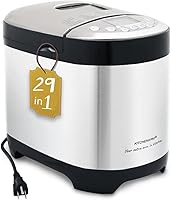
How to Make Butter Bread in a Bread Machine
A bread machine butter bread recipe needs bread flour, yeast, milk, butter, sugar, salt, and an egg. Add them in your machine’s recommended order, then use its basic white bread cycle and a medium crust setting.
On this page (10 sections)
- What ingredients go into bread machine butter bread?
- How do you make butter bread in a bread machine?
- What should the dough look like during kneading?
- Which cycle and crust setting should you choose?
- Why might butter bread fail to rise?
- How should you cool and store the loaf?
- Can a bread maker make butter too?
- What if you don’t have softened butter?
- How can you adjust the recipe next time?
- Which bread machine butter bread recipe should you use?
A bread machine butter bread recipe makes a soft, rich loaf with a tender crumb from bread flour, milk, butter, sugar, salt, and yeast. Add the ingredients in the order your machine recommends, choose a basic white bread cycle, and start with a medium crust setting.
This recipe makes one medium loaf. Check the dough during the first knead and adjust with small amounts of flour or milk if needed.
What ingredients go into bread machine butter bread?
For a buttery sandwich loaf, use 3 cups bread flour, ¾ cup milk, ¼ cup water, 1 large egg, ¼ cup softened butter, 2 tablespoons sugar, 1¼ teaspoons salt, and 2¼ teaspoons bread machine or instant yeast. These quantities suit a typical 1½-pound loaf, but check your machine’s capacity before starting.
Use milk at room temperature or slightly warm, not hot. Cut the butter into small pieces so it blends into the dough more easily.
Bread flour gives the loaf structure, while milk, egg, butter, and sugar make it tender and rich. For help choosing a flour, see what is the best flour for a bread machine.
The Breville BBM800XL has 13 automatic programs and nine custom settings, including the option to save personal recipes. See the Breville BBM800XL bread maker review for more on its settings.
How do you make butter bread in a bread machine?
Add the ingredients in your machine’s recommended order, select a basic white bread cycle, and let the machine knead, rise, and bake the loaf. A bread machine with a collapsible paddle can leave more room for the loaf to expand.
If your machine requires wet ingredients first, add the milk, water, egg, and butter before the dry ingredients, then place yeast in its dispenser or a well in the flour.
- Measure the milk and water into the pan.
- Add the egg and softened butter.
- Spoon in the flour, covering the liquids.
- Add sugar and salt in separate spots.
- Add yeast last, keeping it away from the salt.
- Select the basic white bread cycle and a medium crust.
- Check the dough during the first knead and adjust if needed.
Some machines call this cycle “Basic,” “White,” or “Regular.” Choose the closest white loaf cycle and a loaf size that fits the recipe.
For a machine review, see the Zojirushi Virtuoso Plus review.
For a wider overview of ingredient order and cycle choices, read how to make bread in a bread machine.
What should the dough look like during kneading?
The dough should become a soft, smooth ball that pulls away from most of the sides of the pan. It may touch the pan briefly as it kneads, but it shouldn’t look like loose batter or leave dry flour in the corners.
Check after about 5 to 10 minutes of kneading, if your machine’s cycle allows you to open the lid safely. If the dough looks wet and spreads across the bottom, add flour 1 tablespoon at a time.
If it looks dry, cracked, or unable to gather into a ball, add milk or water 1 teaspoon at a time. Give each addition a minute to mix before deciding whether to add more.
Flour absorbs moisture differently by brand and storage conditions. Small adjustments are more reliable than changing the recipe by a large amount at the start.
Which cycle and crust setting should you choose?
Choose the basic white bread cycle and a medium crust for a balanced first loaf. To compare customizable programs, read the KitchenArm bread machine review.
Use the regular or 1½-pound setting if your machine offers loaf sizes and the pan can hold this amount.
A light crust can keep the outside softer, while a dark setting makes a firmer, more browned crust. Use your machine’s manual if its cycle names or loaf settings differ.
If you want a loaf suited to sandwiches, see our guide to the best bread maker for sandwich bread. For a different soft loaf variation, try this bread machine buttermilk bread recipe.
Why might butter bread fail to rise?
Butter bread may rise poorly if the yeast is old, the liquid is too hot, or the dough is too dry. Salt touching the yeast directly can also slow it down, so keep the ingredients separated until mixing begins.
Check the yeast’s expiration date and follow its storage directions. If your kitchen is cold, the dough may rise more slowly; avoid changing the cycle unless your machine offers a setting for enriched dough.
Too much flour is a common cause of a short, dense loaf. Measure carefully and use the dough check to guide small corrections.
How should you cool and store the loaf?
Remove the loaf from the pan when the cycle ends and let it cool on a rack before slicing. Cutting while it is hot can compress the crumb and make slices gummy.
Once cool, store the loaf in a sealed bag or container at room temperature for a few days. Freeze extra slices in a sealed freezer bag, then thaw or toast them as needed.
Butter bread is also a useful base for toasted sandwiches. For a crisp, griddled variation, see the bread machine panini bread recipe.
Can a bread maker make butter too?
A bread maker may have a dough or jam setting, but those settings don’t necessarily churn cream into butter. Check your machine’s manual before trying to make butter in it, and see can you make butter in a bread maker for the distinction.
For this loaf, softened butter is an ingredient mixed into the dough. It does not need to be churned or melted first.
What if you don’t have softened butter?
Cut cold butter into small pieces and let it sit briefly while you measure the other ingredients. Avoid heating it until hot, since hot butter can warm the dough and interfere with yeast.
If the butter is only partly softened, the machine can usually work it into the dough during kneading. Check that no large pieces remain after the first few minutes.
How can you adjust the recipe next time?
Change one ingredient or setting at a time so you can tell what improved the loaf. For a seasonal variation without dairy, try dairy-free fall bread recipe.
If it is too rich, reduce the butter by 1 tablespoon; if it is too sweet, reduce the sugar slightly.
For a softer crust, choose a lighter setting or remove the loaf promptly when the cycle ends. For a sturdier slice, let the loaf cool fully before cutting and store it sealed.
Which bread machine butter bread recipe should you use?
Use this recipe when you want a tender, buttery loaf for toast or sandwiches: start with the stated amounts, the basic white cycle, and a medium crust, then adjust only after checking the dough. If you want a tangier variation, make the bread machine buttermilk bread recipe.
Frequently asked questions
Can I use salted butter in bread machine butter bread?
Yes, salted butter works, but lower the added salt slightly if you want to keep the loaf from tasting too salty. Butter brands vary in salt, so changing the salt by about ¼ teaspoon is a reasonable starting point.
Keep the yeast and liquid amounts the same.
Can I use oil instead of butter in this bread machine recipe?
Oil can replace melted butter, but the loaf will have a different flavor and crumb. Use the same amount by volume and check the dough during kneading; oil is liquid at room temperature, so the dough may feel softer than it does with cool butter.
Why is my bread machine butter bread dense?
Dense bread can come from old yeast, too much flour, a cool room, or a dough that is too dry. Check the yeast date and measure flour by weight if possible.
During the first knead, the dough should form a soft ball that clears most of the pan.
Can I use this recipe for a delayed timer?
Use a delayed timer only if your machine’s manual allows eggs and milk to sit in the pan before baking. Perishable ingredients should not remain at room temperature for a long delay.
For timer baking, choose a recipe designed for that use or substitute ingredients as the manual directs.