9 Best Coarse Whole Wheat Flour (November 2026)
The best coarse whole wheat flour include the Palouse Brand Certified Glyphosate Residue Free Bread for rustic whole wheat bread, the Sunrise Flour Mill Heritage Organic Whole Wheat for lighter heritage wheat loaves, and the Sunrise Flour Mill Organic Heritage Whole Wheat for small heritage flour batches.
On this page (14 sections)
- Which coarse whole wheat flour is best for rustic bread?
- Palouse Brand Certified Glyphosate Residue Free Bread: Best for rustic whole wheat bread
- Sunrise Flour Mill Heritage Organic Whole Wheat: Best for lighter heritage wheat loaves
- Sunrise Flour Mill Organic Heritage Whole Wheat: Best for small heritage flour batches
- One Degree Organics Sprouted Whole Wheat Flour: Best for sprouted whole wheat recipes
- King Arthur Premium Semolina Flour: Best for a clearly coarse texture
- TAJ Signature Sharbati Atta: Best for soft Indian flatbreads
- 365 by Whole Foods Market: Best for a large organic pantry supply
- Great River Milling Organic Whole Wheat Flour: Best for high-protein rustic baking
- Wheat Montana Prairie Gold: Best for mild hard white wheat flavor
- How do you choose coarse whole wheat flour for bread?
- How should you use coarse whole wheat flour in dough?
- How should you store whole wheat flour?
- Verdict: which coarse whole wheat flour should you buy?
The best coarse whole wheat flour for most rustic bread bakers is Palouse Brand Certified Glyphosate Residue Free Bread. It is a whole wheat bread flour made from red spring wheat, while King Arthur is the strongest match when you specifically want a coarse-ground texture.
That short answer hides an important distinction. A flour can be whole wheat without being coarse, and a flour can be coarse without being whole wheat.
Palouse Brand suits bakers who mainly want whole wheat grain in a rustic loaf. King Arthur suits bakers who mainly want a visible coarse particle in the dough.
Texture matters before package size or price. It changes how a dough feels, how water is absorbed, and how the finished crumb looks when sliced.
The right pick depends on the bread you bake most often. A flour made for tall sourdough loaves may not suit soft rotis, and semolina made for pasta may not replace whole wheat flour in a sandwich loaf.
For a wider look at flour choices, start with our guide to bread flour. If you're comparing nutrition and milling terms, read which whole wheat flour is healthiest before you choose.
Use those guides to narrow the field, then return to texture and wheat type. Look for clear statements about grind and intended use, as they are more useful than general claims about quality.
If you bake weekly, a five pound bag can be practical once you know the flour suits you. If you bake monthly, a smaller bag lets you test flavor and water needs with less waste.
Our picks at a glance
-
1
 Best for rustic whole wheat bread
Palouse Brand Certified Glyphosate Residue Free Bread
9.7/10 our score
See it on Amazon -
2
 Best for lighter heritage wheat loaves
Sunrise Flour Mill Heritage Organic Whole Wheat
9.7/10 our score
See it on Amazon -
3
Best for small heritage flour batches
Sunrise Flour Mill Organic Heritage Whole Wheat
9.6/10 our score
See it on Amazon
- 4
 Check it
One Degree Organics Sprouted Whole Wheat Flour
Best for sprouted whole wheat recipes - 5
 Check it
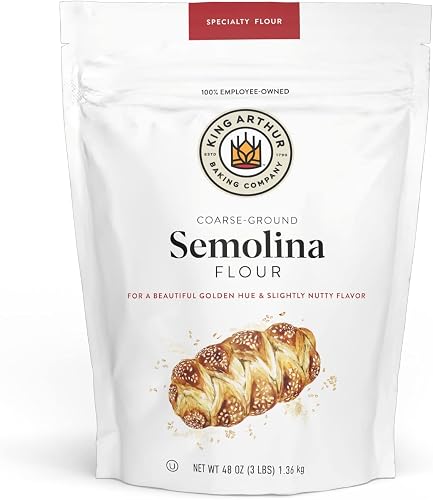
King Arthur Premium Semolina Flour
Best for a clearly coarse texture - 6
 Best for soft Indian flatbreadsCheck it
- 7
 Best for a large organic pantry supplyCheck it
- 8
 Check it
Great River Milling Organic Whole Wheat Flour
Best for high-protein rustic baking - 9
 Check it
Wheat Montana Prairie Gold 100% Whole Wheat
Best for mild hard white wheat flavor
Which coarse whole wheat flour is best for rustic bread?
Palouse Brand is the best overall fit for rustic whole wheat bread, while King Arthur offers the most clearly stated coarse texture. The right choice depends on whether you want whole wheat grain, coarse durum, or a flour designed for a specific flatbread.
Those three goals lead to different bags. Whole wheat grain gives a darker color and fuller wheat flavor, coarse durum gives the clearest grainy particle, and a flatbread flour is built around rolling and softness.
Our score weighs the stated specs, features and buyer fit against what you're shopping for. We compared grind descriptions, wheat types, package sizes and the baking uses tied to each flour.
Grind is the first filter in this roundup. Only one pick is described as coarse ground in plain terms, while others use stone ground, ultra fine, or no measured particle size at all.
Wheat type is the second filter. Red spring wheat, red hard wheat, dark northern spring wheat, hard white spring wheat, and Sharbati wheat do not all behave or taste the same in dough.
Package size is the third filter. A two pound bag suits testing and small kitchens, while a five pound or ten pound supply suits frequent bakers who have dry storage space.
Intended baking use is the fourth filter. Sourdough and sandwich bread need structure, flatbread needs easy rolling, and pasta or pizza dough needs elasticity.
Keep those filters in mind as you read each pick. They help explain why a flour can be excellent for one recipe and still be the wrong texture for another.
| Product | Best for | Size | Wheat | Texture | Our score |
|---|---|---|---|---|---|
| Palouse Brand Certified Glyphosate Residue Free Bread | rustic whole wheat bread | 3 lb, 48 oz | Red spring wheat | Whole wheat bread flour | 9.7 |
| Sunrise Flour Mill Heritage Organic Whole Wheat | lighter heritage wheat loaves | 5 lb, 80 oz | Red hard heritage wheat | Ultra-fine grind | 9.7 |
| Sunrise Flour Mill Organic Heritage Whole Wheat | small heritage flour batches | 2 lb, 40 oz | Heritage wheat | Ultra-fine grind | 9.6 |
| One Degree Organics Sprouted Whole Wheat Flour | sprouted whole wheat recipes | 5 lb, 80 oz | Sprouted whole wheat | 9.5 | |
| King Arthur Premium Semolina Flour | a clearly coarse texture | 3 lb, 48 oz | Durum wheat | Coarse ground | 9.4 |
| TAJ Signature Sharbati Atta | soft Indian flatbreads | 4 lb, 64 oz | Sharbati wheat | Chakki stone ground | 9.2 |
| 365 by Whole Foods Market | a large organic pantry supply | 10 lb total, 160 oz | Dark northern spring wheat | 9.0 | |
| Great River Milling Organic Whole Wheat Flour | high-protein rustic baking | 5 lb, 80 oz | 8.7 | ||
| Wheat Montana Prairie Gold 100% Whole Wheat | mild hard white wheat flavor | 5 pounds, 160 oz | Hard white spring wheat | 8.5 |
Palouse Brand Certified Glyphosate Residue Free Bread: Best for rustic whole wheat bread
Palouse Brand Certified Glyphosate Residue Free Bread: Best for rustic whole wheat bread
- 3 lb bag
- Whole wheat unbleached flour
- Red spring wheat
- Resealable bag
Palouse Brand suits bakers who want whole wheat bread flour with a hearty grain profile for rustic bread and sourdough. Its resealable 3 lb bag fits regular home baking without the bulk of a larger pantry supply.
Pros
- Whole wheat flour with no additives or preservatives
- Resealable bag
- Farm-grown and milled
Cons
- Coarse grind is not stated as a measured size
- Whole wheat flour may need liquid adjustments
Palouse Brand is the strongest all-around choice for rustic whole wheat bread because it is whole wheat bread flour milled from red spring wheat. The 3 lb resealable bag gives regular home bakers a manageable supply without requiring a large storage container.
The flour is unbleached and contains no additives or preservatives. Palouse Brand also describes the wheat berries as triple cleaned and grown on its Washington family farm.
Its texture is not given as a measured coarse grind, so choose it for its whole wheat character rather than assuming it has a specific particle size. Whole wheat flour can be denser in dough and may need liquid adjustments in a recipe.
This pick suits sourdough, artisan bread and sandwich bread. For a different whole-grain flavor, compare organic rye flour.
Use it when you want a rustic wheat profile and can adjust hydration as the dough comes together.
Sunrise Flour Mill Heritage Organic Whole Wheat: Best for lighter heritage wheat loaves
Sunrise Flour Mill Heritage Organic Whole Wheat: Best for lighter heritage wheat loaves
- 5 lb bag
- Organic heritage wheat
- Milled from red hard wheat
- Ultra-fine flour
This is the better fit when you want whole wheat flavor but a fine texture and lighter baked goods. Its 5 lb size works well for frequent bread baking.
Pros
- Certified organic
- Ultra-fine grind
- No bleaching
Cons
- Not a coarse flour
- Larger bag than the 2 lb version
Sunrise Flour Mill's 5 lb heritage flour is better for bakers who want a fine, smooth whole wheat texture. It is milled from red hard wheat and described as ultra-fine, so it is the opposite of coarse.
That fine grind lets whole wheat flavor blend into dough without rough particles that can make a crumb feel heavy. Choose it for sandwich loaves and softer rolls where you want flavor without a rough mouthfeel.
The flour is certified organic with no bleaching. Sunrise describes its heritage wheat as pre-hybridized and its milling method as single pass, aiming for a lighter flour and loftier baked goods.
Start with the recipe liquid level and watch the dough during mixing. Whole wheat flour can still absorb water differently from white flour, even when the grind is fine.
The 5 lb size works for frequent bakers, while the 2 lb option is easier to store if you bake less often. Store the opened bag sealed in a cool, dry place.
Sunrise Flour Mill Organic Heritage Whole Wheat: Best for small heritage flour batches
Sunrise Flour Mill Organic Heritage Whole Wheat: Best for small heritage flour batches
- 2 lb bag
- Organic heritage wheat
- Ultra-fine flour
- No bleaching or bromating
Choose this smaller Sunrise bag when you want to try heritage whole wheat flour without storing 5 lb. The ultra-fine grind favors smooth dough rather than a visibly coarse crumb.
Pros
- Small 2 lb size
- Certified organic
- Zero additives
Cons
- Not a coarse flour
- Less suitable for high-volume baking
This 2 lb Sunrise bag suits a baker who wants to try organic heritage whole wheat without committing to a larger supply. It has the same ultra-fine style as the larger Sunrise option, with no bleaching or bromating and zero additives.
The smaller amount is a practical starting point. You can test the flavor, digestibility claims in your own recipes, and water absorption before buying five pounds.
It is not a coarse flour, but that is useful when you are making dough for a smooth crumb or lighter loaf. The smaller size also helps limit how much flour you need to store after opening.
For set up, treat it like other fine whole wheat flours. Mix it evenly, give the dough time to hydrate, and adjust liquid in small steps if it feels stiff.
The smaller size also helps limit how much flour you need to store after opening.
Choose it for occasional bread baking, small households or recipes where fine whole wheat flour blends more easily. For a rustic, visibly grainy dough, choose Palouse Brand or King Arthur instead.
If you often bake muffins, pancakes, or soft rolls, this size can last longer than expected. That slower use makes airtight storage and a cool spot even more important.
Its trade off is value per baking session for high volume bakers. Frequent bakers may prefer the five pound bag once they know heritage wheat suits their recipes.
One Degree Organics Sprouted Whole Wheat Flour: Best for sprouted whole wheat recipes
One Degree Organics Sprouted Whole Wheat Flour: Best for sprouted whole wheat recipes
- 80 oz bag
- Sprouted whole wheat
- USDA organic
- Non-GMO Project Verified
One Degree is a useful choice when you want sprouted whole wheat for bread and everyday baking. Its hearty texture blends into recipes, but the product is not described as a coarse-ground flour.
Pros
- Sprouted whole wheat
- Traceable ingredient program
- Works across many baked goods
Cons
- Coarse grind is not stated
- Sprouted flour may not match a traditional rustic flour texture
One Degree starts with sprouted whole grain wheat before milling it into flour. The 80 oz bag suits regular baking across bread, pancakes, muffins, waffles, pizza dough, cakes and cookies.
Sprouting is the defining choice here. It makes this an option for bakers who want sprouted grain in everyday recipes rather than a traditional whole wheat pick.
The flour is USDA organic, Non-GMO Project Verified, glyphosate-free, vegan and kosher. One Degree also highlights a traceable ingredient program that connects ingredients to the farmer.
Its hearty texture is not the same as a stated coarse grind. Choose it when sprouted wheat is the priority and you want one flour for several types of baking.
Use it alone in some recipes or blend it with all-purpose flour for a lighter result. Start with the recipe liquid level, then adjust only if the dough feels too dry.
Store the bag sealed and dry, and use the open amount within your normal baking cycle so it stays fresh.
King Arthur Premium Semolina Flour: Best for a clearly coarse texture
King Arthur Premium Semolina Flour: Best for a clearly coarse texture
- 3 lb resealable bag
- Coarse-ground durum wheat
- High protein
- USA-grown wheat
King Arthur is the clearest match for shoppers who mean coarse texture first. It is semolina rather than whole wheat flour, but its coarse durum grind suits pasta, pizza, bread and flatbread-style baking.
Pros
- Clearly coarse-ground
- High protein
- Resealable bag
Cons
- Not a whole wheat flour
- Pale yellow durum flour changes dough color
King Arthur is the clearest choice when coarse whole wheat flour really means coarse texture. It is coarse-ground semolina made from 100% USA-grown durum wheat, so it is not whole wheat flour, but it gives the most direct match for visibly coarse flour.
Semolina gives coarse particles, but not the same whole grain profile as true whole wheat flour. That distinction matters if whole grain content is your main goal.
The high protein content helps create strong, elastic dough for pasta, pizza and artisanal bread. Its pale yellow color and nutty, sweet flavor also change the look and taste of a dough.
Those changes can suit rustic breads and pizza crusts where you want more character than plain white flour. The 3 lb resealable bag is practical for repeated use.
King Arthur suggests using 1/3 semolina with 2/3 all-purpose or bread flour in bread recipes. That blend limits the risk of a dense loaf while showing how coarse particles change water absorption and bite.
Choose this pick for coarse durum texture, pasta or pizza. Choose Palouse Brand when whole wheat grain matters more than the coarse grind itself.
Reseal the bag after each use and store it cool and dry. King Arthur also notes refrigerator or freezer storage in an airtight container for long term freshness.
TAJ Signature Sharbati Atta: Best for soft Indian flatbreads
TAJ Signature Sharbati Atta: Best for soft Indian flatbreads
- 4 lb bag
- 100% Sharbati wheat
- Stone ground
- No preservatives or flour whiteners
TAJ fits bakers who want whole wheat flour for soft rotis, chapattis and parathas. Its chakki stone-ground style is a useful alternative when you want a traditional flatbread flour rather than a light bread flour.
Pros
- 100% Sharbati wheat
- Stone ground
- Made for rotis and chapattis
Cons
- Coarse particle size is not stated
- Best use is flatbread rather than tall loaves
TAJ Signature Sharbati Atta is made from 100% Sharbati wheat and stone ground in the chakki style. It is designed for soft rotis, chapattis and parathas, making it a better fit for flatbread than tall rustic loaves.
Compare whole wheat flour for roti if that is your main use. A loaf flour and a roti flour can both be whole wheat, yet they ask different things from the dough.
The 4 lb bag contains no maida, preservatives or flour whiteners. TAJ also describes it as a whole grain flour and a source of iron and fiber.
The product data does not give a measured particle size, so do not choose it only because it is stone ground. Choose it because the wheat type and intended use match the flatbreads you make.
For dough, begin with the recipe water amount and give the flour time to absorb it. Add water in small amounts if the dough remains stiff, and rest the dough before rolling so it shapes more easily.
365 by Whole Foods Market: Best for a large organic pantry supply
365 by Whole Foods Market: Best for a large organic pantry supply
- Pack of 2
- 160 oz total
- Organic whole wheat flour
- Dark northern spring wheat
This 10 lb pack suits households that bake often and want organic whole wheat flour ready for breads, pizza dough and rolls. It is a pantry-size option, not a specified coarse grind.
Pros
- Large 10 lb total supply
- Organic whole wheat
- Works for bread and pizza dough
Cons
- Requires more storage space
- Particle size is not stated
The 365 by Whole Foods Market pack gives you 10 lb total of organic whole wheat flour, made from dark northern spring wheat. It suits households that bake bread, pizza dough, rolls, muffins and pancakes often.
Dark northern spring wheat gives this flour a strong whole wheat identity. Expect a fuller flavor and a darker crumb than you would get from hard white wheat.
The larger supply can reduce reordering, but it also needs a dry storage area and a container that fits the amount you plan to keep open. The flour has a distinctive nutty flavor.
That nutty flavor is a plus for hearty breads and rolls. It may be less suited to delicate cakes where you want the other ingredients to lead.
Its grind is not described as coarse, so choose it for volume and organic whole wheat rather than for a rustic particle size. For occasional baking, a 2 lb or 3 lb bag may be easier to manage.
Volume only helps if you use the flour steadily. A large pack that sits open for months works against the freshness that whole wheat flour needs.
If you divide the supply, keep one container for daily use and save the rest sealed. That setup protects the bulk while keeping baking convenient.
If you are deciding between whole grain terms, our guide to whole grain flour vs whole wheat flour explains how the labels differ.
Great River Milling Organic Whole Wheat Flour: Best for high-protein rustic baking
Great River Milling Organic Whole Wheat Flour: Best for high-protein rustic baking
- 5 lb bag
- High protein
- USDA organic
- Unbleached and unbromated
Great River Milling is aimed at bakers who want organic whole wheat flour for sourdough, sandwich loaves, rolls and pizza dough. Its high-protein profile supports structured dough, while a coarse grind is not specified.
Pros
- High protein
- Organic and non-GMO
- Useful across bread styles
Cons
- Coarse texture is not stated
- The product data lists several package sizes
Great River Milling is a good match for sourdough, sandwich loaves, rolls, pizza dough and rustic baking. Its high-protein whole wheat flour is designed for doughs that need a clear structure, while the 5 lb bag supports weekly baking.
High protein is the practical selling point for many bakers. It supports doughs that need to hold shape through mixing, rising, and shaping.
The flour is USDA organic, non-GMO, kosher, unbleached and unbromated. Those details may matter if you are comparing ingredient standards as well as texture.
Those standards can help you narrow a list quickly. If organic or non-GMO status is a rule for your kitchen, this bag already meets it on the label.
A coarse grind is not stated, so treat this as a high-protein whole wheat option rather than a confirmed coarse flour. Choose it when dough strength and broad bread use matter more than a rough flour feel.
That trade off is central to the pick. You gain versatility across bread styles, but you should not expect the visible coarse texture of semolina.
Use a consistent mixing method and watch the dough as it hydrates. Whole wheat flour can absorb water differently from white flour, especially in sourdough recipes.
Consistency helps you learn this flour over time. If you change one variable at a time, you can tell whether water, flour, or process caused the difference.
Store the five pound bag sealed in a cool, dry place. Weekly bakers will use it faster, while occasional bakers should transfer the open portion to an airtight container.
Wheat Montana Prairie Gold: Best for mild hard white wheat flavor
Wheat Montana Prairie Gold 100% Whole Wheat: Best for mild hard white wheat flavor
- Pack of 2
- 5 lb bags
- Hard white spring wheat
- Chemical and GMO free
Wheat Montana suits bakers who want a larger supply of whole wheat flour made from hard white spring wheat. Its flavor and color can be milder than darker whole wheat, but the grind is not described as coarse.
Pros
- 5 pounds total supply
- Hard white spring wheat
- Nothing added or taken out
Cons
- Large storage footprint
- Coarse texture is not stated
Wheat Montana Prairie Gold gives you 5 pounds total in 2 bags of 5 lb flour made from hard white spring wheat. It suits bakers who want whole wheat flour with a milder color and flavor than darker wheat.
Hard white wheat is the reason for that milder profile. It can suit bakers who want whole wheat in a recipe without a dark, assertive crumb.
The flour has one ingredient, grown and milled wheat, with nothing added or taken out. Wheat Montana also describes it as non-GMO and chemical-free.
The grind is not identified as coarse, so choose this product for wheat type and larger supply. It can replace white flour in some recipes, but the result still depends on the recipe and the amount used.
Store the second bag unopened until you need it. Once opened, protect the flour from moisture, heat and strong odors.
How do you choose coarse whole wheat flour for bread?
Choose a flour with an explicit coarse-ground or stone-ground description when texture is your first priority. Choose a whole wheat bread flour when you want the wheat grain and bread performance but the exact particle size is less important.
For a rustic loaf, compare these points:
- Grind: King Arthur is explicitly coarse ground, while TAJ is chakki stone ground. Most other picks do not state a measured coarse grind.
- Wheat type: Red spring wheat, red hard wheat, dark northern spring wheat, hard white spring wheat and Sharbati wheat can produce different color and flavor.
- Bread use: Palouse Brand and Great River Milling are aimed at bread styles, while TAJ is aimed at rotis and chapattis.
- Protein: King Arthur identifies high protein, and Great River Milling identifies high protein. That can matter when you want structured dough.
- Package size: The options range from 2 lb to 10 lb total. Buy enough for your baking rhythm, but not so much that opened flour sits unused.
- Blending: A coarse flour may work better as part of a blend with bread flour or all-purpose flour, especially when you want texture without a dense loaf.
How should you use coarse whole wheat flour in dough?
Start by replacing only part of the flour if you are new to coarse whole wheat texture. Coarse particles can change water absorption and make dough feel rougher during mixing.
A partial replacement is a low risk way to learn flavor and texture before committing a whole recipe. Give the dough time to hydrate before adding more water, as bran may keep taking up water after the first mix looks complete.
For flatbreads, knead until cohesive and let it rest before shaping. For bread, watch the dough's feel and structure instead of relying only on the clock.
A bread machine can handle some whole wheat recipes, but the program and flour amount matter. See Can You Use Whole Wheat Flour In A Bread Maker? and Best Whole Wheat Flour For Bread Machines if machine baking is your main use.
If a loaf turns out dense, check the flour ratio and liquid before changing the yeast. Coarse texture is often the first clue about what the dough needed.
How should you store whole wheat flour?
Store whole wheat flour in a cool, dry place with the package sealed tightly after each use. A larger supply, such as the 10 lb 365 or Wheat Montana packs, needs more storage planning than a 2 lb bag.
Keep flour away from heat, direct sun, and damp shelves near a stove or sink. Whole wheat flour contains the whole wheat grain, so freshness matters.
If you buy in bulk, divide the supply into airtight containers and keep the working amount easy to reach. Label each container with the flour type and the date you opened it.
For a small two pound bag, a clip and a dry cupboard may be enough for frequent bakers. For a five or ten pound supply, an airtight container is a better fit.
A refrigerator or freezer can help with long term storage, especially in warm kitchens. Let cold flour come back toward room temperature before baking.
Avoid storing flour next to strong smelling foods, as it can pick up odors over time. For more storage steps, read how to store whole wheat flour.
Buy the size that matches your baking rhythm. Fresh flour used steadily is more useful than a large supply that loses quality in storage.
Verdict: which coarse whole wheat flour should you buy?
Choose Palouse Brand if you want the best overall fit for rustic whole wheat bread and sourdough. Choose King Arthur Premium Semolina if a clearly coarse grind matters more than using whole wheat flour.
That choice comes down to your first priority. Whole wheat grain leads to Palouse Brand, while coarse texture leads to King Arthur.
Pick TAJ Signature Sharbati Atta for rotis, chapattis and parathas. Choose Sunrise Flour Mill or One Degree Organics when you want a finer or sprouted whole wheat option, and choose the 365 or Wheat Montana packs when a larger pantry supply matters.
Great River Milling fits bakers who want high protein structure across several bread styles. It is a broad use pick rather than a specialist coarse grind.
Match the bag to your baking rhythm as well as your recipe. A small bag suits testing, a five pound bag suits weekly baking, and a ten pound pack suits frequent bakers with good storage.
If you want rustic texture, start with a blend and adjust liquid slowly. If you want a soft flatbread, choose the flour built for that job and let the dough rest before shaping.
Our top 3 picks at a glance
-
1
Best for rustic whole wheat bread
Palouse Brand Certified Glyphosate Residue Free Bread
9.7/10 our score
See it on Amazon -
2
Best for lighter heritage wheat loaves
Sunrise Flour Mill Heritage Organic Whole Wheat
9.7/10 our score
See it on Amazon -
3
Best for small heritage flour batches
Sunrise Flour Mill Organic Heritage Whole Wheat
9.6/10 our score
See it on Amazon


