9 Best Bread Flour Without Enrichment (November 2026)
The best bread flour that is not enriched include the Sunrise Flour Mill Heritage Organic Whole Wheat for fine whole wheat loaves, the Sunrise Flour Mill Heritage Organic Bread Flour for most daily loaves, and the One in a Mill Whole Rye Flour for rye and sourdough flavor.
On this page (4 sections)
The best bread flour that is not enriched is Sunrise Flour Mill Heritage Organic Bread Flour Blend for most shoppers. It is an organic, unbleached, high protein blend made with Turkey Red and White Sonora heritage wheat.
That blend suits bakers who want a bread focused flour without moving into whole wheat. It brings nutty flavor and a smooth creamy gold color to soft, airy bread.
Its single pass milling keeps the texture fine and fluffy rather than coarse.
Central Milling is the clearer pick when you want no additives stated directly. Its 5 lb organic bread flour suits pan bread and bread machines.
The trade off is a touch of organic malted barley flour in the blend, so shoppers who want a single wheat flour should check that detail.
A strict no enrichment search needs more care than a search for unbleached flour. Bob's Red Mill shows why clearly.
Its artisan flour is unbleached and unbromated, but it is also enriched and malted. That means it can meet one label goal while failing another.
Enrichment, bleaching, bromate, additives and malt are separate points on a label. A flour can be organic and still need a close ingredient check for your own rules.
Whole wheat, rye and semolina describe grain and texture, not enrichment status, so reading each word matters.
Package size is part of the decision too. A 5 lb bag suits occasional bakers who want to test a new flour, while a 25 lb bag makes more sense for frequent baking with space for proper storage.
If you are still learning the basics, start with our guide to bread flour, then read which type of bread flour that fits your recipe. We compared the products below by stated ingredients, flour type, grain, protein, package size and fit for common bread styles.
The Sunrise whole wheat flour suits bakers who want fiber and grain flavor in a finer grind. The One in a Mill rye suits rye and sourdough flavor rather than a pale white loaf.
King Arthur semolina suits golden, firm dough for bread, pizza and pasta.
Store opened flour in an airtight container in a cool, dry place. Use a clean, dry scoop to limit moisture and mark the opening date so older flour gets used first.
Our picks at a glance
-
1
 Best for fine whole wheat loaves
Sunrise Flour Mill Heritage Organic Whole Wheat
9.7/10 our score
See it on Amazon -
2
 Best for most daily loaves
Sunrise Flour Mill Heritage Organic Bread Flour
9.5/10 our score
See it on Amazon -
3

- 4
 Check it
Bob's Red Mill Artisan Bread Flour
Best for bulk bread baking - 5
 Check it
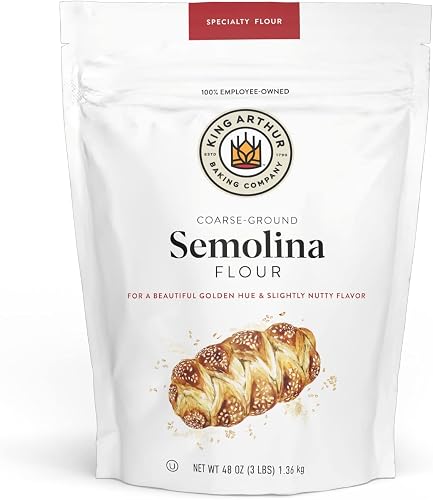
King Arthur Premium Semolina Flour
Best for yellow, firm dough - 6
 Check it
CENTRAL MILLING 100% Organic Artisan Bread Flour
Best for no-additive bulk baking - 7
 Best for long-fermented doughCheck it
- 8
 Check it
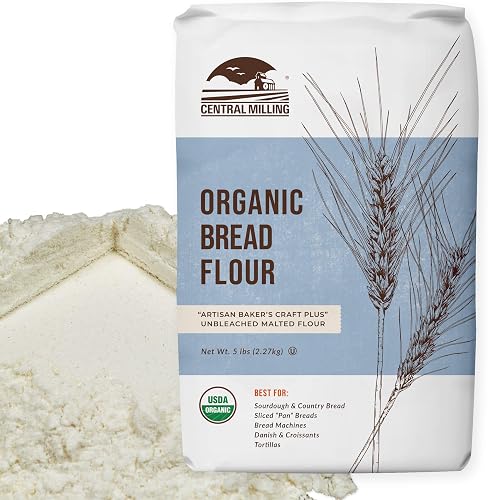
CENTRAL MILLING 100% Organic Bread Flour
Best for bread machines - 9
 Check it
Sunrise Flour Mill Heritage Whole Wheat Bread
Best for a tender whole grain blend
Which bread flour that is not enriched is best?
Sunrise Flour Mill Heritage Organic Bread Flour Blend is the best overall choice because it combines a bread-focused formula, organic heritage wheat and high protein. It is unbleached and milled in a single pass for a fine, fluffy texture.
That mix suits daily loaves where you want soft crumb, good rise and nutty flavor. The heritage wheat gives more character than a plain modern white flour.
The 5 lb bag is also a manageable size for most home kitchens.
Central Milling Organic Bread Flour is the better match when no additives is your first filter. It has 11.5% protein and works for sourdough, country bread, pan bread and bread machines.
It does include a touch of organic malted barley flour, which helps yeast dough and crust color.
Our score weighs specs, features and buyer feedback against what you're shopping for. The order below also separates strict no-enrichment options from products that are useful for bread but need a closer ingredient check.
Think about the loaf before you pick the bag. A white sandwich loaf, a rustic sourdough and a rye bread all call for different flour strengths and flavors.
Whole wheat and rye flours will change color and texture even when they are high quality.
Package size should match your baking pace. A small bag reduces waste if you bake once in a while.
A bulk bag saves repeat shopping if you bake several times a week. Storage space is worth checking before you choose the larger option.
| Product | Best for | Size | Flour type | Wheat | Our score |
|---|---|---|---|---|---|
| Sunrise Flour Mill Heritage Organic Whole Wheat | fine whole wheat loaves | 5 lb | Organic whole wheat bread flour | Red hard wheat | 9.7 |
| Sunrise Flour Mill Heritage Organic Bread Flour | most daily loaves | 5 lb | Organic unbleached bread flour blend | Turkey Red and White Sonora heritage wheat | 9.5 |
| One in a Mill Whole Rye Flour | rye and sourdough flavor | 4 lb | Whole rye flour | 9.5 | |
| Bob's Red Mill Artisan Bread Flour | bulk bread baking | 25 lb | Artisan bread flour | 9.4 | |
| King Arthur Premium Semolina Flour | yellow, firm dough | 3 lb | Semolina flour | Durum wheat | 9.4 |
| CENTRAL MILLING 100% Organic Artisan Bread Flour | no-additive bulk baking | 25 lb | Organic artisan bread flour | 9.2 | |
| Polselli Organic Bread Flour | long-fermented dough | 11 lb | Organic Italian Type 1 bread flour | 9.0 | |
| CENTRAL MILLING 100% Organic Bread Flour | bread machines | 5 lb | Organic bread flour | 8.8 | |
| Sunrise Flour Mill Heritage Whole Wheat Bread | a tender whole grain blend | 2 lb | Organic whole wheat bread blend | Heritage hard red and soft white wheat | 8.8 |
The best bread flour that is not enriched for different bakers
The right flour depends on whether you want a light white loaf, a whole grain crumb, a rye flavor, a long-fermented dough or a large pantry supply. These products are not interchangeable, even when each can be used in bread making.
Sunrise Flour Mill Heritage Organic Whole Wheat: Best for fine whole wheat loaves
- 5 lb bag
- Organic whole wheat flour
- Milled from red hard wheat
- No bleaching
- Single-pass milling
A fine-ground organic whole wheat flour for bakers who want bran and germ in the loaf without added enrichment. Its heritage wheat and single-pass milling suit rustic loaves and fuller grain flavor.
Pros
- Organic whole wheat
- No bleaching
- Fine grind
Cons
- Whole wheat flavor and texture may not suit white loaves
Sunrise Flour Mill Heritage Organic Whole Wheat is the highest-scoring pick for bakers who want a true whole wheat flour without bleaching. The 5 lb bag is milled from red hard wheat and uses single-pass milling for an ultra-fine texture.
That fine grind matters when you want whole wheat flavor without a coarse bran feel. The flour is still whole wheat, so expect more grain character than a white bread flour, but the texture may be easier to work into everyday loaves than a rougher grind.
The flour is certified organic and described as easier to digest with less bloating. Those are product claims, not a medical promise, so people with gluten or wheat concerns should choose food that fits their own needs.
Choose it for whole wheat sandwich bread, rustic loaves and recipes where a nutty flavor belongs. If you want a paler crumb and a more classic bread-flour feel, Sunrise Heritage Organic Bread Flour Blend is a closer fit.
Sunrise Flour Mill Heritage Organic Bread Flour: Best for most daily loaves
- 5 lb bag
- Organic unbleached bread flour blend
- High protein
- Turkey Red and White Sonora heritage wheat
- Single-pass milling
This is the strongest all-around choice for shoppers avoiding enriched flour while still wanting a bread-focused blend. It combines heritage wheat, high protein and a smooth, nutty flavor.
Pros
- High-protein bread blend
- Organic and unbleached
- Works for soft, airy bread
Cons
- Blend details may feel less direct than a single wheat flour
Sunrise Flour Mill Heritage Organic Bread Flour Blend is the best overall option for a shopper who wants bread flour that is not enriched without moving fully into whole wheat. Its 5 lb bag contains a high-protein blend of Turkey Red and White Sonora heritage wheat.
The blend is unbleached, organic and milled with a single-pass process. Its smooth, nutty flavor should suit soft loaves, airy bread and golden-crust recipes where you want more character than standard white flour.
The title describes it as a bread flour blend, and the product data also identifies bread, white flour, whole wheat flour, whole wheat pastry flour, pizza flour and pancake mix. That range makes it useful when one pantry flour needs to cover several baking jobs.
Choose this first for daily bread baking. If your priority is a plain no-additives statement rather than a heritage wheat blend, compare it with Central Milling Organic Bread Flour.
One in a Mill Whole Rye Flour: Best for rye and sourdough flavor
- 4 lb package
- 100% all-natural unbleached flour
- Whole rye flour
- Pre-sifted
- No preservatives
Choose this whole rye flour when flavor matters more than a pale, high-rise loaf. It is pre-sifted and suits rye, pumpernickel, sourdough, artisan doughs and mixed-flour baking.
Pros
- Whole rye flavor
- Pre-sifted
- No preservatives
Cons
- Rye is not a direct replacement for strong white bread flour in every recipe
One in a Mill Whole Rye Flour is the best choice for a loaf where rye flavor leads. It is a 4 lb, 100% all-natural, unbleached and pre-sifted whole rye flour with no preservatives.
Rye brings a malty, earthy taste and a darker grain profile than white wheat flour. That flavor works well in rye bread, pumpernickel and sourdough.
It also adds depth to mixed flour artisan doughs.
Use it for cakes, pie crusts, cookies, homemade pasta, pizza dough and pancakes as described. Those uses show its range, but rye focused baking remains its strongest fit here.
Smaller amounts in wheat recipes can add flavor without taking over the loaf.
The pre-sifted format can save time before mixing. It helps reduce lumps and makes the flour easier to measure.
That convenience suits bakers who want a ready to use specialty flour.
Do not treat it as a one-for-one replacement for high-protein wheat flour in every recipe. Rye dough behaves differently and needs a recipe built for it.
Choose it when the recipe is built around rye or when you are intentionally changing the loaf's flavor and texture.
Store the bag in a cool, dry place and keep it closed between uses. Rye flour has a strong flavor that can fade if it absorbs moisture or pantry odors.
An airtight container is a sensible choice after opening.
Bob's Red Mill Artisan Bread Flour: Best for bulk bread baking
- 25 lb bag
- Unbleached and unbromated
- 5 g protein per serving
- Malted
- Enriched
This large bag suits frequent bakers who want artisan bread flour in bulk, but it does not meet a strict no-enrichment requirement. Keep it in this comparison only if unbleached and unbromated matter more to you than avoiding enrichment.
Pros
- Large 25 lb bag
- Unbleached
- Unbromated
Cons
- Enriched and malted
Bob's Red Mill Artisan Bread Flour is the bulk-baking outlier here. The 25 lb bag is unbleached and unbromated, but the product data also says it is enriched and malted, so it does not meet a strict bread flour that is not enriched requirement.
It can still suit a baker who has decided that avoiding bleaching and bromate matters more than avoiding enrichment. The flour is described for baguettes, pizza crusts, dinner rolls, sandwich loaves, pretzels, bagels and flatbreads.
The large bag makes sense for frequent bread baking, especially when you want one flour for many wheat-based recipes. Store a bag this size in a cool, dry place and use a clean, dry scoop to limit moisture getting into the flour.
Choose it only after checking your own rule. If enriched flour is off your list, skip this product and focus on the no-additives or whole-grain options below.
King Arthur Premium Semolina Flour: Best for yellow, firm dough
- 3 lb resealable bag
- Coarse-ground durum wheat
- High protein
- 100% USA-grown wheat
- Kosher
Semolina brings a pale yellow color, nutty sweetness and a coarse texture to bread dough. Use it alone for selected recipes or blend it with bread flour when you want more structure and grain character.
Pros
- High-protein durum wheat
- Resealable bag
- Useful for bread, pizza and pasta
Cons
- Coarse texture is not ideal for every soft sandwich loaf
King Arthur Premium Semolina Flour is the best pick for firm, golden dough and for bakers who also make pasta or pizza. It is a 3 lb resealable bag of coarse-ground, high-protein durum wheat with a pale yellow color.
Semolina has a different texture from standard wheat bread flour. Its coarse grind and durum wheat character can add chew, color and a nutty, sweet flavor, but a loaf made entirely from semolina may not match a soft white sandwich bread.
The product is described for bread, pizza and pasta, so it works well in a mixed-flour approach. Use it when you want to change the dough's color and flavor, or when you want one small bag to cover several baking projects.
Choose semolina for variety rather than as the default flour for every loaf. Its resealable package is helpful when you use it occasionally and want to protect the remaining flour from moisture.
CENTRAL MILLING 100% Organic Artisan Bread Flour: Best for no-additive bulk baking
- 25 lb bag
- 100% organic
- No additives
- GMO-free
- Type 80 flour
This is the best large-bag option for bakers who want organic flour with no additives. Type 80 sits between white flour and whole wheat, giving artisan dough a more grain-forward character.
Pros
- No additives
- Organic
- Large 25 lb bag
Cons
- Type 80 is less pale than standard white bread flour
CENTRAL MILLING 100% Organic Artisan Bread Flour is the strongest bulk pick for shoppers who want no additives and a large supply. The 25 lb bag is organic, GMO-free, kosher and vegan, with a Type 80 flour style.
Type 80 sits between white flour and whole wheat in color and mineral content. It keeps more grain character than a very white flour.
That balance suits bakers who want rustic flavor without a dense whole wheat loaf.
The flour is designed for artisan bread by artisan bread bakers. It suits sourdough, rustic European bread and American style breads in many shapes.
It also works in bread machines for home baking.
Its uses go beyond bread when you want variety from one bag. It is described for pizza, laminated doughs such as croissants, quick breads and brownies.
It also makes cookies with a chewy texture, which helps justify a bulk purchase.
Choose it for frequent baking and clear no-additives wording. The wheat is grown organically in high mountain valleys on family owned farms.
That origin may appeal to shoppers who care about where their flour comes from.
A 25 lb bag needs planned storage from the start. Use an airtight container in a cool, dark area rather than leaving the opened flour exposed.
The product notes it can maintain freshness for 25 years when stored with an oxygen absorber packet in those conditions.
Keep a clean, dry scoop in the container and close it after each use. That habit protects the flour from moisture and pantry pests.
Mark the opening date so you can judge freshness for yourself over time.
Polselli Organic Bread Flour: Best for long-fermented dough
- 11 lb package
- Italian Type 1 flour
- Unbleached
- No additives or enzymes
- 11.5 to 12.5% protein
Polselli fits bakers who want an organic, unbleached flour without additives or enzymes for sourdough and high-hydration doughs. Its Type 1 style keeps more grain character than a very white flour.
Pros
- No additives or enzymes
- Organic Italian wheat
- Designed for long fermentation
Cons
- Type 1 flour may bake darker than white bread flour
Polselli Organic Bread Flour is the best fit for long-fermented, high-hydration dough. Its 11 lb package contains Italian Type 1 flour with 11.5 to 12.5% protein, and it is described as unbleached and made without additives or enzymes.
Type 1 flour keeps more grain character than a very white flour. Polselli positions this flour for sourdough, artisan bread, Italian-style loaves and open-crumb dough, so it suits bakers who plan around fermentation time rather than quick mixing.
The stated W250 to 300 strength range and protein range point toward doughs that need structure during longer fermentation. Those numbers help with recipe planning, but they do not remove the need to adjust hydration and timing for your own method.
Choose Polselli for sourdough and artisan baking. For a smaller everyday bag or bread-machine use, Central Milling Organic Bread Flour is easier to match to a general home-baking routine.
CENTRAL MILLING 100% Organic Bread Flour: Best for bread machines
- 5 lb bag
- 11.5% protein
- No additives
- Organic
- GMO-free
This 5 lb organic flour is a practical choice for sourdough, pan bread and bread-machine recipes. It contains no additives, though it does include organic malted barley flour.
Pros
- No additives
- Useful 5 lb size
- Suitable for bread machines
Cons
- Contains malted barley flour
CENTRAL MILLING 100% Organic Bread Flour is the practical 5 lb choice for shoppers who want organic flour with no additives for sourdough, pan bread and bread machines. It has 11.5% protein and combines organic hard red winter wheat with some organic hard red spring wheat.
One detail deserves attention: the product also includes a touch of organic malted barley flour. The flour has no additives according to the product data, but it is not a single-ingredient wheat flour.
The malted barley flour is described as helping stabilize fermentation and deepen crust color in yeast-risen dough. That makes this a useful option for everyday yeast bread, though anyone avoiding barley should check whether it fits their diet.
Choose it when you want a manageable 5 lb bag and a bread-focused flour. If you want no additives and no stated malted barley ingredient, compare Central Milling Artisan Bread Flour instead.
Sunrise Flour Mill Heritage Whole Wheat Bread: Best for a tender whole grain blend
- 2 lb bag
- Organic whole wheat bread blend
- Heritage hard red and soft white wheat
- Unbleached
- Non-GMO
This smaller bag suits bakers who want a whole grain blend with a softer crumb than a single strong whole wheat flour. The mix of hard red and soft white wheat brings wheaty flavor to sourdough and sandwich bread.
Pros
- Small 2 lb size
- Organic whole wheat blend
- Hard and soft wheat combination
Cons
- Less suitable for bulk baking
Sunrise Flour Mill Heritage Whole Wheat Bread Blend is the best smaller-bag option for a tender whole grain style. The 2 lb blend combines organic heritage hard red wheat with soft white wheat and is unbleached, non-GMO and kosher.
The hard and soft wheat combination gives this flour a different balance from a single strong whole wheat flour. It is intended for rustic sourdoughs and sandwich loaves, with wheaty flavor and a smoother, more tender crumb.
A 2 lb package suits occasional bakers or anyone who wants to try a heritage whole wheat blend before committing to a bulk bag. It is less practical for frequent baking, where a 5 lb or 25 lb flour will last longer between shopping trips.
Choose it for smaller batches and whole grain flavor. If you want the finest grind and a single red hard wheat flour, Sunrise Heritage Organic Whole Wheat is the more direct choice.
How do you choose bread flour that is not enriched?
Choose by the ingredient rule first, then by grain type, protein, package size and the bread you plan to make. No additives, unbleached, whole wheat, rye and semolina describe different things, so one label may satisfy one goal but not another.
What should you check for on the flour label?
Look for clear wording about enrichment, additives, bleaching and malted ingredients. A product described as unbleached may still be enriched, while a product described as having no additives may still include a specific flour ingredient such as organic malted barley flour.
Whole wheat flour includes more of the grain than white flour, so it usually brings more color and flavor to the loaf. Type 1 and Type 80 flours sit between very white flour and whole wheat, while rye and semolina come from different grains or wheat types and change the dough in their own ways.
Our guide to the best unbleached bread flour can help if your main concern is bleaching rather than enrichment. If you need to avoid several ingredients, read the complete ingredient statement every time you buy.
Which flour works best in a bread machine?
Central Milling Organic Bread Flour is the clearest bread machine match in this group because its product data names bread machines among its uses. It is a 5 lb bag with 11.5% protein for sourdough, country bread and sliced pan breads.
Central Milling Organic Artisan Bread Flour is also described for bread machines. Its 25 lb Type 80 bag suits larger batches and rustic bread styles.
The Sunrise blends may suit bread baking but are not presented with the same specific machine use note.
Start with the flour that matches your machine recipe. A bread focused flour with enough protein helps dough hold shape during the cycle.
A whole wheat, rye or semolina flour will change hydration and rise time.
Measure flour by weight when your recipe gives weights. If you use cups, fill them lightly and level them instead of packing flour into the cup.
That small change can affect dough consistency because the amount varies with how flour settles.
For machine recipes, add ingredients in the order required by your machine manual. Keep the lid closed during the cycle so heat and timing stay consistent.
If you are new to machine baking, read what you should not do with a bread maker before changing flour types or opening the lid during a cycle. That guide covers common mistakes that can waste a batch.
Use the same flour while you learn a recipe. Changing flour and water at the same time makes it hard to know what caused a change.
Once one loaf works well, you can test a new flour in a small batch.
Store machine baking flour in an airtight container after opening. Whole grain and specialty flours benefit from cool, dry storage.
Can you blend unenriched flour with other flour?
Yes, blending lets you keep a familiar dough structure while adding whole grain, rye or semolina flavor. Start with a small portion of the specialty flour, then adjust water and kneading as the dough tells you it needs more or less moisture.
A whole wheat flour can make a loaf feel fuller, rye can bring earthy flavor, and semolina can add yellow color and chew. These changes are useful, but they also mean your usual white-flour recipe may need a different rise time or hydration.
If you do not have bread flour, our guide to what is a bread flour substitute explains which alternatives are most practical. For shoppers avoiding several processing ingredients, compare the options in best bread flour without additives.
How should you store flour that is not enriched?
Keep flour cool, dry and protected from moisture, sunlight and pantry pests. A clean airtight container is useful after opening, especially for the 25 lb bags from Bob's Red Mill and Central Milling.
Mark the purchase or opening date on the container so you can use older flour first. Before mixing, check for an off smell, damp clumps or visible pests, and discard flour that has clearly spoiled.
If you use a bread maker to prepare dough for a separate oven bake, keep the flour choice consistent while you adjust the recipe. Read how to make enriched dough in a bread maker only if you are intentionally adding enrichment ingredients, since that process is different from choosing unenriched flour.
Which bread flour that is not enriched should you buy?
Choose Sunrise Heritage Organic Bread Flour Blend for the best balance of bread focused performance, organic heritage wheat and daily usefulness. Its high protein blend of Turkey Red and White Sonora wheat suits soft, airy loaves with a golden crust.
Pick Sunrise Heritage Organic Whole Wheat for a fine whole grain loaf. That 5 lb flour is milled from red hard wheat in a single pass for an ultra fine texture.
It brings nutty whole wheat flavor without the coarse feel of a rough grind.
Pick One in a Mill for rye flavor and Polselli for long fermented artisan dough. The 4 lb One in a Mill whole rye flour is unbleached, pre sifted and preservative free for rye, pumpernickel and sourdough.
Polselli Italian Type 1 flour has 11.5 to 12.5% protein and no additives or enzymes.
For bulk baking, Central Milling Organic Artisan Bread Flour gives you a 25 lb no additives option. That Type 80 flour sits between white flour and whole wheat for rustic bread, pizza and sourdough.
It needs airtight storage in a cool, dark place after opening.
If you want a 5 lb bag for bread machines and pan loaves, Central Milling Organic Bread Flour is the simpler everyday choice. It has 11.5% protein and no additives, with organic malted barley flour included.
That malt helps yeast fermentation and crust color in bread recipes.
King Arthur semolina is worth adding when you want golden, firm dough for bread, pizza and pasta. Its coarse durum wheat suits blended or specialty recipes, and the 3 lb resealable bag helps when you use semolina only now and then.
Match the flour to the bread you make most often. A daily sandwich loaf needs different handling than a rye loaf or a long fermented sourdough.
Our top 3 picks at a glance
-
1
Best for fine whole wheat loaves
Sunrise Flour Mill Heritage Organic Whole Wheat
9.7/10 our score
See it on Amazon -
2
Best for most daily loaves
Sunrise Flour Mill Heritage Organic Bread Flour
9.5/10 our score
See it on Amazon -
3
Frequently asked questions
What is bread flour that is not enriched?
Bread flour that is not enriched has not had nutrients added back after milling. For this roundup, check the package wording carefully because unbleached does not always mean unenriched.
Bob's Red Mill, for example, is unbleached and unbromated but is also enriched.
Is unbleached flour the same as unenriched flour?
No. Unbleached describes how flour is treated for color, while unenriched means nutrients were not added back after milling.
A flour can be unbleached and still enriched, so shoppers avoiding enrichment should look for clear wording such as no additives and review the ingredient list.
Which unenriched flour is best for sandwich bread?
Sunrise Flour Mill Heritage Organic Bread Flour Blend is the best fit here for a bread-focused everyday loaf. It is an organic unbleached blend made with Turkey Red and White Sonora heritage wheat.
Central Milling Organic Bread Flour is another practical option for pan bread and bread machines.
Can whole wheat flour replace bread flour?
Whole wheat flour can replace some bread flour, but a full swap changes the loaf's texture, flavor and dough handling. Sunrise Heritage Organic Whole Wheat is finely milled for smoother bran integration, while the Heritage Whole Wheat Bread Blend combines hard red and soft white wheat.
Does rye flour work as bread flour?
Rye flour works well in rye, pumpernickel and mixed-grain bread, but it does not behave exactly like strong wheat bread flour. One in a Mill Whole Rye Flour suits rye and artisan doughs.
For a lighter loaf, blend rye with a wheat bread flour.


