How to Make a 1.5-Pound French Loaf in a Bread Machine
Use a French or basic white cycle with about 3 cups of flour for a 1.5 lb loaf. Add ingredients in the order your machine recommends, check the dough early, and cool the loaf fully before slicing.
On this page (9 sections)
- What size is a 1.5 lb bread machine loaf?
- How do you add ingredients for a 1.5 lb French loaf?
- What is the best cycle for bread machine French bread?
- How do you check the dough during kneading?
- How can you shape a French loaf from a bread machine?
- How long should a 1.5 lb French loaf cool?
- What causes a dense 1.5 lb French loaf?
- How is a 1.5 lb loaf different from a 2 lb loaf?
- What is the simple method for this loaf?
Use about 3 cups of bread flour for a 1.5 lb bread machine French loaf, with water, salt, yeast, and a small amount of fat if your recipe includes it. Choose a French or crusty loaf cycle, check the dough during kneading, and let the loaf cool fully before slicing.
A medium loaf works well when you want French bread for one meal without filling a large bread pan. The key is matching the recipe size to the pan, using the correct cycle, and keeping the dough balanced.
What size is a 1.5 lb bread machine loaf?
A 1.5 lb loaf is a medium bread-machine size that usually suits a small household or a meal with limited leftovers. The finished loaf may weigh slightly more or less because water leaves the dough during baking.
Before starting, check What Size Loaf Does A Bread Maker Make? if you're unsure whether your machine supports this setting. A machine with a larger pan may still bake a 1.5 lb loaf, but the dough may spread differently than it would in a smaller pan.
A useful starting formula is:
- 3 cups bread flour
- 1 cup plus 1 tablespoon water
- 1 1/2 teaspoons salt
- 1 teaspoon instant yeast
- 1 tablespoon olive oil or another recipe-approved fat
This is a starting proportion, not a universal formula. Flour absorbs water differently, so the dough needs a visual check during kneading.
How do you add ingredients for a 1.5 lb French loaf?
Add the ingredients in the order your bread machine manual recommends. Many machines use liquids first, followed by flour and salt, with yeast placed in a small well on top of the flour.
Keep the yeast away from the liquid until the machine starts. Salt can slow yeast activity when it sits directly against the yeast, so separate them during loading.
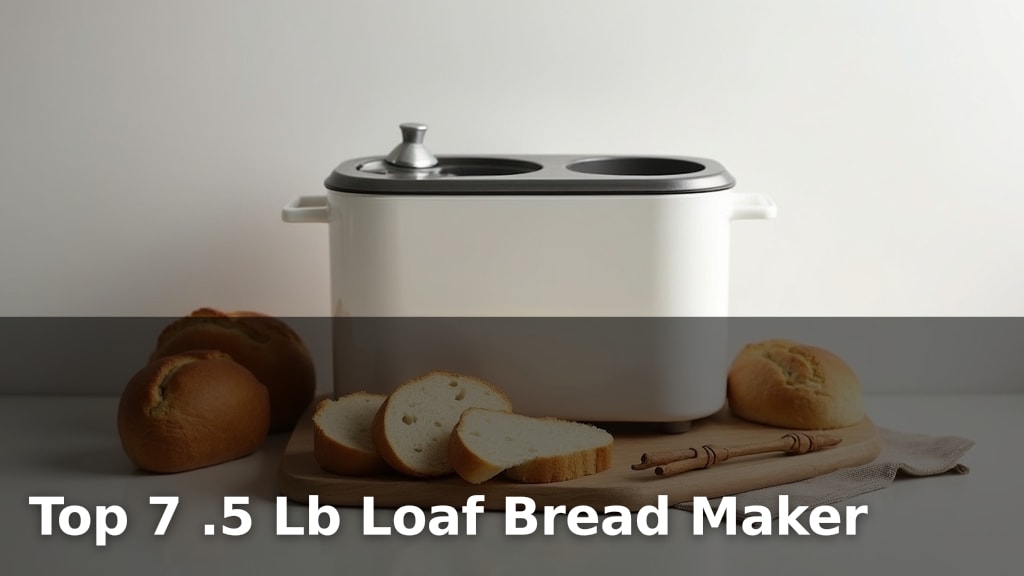
If you're comparing machines for this loaf size, the Top 7 .5 Lb Loaf Bread Maker guide can help you think through pan capacity and cycle choices. Measure the pan and confirm the machine's loaf-size settings before adapting a recipe.
What is the best cycle for bread machine French bread?
Use the French, crusty loaf, or similar cycle when your machine offers one. These programs may use different kneading, rise, and bake times than a basic white-bread setting.
Select a medium or dark crust if you want a firmer, deeper-colored exterior. A light crust may leave the loaf softer and paler, which can still work if you plan to use it for sandwiches.
If the machine has a 1.5 lb setting, select it before pressing start. If it has custom programming, keep the total dough and bake time within the machine's normal range.
Which bread maker suits a 1.5 lb French loaf?
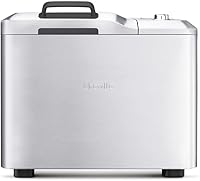
The Breville BBM800XL Custom Loaf Bread Maker Machine suits readers who want a 1.5 lb loaf with control over programs and crust color. It supports 1 lb to 2.5 lb loaf sizes, offers more than 13 automatic programs, and includes 9 custom settings.
Its French-style use is most relevant if you want to adjust the cycle instead of relying only on a preset. The machine has 3 crust color options, a smart LCD display, and a collapsible kneading paddle for bread and dough settings.
The brushed stainless steel body measures 9.6 in deep, 16.4 in wide, and 13.3 in high. Its 830 W power rating and 1 to 2.5 lb loaf range give you room to make this medium loaf now and change sizes later.
Clean the removable accessories by hand as directed. The included collapsible paddle is for bread and dough settings, while the fixed paddle is for jam only.
How do you check the dough during kneading?
Check the dough after about 5 to 10 minutes of kneading, when the flour has absorbed most of the liquid. It should look soft and cohesive, with enough moisture to stretch without becoming a thin paste.
If the dough looks dry or breaks into pieces, add water 1 teaspoon at a time. If it looks wet and smears across the pan, add flour 1 tablespoon at a time.
Wait briefly between additions so the dough can absorb the change. Large corrections can make the loaf heavy or uneven.
Keep the lid closed after the dough reaches the right texture. Opening the machine during rising or baking can reduce heat and affect the loaf's height.
How can you shape a French loaf from a bread machine?
A bread machine can bake French-style bread in its pan, but the shape will be more like a tall machine loaf than a long bakery baguette. Use the dough cycle if you want to shape the dough by hand and bake it separately.
For a pan-baked loaf, let the machine complete the French or crusty loaf program. Avoid removing the dough unless the recipe specifically calls for a shaped bake.
For a hand-shaped loaf, remove the dough after the final knead or dough cycle, depending on your recipe. Form it into a compact oval, place it on a baking sheet, let it rise until puffy, and slash the top before baking in a conventional oven.
Use Can You Make French Bread in a Bread Machine? for the difference between machine-baked French bread and dough shaped for oven baking. The choice depends on whether you value convenience or a longer, thinner loaf.
How long should a 1.5 lb French loaf cool?
Cool the loaf on a wire rack for at least 30 minutes before slicing. The crumb continues to set as steam leaves the loaf, so cutting too soon can make the center look gummy.
Remove the loaf from the pan when the cycle ends, using oven mitts and following the machine's instructions. Take out the kneading paddle once the loaf is cool enough to handle.
A serrated bread knife works better than a smooth knife for the crust. Use a gentle sawing motion and avoid pressing down on the loaf.
Store leftovers only after the loaf has cooled completely. A paper bag keeps the crust firmer for short storage, while an airtight container keeps the crumb softer.
What causes a dense 1.5 lb French loaf?
The most common causes are old yeast, too much flour, too little liquid, an incorrect loaf-size setting, or a rise that was too short. A dense loaf can also result when the dough stays too cool or the machine cycle ends before the center is fully baked.
Check yeast freshness and measure flour carefully. If you use cups, spoon flour into the cup and level it instead of packing it down.
For a taller loaf, avoid adding extra flour unless the dough is clearly too wet. French bread dough should not feel as firm as cookie dough.
If the loaf collapses, reduce the liquid slightly on the next attempt or check whether the dough rose too far. Keep notes on the flour, liquid, cycle, and crust setting so you can adjust one variable at a time.
How is a 1.5 lb loaf different from a 2 lb loaf?
A 1.5 lb loaf uses less dough and usually needs less total baking time than a 2 lb loaf. For a larger batch, browse 2 lb bread machine recipes.
Do not pour a 2 lb recipe into a smaller setting because the dough may rise into the lid or bake unevenly.
For a larger family loaf, compare How to Make a Two-Pound French Loaf in a Bread Machine. Keep the flour-to-liquid ratio consistent when scaling, and verify that the machine's pan can hold the increased dough.
For more ideas that match this pan size, see Bread Machine Recipes for a 1.5-Pound Loaf. Recipes written for the same loaf size reduce the need for risky conversions.
What is the simple method for this loaf?
Choose the 1.5 lb setting, use about 3 cups of flour, select a French or crusty cycle, check the dough early, and cool the loaf before slicing. This method gives you a practical starting point without overfilling the pan.
Pick the Breville BBM800XL if you want a machine that supports this loaf size while also offering custom settings, 3 crust colors, and a French-style crusty loaf program. Pick a recipe written specifically for 1.5 lb pans when you want fewer adjustments.
For the closest bakery-style result, use the dough cycle and shape the loaf in an oven. For the simplest routine, let the machine knead, rise, and bake the loaf in its pan.
Frequently asked questions
Can you make a 1.5 lb French loaf in a bread machine?
Yes. Use a bread machine with a 1.5 lb setting or a custom cycle, then choose a French or crusty loaf program when available.
Measure the flour by weight when possible, check the dough during kneading, and cool the finished loaf before cutting.
How much flour goes into a 1.5 lb bread machine loaf?
A 1.5 lb loaf often uses about 3 cups of bread flour, but the exact amount depends on the recipe and machine pan. Start with the recipe's flour measurement, then check the dough after several minutes.
It should form a soft, smooth ball rather than look dry or runny.
What cycle should you use for French bread in a bread machine?
Choose the French, crusty loaf, or similar cycle if your machine has one. That setting may use a longer bake or different timing than a basic white cycle.
If your machine lacks a French setting, use the closest white-bread cycle and select a medium or dark crust.
Why is my 1.5 lb bread machine French bread dense?
Dense bread can result from old yeast, too much flour, low liquid, a wrong cycle, or a dough that did not rise fully. Check yeast freshness, measure carefully, avoid opening the lid repeatedly, and watch the dough during the first knead to catch a dry or stiff mixture.