Zojirushi BB-PDC20 Bread Maker Recipes
Zojirushi BB-PDC20 recipes work best when you match ingredients and dough size to the machine's selected cycle. Use the recipe order in the manual, measure carefully, and adjust only after you understand how the cycle behaves.
On this page (10 sections)
- Which ingredients work best in Zojirushi BB-PDC20 recipes?
- Which Zojirushi BB-PDC20 cycles suit common recipes?
- How do you adjust hydration without ruining the loaf?
- How can you make whole wheat and multigrain bread?
- Can you make dough, pasta, and other recipes?
- What should you do when a recipe fails?
- Which bread maker helps with custom recipes?
- How do you store and slice a finished loaf?
- How long can a Zojirushi bread maker last?
- What is the best way to use Zojirushi BB-PDC20 recipes?
Zojirushi BB-PDC20 recipes work best when you match the dough quantity and ingredients to the selected baking cycle. Measure carefully, add ingredients in the recommended order, and change one part of a recipe at a time.
The BB-PDC20 is the Zojirushi Home Bakery Virtuoso Plus, a machine built around model-specific cycles. The same dough can behave differently on a basic bread cycle, a whole wheat cycle, a rapid cycle, or a dough-only program.
For a wider starting point, compare these Zojirushi bread maker recipes before narrowing your recipe to the BB-PDC20.
Which ingredients work best in Zojirushi BB-PDC20 recipes?
Bread flour, dependable yeast, measured liquid, salt, and a small amount of sweetener form the basic starting point. The right balance matters more than adding extra ingredients.
Use bread flour when you want a loaf with more structure. All-purpose flour can work in some recipes, but the dough may have a different texture and rise.
Instant yeast is convenient for bread-machine recipes because it can mix directly with the dry ingredients. Keep salt and yeast separated until the machine starts mixing if your recipe instructions call for that order.
Measure flour by weight when possible. If you use cups, spoon flour into the cup and level it instead of packing it down.
How should you add ingredients to the pan?
Follow the ingredient order used by the recipe and the BB-PDC20 instructions. A common approach is to add liquid first, followed by flour, salt, sweetener, fat, and yeast in separate areas.
Ingredient order helps protect yeast from early contact with liquid. It also gives the machine a consistent starting point during its first mixing stage.
Check the dough after the initial mixing period if the recipe allows it. The dough should form a soft, cohesive mass rather than remain dry and crumbly or spread like batter.
Which Zojirushi BB-PDC20 cycles suit common recipes?
Use the basic cycle for everyday white bread, the whole wheat cycle for heavier flour, and the dough cycle when you want to shape and bake elsewhere. Choose a cycle based on the dough, not only on the name of the finished loaf.
A basic bread cycle suits recipes built mostly from white flour. It gives the dough a familiar sequence of mixing, rising, and baking.
Whole wheat recipes often need more time for the bran and germ to absorb liquid. Use the whole wheat setting when the recipe contains a large share of whole wheat flour.
A dough cycle is useful for rolls, pizza dough, and shaped loaves. The machine handles mixing and rising, while you shape the dough and finish it in an oven.
For a closer look at the machine itself, read our Zojirushi Home Bakery Virtuoso Plus review.
How do you adjust hydration without ruining the loaf?
Adjust hydration in small amounts after watching the dough form. Add a teaspoon of liquid if the dough stays dry, or a teaspoon of flour if it remains loose and coats the pan.
Flour absorbs liquid differently based on brand, storage, and humidity. A recipe that works in one kitchen may need a small adjustment in another.
Don't pour in a large amount of flour or liquid at once. Small changes preserve the recipe's balance and make it easier to identify the cause of a poor loaf.
Dough with too little liquid may produce a dense, dry loaf. Dough with too much liquid may rise quickly and collapse before baking finishes.
How can you make whole wheat and multigrain bread?
Give whole wheat and multigrain dough enough liquid and use the cycle designed for heavier flour. Let the dough rest through the full program unless the recipe specifically directs another approach.
Whole wheat flour can make dough feel rougher and less elastic than white-flour dough. A short rest helps the flour absorb liquid before the main rise develops.
Seeds, oats, and grains add weight and can reduce rise if added in large amounts. Start with a small portion, then adjust after you understand the loaf's height and texture.
Add delicate ingredients at the point recommended by the recipe. Early mixing can break fruit, herbs, or soft additions into the dough.
Can you make dough, pasta, and other recipes?
Yes, use the dough cycle for recipes that need shaping or oven baking, and follow the machine's instructions for non-bread programs. Bread-machine recipes are not interchangeable across every cycle.
Pizza dough needs enough elasticity to stretch without tearing. After the dough cycle ends, rest it before shaping if the recipe calls for a rest.
Roll dough benefits from gentle handling after mixing. Shape the portions, allow the final rise, and bake according to the recipe rather than extending the bread-machine cycle.
For comparison with another Zojirushi model, see these Zojirushi BB-HAC10 recipes. The BB-HAC10 has a different design, so its cycle names and dough quantities may not match the BB-PDC20.
What should you do when a recipe fails?
Change one variable at a time and record the result. Start with flour measurement, liquid amount, yeast freshness, and cycle selection before changing the whole recipe.
A loaf that rises and collapses may have too much liquid or yeast. A loaf that stays short may need more liquid, fresher yeast, or a cycle with more rise time.
A dense center can come from heavy flour, too little liquid, or slicing while the loaf is still hot. Let the loaf cool before judging the crumb.
A pale crust may reflect the selected crust setting or the recipe's sugar and fat balance. Avoid assuming the machine is at fault until you repeat the recipe with careful measurements.
Which bread maker helps with custom recipes?
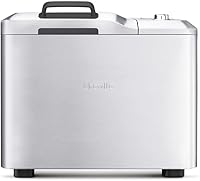
The Breville BBM800XL Custom Loaf Bread Maker Machine has 13 automatic programs, 9 custom settings, 3 crust color options, and 1 to 2.5 lb loaf sizes. Its collapsible kneading paddle, automatic fruit and nut dispenser, smart LCD display, and 60 minutes of power interruption protection suit bakers who want to save and repeat custom recipes.
Its brushed stainless steel body measures 9.6 in D x 16.4 in W x 13.3 in H, weighs 16.8 lb, and uses 830 watts at 110 to 120 volts. Hand wash the accessories, including the collapsible paddle for bread and dough settings and the fixed paddle for jam.
Choose it if recipe experimentation and saved custom settings matter more than matching the Zojirushi model. Skip it if your main goal is to follow BB-PDC20-specific cycles without learning a different machine.
How do you store and slice a finished loaf?
Cool the loaf fully before slicing and storing it. Cutting too early can compress the crumb and make a properly baked loaf seem wet.
Remove the bread from the pan after baking and place it on a rack. Wait until steam has reduced before cutting, especially for soft sandwich bread.
Use a serrated knife with steady strokes. Slice only what you plan to eat soon, then keep the remaining loaf sealed once it has cooled.
If you make bread for an older baker, a simple routine matters as much as recipe choice. Our guide to the Best Bread Maker For Seniors covers ease of use and practical handling.
How long can a Zojirushi bread maker last?
Care, correct loading, and regular cleaning can help a bread maker remain useful for years, but lifespan varies by use and maintenance. Keep the pan and paddles clean, avoid scratching coated surfaces, and follow the machine's care instructions.
Don't force a stuck paddle or scrape the pan with metal tools. Let baked dough soften before removing it, then wash the removable parts as directed.
Keep flour and liquid away from the control area. Wipe spills promptly and let parts dry before storing them.
For broader maintenance expectations, read How Long Do Zojirushi Bread Makers Last?.
What is the best way to use Zojirushi BB-PDC20 recipes?
Start with a model-matched basic recipe, use the correct cycle, and adjust hydration in small steps. This gives you a repeatable base before adding whole grains, seeds, fruit, or custom changes.
Pick a basic cycle for everyday white bread, a whole wheat cycle for heavier flour, and a dough cycle for pizza, rolls, or shaped loaves. Keep notes on flour, liquid, yeast, cycle, crust setting, and cooling time.
The best Zojirushi BB-PDC20 recipes are the ones you can repeat and adjust with confidence. Use the machine's instructions as the final guide for cycle limits, ingredient order, and care.
Frequently asked questions
What is the best recipe for the Zojirushi BB-PDC20?
The best recipe depends on the cycle and loaf style you want. Start with a basic white, whole wheat, or dough recipe that matches the BB-PDC20 program, then change one ingredient or setting at a time.
This makes it easier to see how hydration, flour, yeast, and cycle length affect the result.
Can you use regular bread recipes in the Zojirushi BB-PDC20?
Yes, but convert the recipe to the BB-PDC20's loaf size and ingredient order before starting. Check that the flour, liquid, yeast, salt, and sweetener amounts suit the selected cycle.
Recipes written for another bread maker may need changes because machines use different pan shapes and program times.
Why does bread sink in the Zojirushi BB-PDC20?
Bread can sink when the dough has too much liquid, too much yeast, or too little structure for the selected cycle. Measure flour by weight when possible, keep yeast away from liquid until mixing begins, and avoid opening the lid during the rise and bake stages.
How do you get a softer crust from Zojirushi BB-PDC20 recipes?
Choose a lighter crust setting when the recipe allows it, and remove the loaf promptly when baking ends. Let the loaf cool on a rack before slicing.
A recipe with enough liquid and fat can also produce a softer crumb, but changing several ingredients at once makes results harder to repeat.