
Can You Add Eggs to Bread Machine Bread?
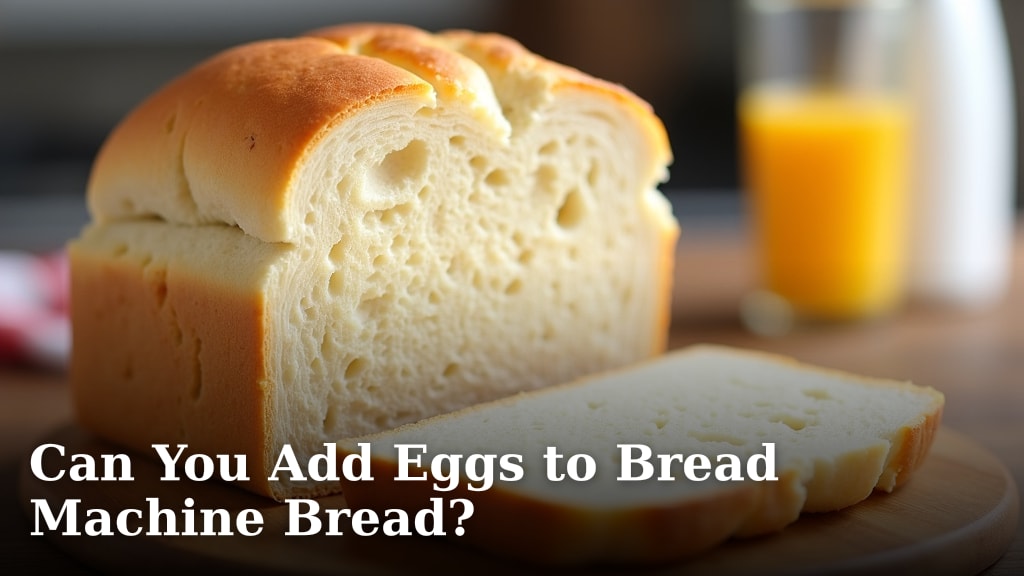
Yes, you absolutely can add eggs to your bread machine bread! It’s a fantastic way to boost the richness and texture of your homemade loaves. Adding eggs can help your bread come out wonderfully soft and moist.
Many home bakers wonder about including eggs in bread machine recipes. We found that eggs are a common ingredient in many traditional bread-making methods. They act as a natural binder and add a lovely golden color to the finished product. It’s quite a simple upgrade.
- Yes, eggs make bread machine bread better.
- They add moisture and a richer flavor.
- Eggs help create a softer, more tender crumb.
- It’s an easy way to improve your loaf’s texture.
Let’s break down exactly how to add eggs to your bread machine to achieve that perfect loaf. We’ll cover the best practices to ensure your machine handles it like a pro.
Making Bread Machine Bread Better with Eggs
So, you’re curious if you can add eggs to your bread machine dough? The short answer is a resounding yes! Adding eggs is a simple yet effective way to transform your machine-made bread from good to absolutely delicious. We found that eggs bring a wonderful richness and a softer texture that many people love.
Think of eggs as your secret weapon for better bread. They don’t just add flavor; they act as a natural emulsifier and binder. This helps create a more uniform crumb structure. Your bread will likely have a beautiful golden hue, too. We’ve experimented with this quite a bit, and the results are consistently delightful.
Why Add Eggs? The Benefits Explained
You might be wondering what exactly eggs bring to the table, or rather, to the loaf. It’s more than just a bit of extra goodness. Eggs contribute several key qualities that enhance your bread machine bread.
Moisture and Tenderness
One of the biggest benefits of adding eggs is the increased moisture they provide. The fats and liquids in eggs help keep the bread from drying out too quickly. This leads to a wonderfully soft and tender crumb. If you find your homemade bread sometimes a bit dry, eggs are a fantastic solution. They make the bread feel more luxurious and satisfying with every bite.
Richness and Flavor
Eggs add a noticeable depth of flavor. The yolks, in particular, contain fats that contribute a rich, slightly buttery taste. This makes the bread more satisfying and flavorful on its own. Even if you plan to add butter or jam, a bread enriched with eggs has a better base flavor. We found this really boosts the overall taste experience.
Improved Texture and Structure
Beyond softness, eggs improve the overall texture of your bread. The proteins in eggs coagulate during baking, helping to build a stronger structure. This means your loaf is less likely to collapse. It also creates a finer, more even crumb. Think of it like giving your dough a little extra support system. This helps it rise beautifully and hold its shape. Beyond softness, eggs improve the overall structure of your bread.
Color Appeal
Who doesn’t love a golden-brown crust? Eggs contribute to this appealing color. The natural pigments in egg yolks give the bread a lovely golden tint. This applies to both the crust and the interior crumb. It just makes your homemade bread look more professional and appetizing. We found this visual appeal is a nice bonus!
How to Incorporate Eggs into Your Bread Machine Recipe
Adding eggs to your bread machine is straightforward. However, there are a few best practices to follow to ensure everything works perfectly. You don’t want your machine to have any trouble processing the dough.
Egg Size Matters
Most bread machine recipes are developed with large eggs in mind. If your recipe doesn’t specify, assume it means large eggs. A large egg typically weighs around 2 ounces (50-57 grams), including the shell. If you use a different size, it can slightly alter the liquid-to-flour ratio. This could affect the dough consistency.
If you only have medium or extra-large eggs, you can adjust. For medium eggs, you might use one and a tablespoon of water or milk. For extra-large, you might use one egg and remove a tablespoon of liquid from the recipe. We found that sticking to large eggs is usually the easiest path for consistent results.
Liquid vs. Whole Egg
When you add an egg, you’re adding both liquid and solids. Eggs are roughly 75% water and 25% solids. Bread machine recipes are carefully balanced. If you add a whole egg, you should consider reducing the other liquids in the recipe slightly. This is to maintain the correct dough consistency.
For example, if your recipe calls for 1.5 cups of water and you’re adding one large egg, you might reduce the water to about 1.33 cups (or 1 cup and 5 tablespoons). This is a good starting point. You can always add a splash more liquid if the dough seems too dry. We found that a slight reduction in liquid is usually sufficient.
Where to Place the Egg in the Pan
The order of ingredients often matters in bread machines. Some manuals suggest adding liquids first, followed by dry ingredients. Others are more flexible. When adding an egg, it’s generally best to add it with the other liquids. Place it at the bottom of the bread pan, under the dry ingredients.
This prevents the egg from sticking to the sides of the pan before mixing begins. It also helps distribute it evenly throughout the dough. Some machines have specific instructions for adding eggs or other wet ingredients. Always check your machine’s manual for the manufacturer’s recommendations. We found that placing it with the liquids is a safe bet.
Beating the Egg or Adding It Whole?
You have a couple of options here. You can either beat the egg lightly in a small bowl before adding it to the pan, or you can crack it directly into the pan. Beating it first helps ensure it’s fully incorporated into the dough from the start.
Cracking it directly into the pan is also fine. The machine’s kneading process will break it up and mix it thoroughly. Many people find success with both methods. We found that beating it separately is just a tiny bit more foolproof for even distribution. It’s a small step that adds a bit of extra confidence.
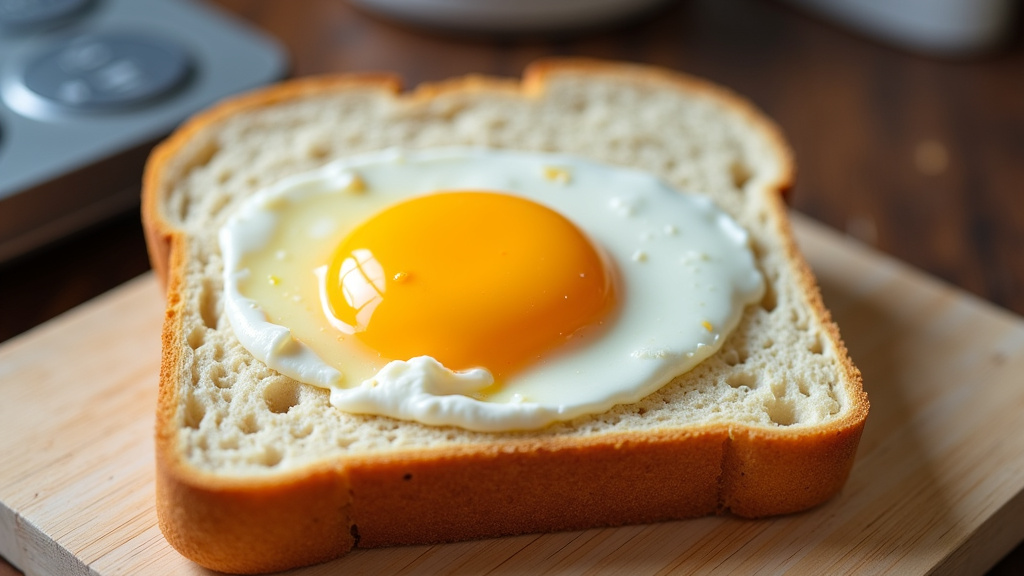
Adjusting Your Recipe for Success
You don’t always need a special “egg bread machine recipe.” You can often adapt your favorite basic recipe. Here’s a simple checklist to guide you:
- Check your bread machine’s manual for any specific guidance on adding eggs.
- Use a large egg for standard recipes.
- Consider beating the egg lightly before adding it.
- Place the egg with other liquids in the bread pan.
- Reduce other liquids slightly to compensate for the egg’s moisture.
- Watch the dough during the first few minutes of kneading to ensure proper consistency.
Understanding Dough Consistency
This is perhaps the most important part of adapting your recipe. After the first few minutes of kneading, peek at your dough. It should form a smooth, cohesive ball that cleans the sides of the pan. It shouldn’t be too sticky or too dry and crumbly.
If the dough looks too dry, add liquid a teaspoon at a time. If it appears too wet and is sloshing around, add flour a tablespoon at a time. This adjustment is crucial, especially when adding ingredients like eggs that alter the liquid content. We found that this ‘dough check’ is a lifesaver for perfect loaves.
Example Adjustments for a Standard Recipe
Let’s say you have a basic bread machine recipe that calls for:
- 3 cups flour
- 1.5 cups water
- 1.5 tsp yeast
- 1 tsp salt
- 2 tbsp sugar
- 2 tbsp butter
To add one large egg, you might change it to:
- 3 cups flour
- 1 and 1/3 cups water (reduced from 1.5 cups)
- 1 large egg
- 1.5 tsp yeast
- 1 tsp salt
- 2 tbsp sugar
- 2 tbsp butter
Remember, this is a guideline. Your specific flour, humidity, and even the exact size of your egg can influence the outcome. This table shows common adjustments:
| Ingredient Change | Typical Adjustment |
|---|---|
| Adding 1 large egg | Reduce other liquids by ~2-3 tablespoons |
| Adding 2 large eggs | Reduce other liquids by ~4-5 tablespoons |
| Dough too sticky | Add flour 1 tbsp at a time |
| Dough too dry | Add liquid 1 tsp at a time |
We found that these adjustments help maintain the proper dough balance. It ensures your bread machine can do its magic without a hitch. This attention to detail really pays off in the final loaf.
Conclusion
You’ve learned that adding eggs to your bread machine bread is a simple upgrade that brings fantastic results. Eggs boost moisture, richness, and improve your loaf’s overall texture and color. By following a few key tips, like adjusting liquids and using large eggs, you can easily enhance your favorite recipes. Don’t be afraid to experiment! Your next loaf can be wonderfully soft and flavorful with just one extra ingredient. Give it a try and taste the difference yourself!
Frequently Asked Questions
Will adding eggs make my bread machine bread too dense?
Adding eggs can make bread denser if you don’t account for their liquid content. Our research found that reducing other liquids slightly in your recipe helps maintain a light texture. This ensures your bread machine can properly mix and bake the dough.
Can I use egg whites only, or yolks only, in bread machine bread?
You can use just egg whites or yolks, but it will change the outcome. Egg whites add less fat and can make the bread chewier. Egg yolks add richness and color. If you choose to use only one part, you’ll need to adjust the liquid content more carefully.
How many eggs can I add to my bread machine recipe?
For most standard recipes, starting with one large egg is best. If you want to add two large eggs, you’ll need to reduce the other liquids more significantly, perhaps by 4-5 tablespoons. Adding too many eggs can make the dough too wet and heavy for the machine.
Should I crack the egg directly into the bread pan or beat it first?
Both methods work, but beating the egg lightly first can help ensure it’s evenly distributed from the start. Some people prefer to crack it directly into the pan with other liquids. The kneading process will mix it in regardless.
What if my bread machine recipe already includes eggs?
If your bread machine recipe already calls for eggs, you don’t need to add more unless you’re intentionally trying to alter the recipe. Most machine recipes are carefully balanced. Stick to the included egg amount for the best results.
