
Can You Use Fresh Yeast in a Bread Machine?
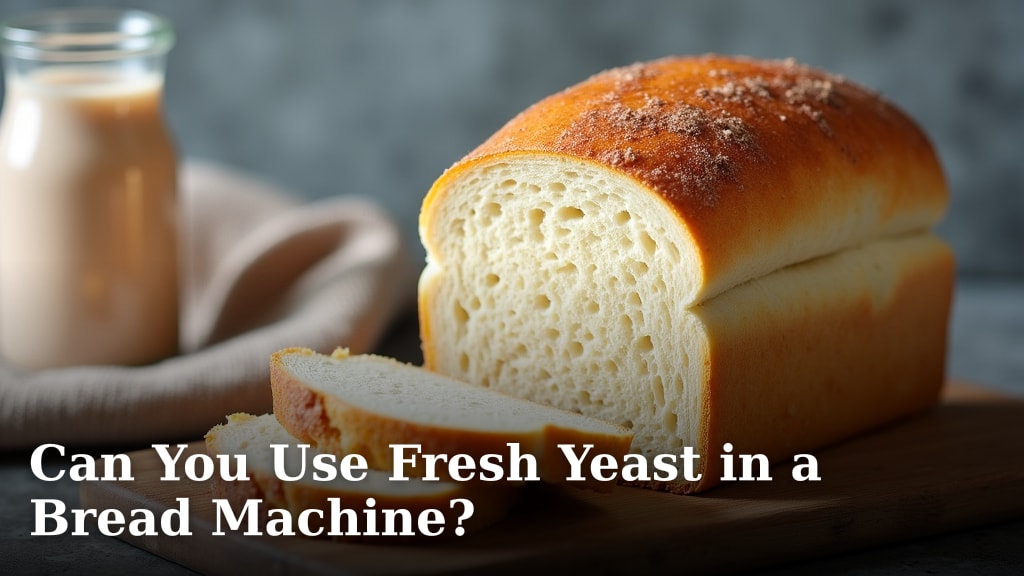
Yes, you can use fresh yeast in your bread machine, but it requires a little adjustment. Your bread machine recipes are typically written for active dry yeast, and fresh yeast behaves differently. You’ll need to adjust the quantity and potentially the timing for the best results.
Many home bakers wonder if they can swap out the common active dry yeast for the moist, crumbled form of fresh yeast. Research indicates that while it’s possible, understanding the conversion rates and how fresh yeast activates is key. Don’t worry, it’s not as tricky as it sounds and can lead to a deliciously different loaf.
- Fresh yeast works in bread machines with adjustments.
- It’s different from active dry yeast.
- You’ll need to change the amount you use.
- Timing might also need a slight tweak.
Let’s break down exactly how to make that fresh yeast work perfectly in your bread machine.
So, you’ve got a block of fresh yeast in your fridge and a hankering for some homemade bread, but your trusty bread machine is calling for active dry yeast. Can you bridge that gap? The short answer is a resounding yes, you absolutely can! It just takes a little know-how to get there. Think of it like swapping out ingredients in your favorite cookie recipe – you can often make a substitution, but you might need to tweak the measurements or cooking time a bit.
Swapping Fresh Yeast for Dry in Your Bread Machine
Your bread machine recipes are almost always calibrated for active dry yeast. This means the amounts and even the way the yeast is introduced are designed around how that specific type of yeast behaves. Fresh yeast, also known as cake yeast or compressed yeast, is a different beast entirely. It’s more alive and active, which is fantastic for flavor, but it does require some adjustments in your bread machine routine.
Understanding the Differences: Fresh vs. Active Dry Yeast
Let’s talk about why you need to make changes. Fresh yeast is essentially a living organism. It’s a compressed block of yeast cells and moisture. Because it contains so much water, it’s more perishable than dry yeast and needs to be stored in the refrigerator. Active dry yeast, on the other hand, has had most of its moisture removed, which makes it more stable and gives it a longer shelf life. For beginners, our guide to the best bread machine yeasts can help you choose.
This difference in moisture content directly impacts how much yeast you need. Fresh yeast is a lot more potent by weight than active dry yeast. It wakes up faster, too. This means you’ll need less of it, and you’ll want to be mindful of its activity in your machine.
The Crucial Yeast Conversion: How Much Fresh Yeast to Use
This is the golden ticket to making fresh yeast work in your bread machine. Since active dry yeast and fresh yeast have different densities and water content, you can’t just do a 1:1 swap. Research and culinary guides consistently recommend a conversion rate. You’ll generally need about three times the amount of fresh yeast compared to active dry yeast by weight.
For example, if your bread machine recipe calls for 2.25 teaspoons (which is roughly 7 grams) of active dry yeast, you would use approximately 21 grams of fresh yeast. It’s always best to weigh your fresh yeast if you can. This ensures accuracy. If you don’t have a scale, you can estimate, but weighing is the most reliable method. Many baking experts suggest this ratio for a reason.
Here’s a handy rule of thumb: Use about 3 grams of fresh yeast for every 1 gram of active dry yeast. This conversion factor is widely accepted in baking communities and supported by many culinary resources.
Weight Matters: Why Measuring is Key
Why the fuss about weight? Because volume measurements for fresh yeast can be tricky. It’s moist and can crumble differently depending on its freshness and temperature. Using a kitchen scale eliminates this guesswork. Weighing your ingredients is a hallmark of serious baking, and it’s especially important when dealing with yeast substitutions.
If your recipe calls for a certain weight of dry yeast, you’ll simply multiply that weight by three for fresh yeast. For instance, if the recipe says 14 grams of active dry yeast, you’ll want about 42 grams of fresh yeast. This isn’t just a random guess; it’s based on the yeast’s metabolic activity and water content (NCBI).
Preparing Your Fresh Yeast for the Bread Machine
Because fresh yeast is so active, you don’t want it sitting around in the ingredient dispenser too long, especially if your machine has a long preheat cycle or a delayed start. The warmth in the machine can cause it to activate prematurely. This could lead to a loaf that rises too quickly and then collapses, or one with a less desirable texture and flavor.
The best practice is to add your fresh yeast closer to the end of the dry ingredient phase. Many bread machines allow you to pause the cycle. If yours doesn’t, you might need to add it manually. Some people find success by placing the fresh yeast in a small dish inside the bread pan once the machine has mixed the dry ingredients. This keeps it separate until the crucial mixing and kneading stages begin.
Another method is to use the “add-in” feature if your machine has one. This allows you to add ingredients partway through the cycle. You’ll want to consult your bread machine’s manual to see if this is an option. If not, a simple pause and manual addition is perfectly fine. We want to ensure the yeast has the right conditions to work its magic.
What to Expect When Using Fresh Yeast in Your Machine
Switching to fresh yeast can offer some wonderful benefits, but it’s good to know what to anticipate. The resulting bread often has a slightly different, sometimes richer, flavor profile. Many bakers find that bread made with fresh yeast has a more complex taste and a wonderful aroma.
Flavor and Texture Differences
Fresh yeast is often praised for imparting a superior flavor to baked goods. Because it’s less processed and contains more moisture, it tends to produce a bread with a softer crumb and a delightful crust. You might notice a slightly more “yeasty” smell during baking, which many find appealing. This is a sign of good, active fermentation.
The texture can also be subtly different. Some bakers report a more tender crumb with fresh yeast. This is attributed to the active enzymes present in the fresh yeast cells that contribute to dough development. It’s a small change, but one that can make your homemade bread even more enjoyable.
Potential for Faster Rising (and Collapse!)
This is where timing becomes super important. Fresh yeast can be more vigorous than active dry yeast. If you add it too early, especially
Conclusion
You absolutely can use fresh yeast in your bread machine with a few smart adjustments! Remember, fresh yeast is more potent, so you’ll typically need about three times the amount by weight compared to active dry yeast. Be mindful of its rapid activity; consider adding it later in the cycle or manually to prevent premature rising. While it requires a little extra attention, the reward is often a loaf with a wonderfully richer flavor and softer crumb. Your next bake with fresh yeast is just a conversion and a mindful addition away!
Frequently Asked Questions
Can I use a 1:1 ratio when substituting fresh yeast for dry?
No, you should not use a 1:1 ratio. Fresh yeast is more concentrated than active dry yeast. Research and baking experts consistently recommend using about three times the amount of fresh yeast by weight to match the activity of active dry yeast.
How do I measure fresh yeast accurately for my bread machine?
Using a kitchen scale to weigh your fresh yeast is the most accurate method. Fresh yeast’s moisture content can make volume measurements unreliable. If your recipe calls for a specific weight of dry yeast, simply multiply that weight by three for the fresh yeast amount. For the most accurate results when using fresh yeast, our guide on how to measure flour for a bread machine also covers how to weigh your fresh yeast.
What if my bread machine recipe doesn’t specify yeast weight?
If your recipe uses volume measurements for active dry yeast (like teaspoons), you’ll need to convert that. A common conversion is that 1 teaspoon of active dry yeast is roughly equivalent to 3 grams. So, if your recipe uses 2.25 teaspoons of dry yeast, you’d aim for about 20-21 grams of fresh yeast.
Will using fresh yeast change the taste of my bread?
Yes, many bakers find that bread made with fresh yeast has a subtly richer and more complex flavor. Because it’s less processed, it can also contribute to a softer crumb and a delightful aroma during baking.
Is it better to add fresh yeast at the beginning or later in the cycle?
It’s often best to add fresh yeast closer to the end of the dry ingredient mixing phase. Fresh yeast activates quickly, and adding it too early, especially with delayed start timers, can cause it to rise too fast and potentially collapse. Check if your machine has an “add-in” feature or pause the cycle.
