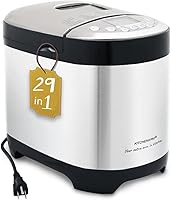
Cuisinart CBK-110 Bread Maker Recipes
Cuisinart CBK-110 bread maker recipes should match the selected loaf size and program. Use a tested recipe as your starting point, measure ingredients carefully, and adjust one detail at a time.
On this page (10 sections)
- How do you adapt Cuisinart CBK-110 bread maker recipes?
- Which cycle should you use for each bread recipe?
- What is a basic Cuisinart CBK-110 white bread recipe?
- How do you make whole wheat bread in the CBK-110?
- How do you make sweet bread or dough in the Cuisinart?
- Why does bread collapse or come out dense?
- How can you adjust a CBK-110 recipe without guessing?
- Which accessories or machines help with recipe work?
- How should you store and serve a machine-made loaf?
- Which Cuisinart CBK-110 recipes should you try first?
Cuisinart CBK-110 bread maker recipes work best when the ingredient amounts match the loaf size and the cycle suits the dough. Start with a recipe made for a bread machine, measure carefully, and check the dough during its first knead.
The CBK-110 offers 1 lb., 1.5 lb., and 2 lb. loaf sizes, plus programs for white, French, whole wheat, sweet, gluten-free, and other uses. That makes recipe choice easier, but it doesn't remove the need to match quantities and settings.
How do you adapt Cuisinart CBK-110 bread maker recipes?
Choose a recipe for your loaf size, then select the program that fits its main flour and method. If a recipe gives only one size, don't assume you can scale it up or down by changing every ingredient proportionally.
Begin with recipes written for bread machines. Their hydration and timing are designed around a machine cycle, while a hand-kneaded recipe may use a different amount of flour or expect a separate rise.
Use a kitchen scale for flour when possible. If measuring by volume, fluff the flour, spoon it into the cup, and level it instead of packing it down.
The manufacturer's Cuisinart bread maker recipes can offer a useful starting point for choosing a compatible machine recipe. The CBK-110's review also covers its programs and controls in more detail: Cuisinart automatic bread maker reviews.
What does a 1 lb., 1.5 lb., or 2 lb. loaf setting change?
The loaf-size setting should match the quantity of dough in your recipe. Use the smallest size that fits the recipe's yield without crowding the pan.
A larger batch can rise too high or bake unevenly if the recipe and setting aren't suited to each other. A small batch in a large setting may also bake differently than intended.
If you're unsure which size a recipe makes, check its total flour and liquid amounts and look for a stated yield. Make a note of the size and result so you can repeat a successful loaf.
Which cycle should you use for each bread recipe?
Select the cycle named for the dough style, not just the color or shape of the finished loaf. White, French, whole wheat, sweet, and gluten-free recipes can need different kneading and rise patterns.
Use the white program for a standard loaf based mainly on bread flour or all-purpose flour. French recipes usually use a lean dough with little or no fat or sugar, while sweet doughs include more enriching ingredients.
For whole wheat, choose a recipe formulated for whole wheat flour and use the whole wheat cycle. The denser flour can absorb liquid differently, so don't substitute it cup-for-cup into a white-bread recipe without checking the dough.
The CBK-110 also has Dough and Artisan Dough programs for recipes that need shaping or baking outside the machine. For those, remove the dough when the cycle ends, shape it as directed, then proof and bake separately.
Can you use the gluten-free program for regular bread?
Use the gluten-free program for a gluten-free recipe, not as a shortcut for ordinary wheat bread. Gluten-free doughs have a different structure and often need distinct mixing and rising.
Follow the flour blend's recipe guidance and avoid adding extra flour just because the mixture looks unlike wheat dough. Many gluten-free bread doughs are wetter and more batter-like.
If cross-contact matters, clean the pan, paddle, utensils, and work surface before preparing the loaf. Choose ingredients labeled for your dietary needs.
What is a basic Cuisinart CBK-110 white bread recipe?
A reliable white loaf starts with the machine's stated ingredient order and a recipe sized for the selected loaf setting. Use a recipe with measured quantities rather than estimating flour or water.
Use this framework to organize a recipe you already trust:
- Select the loaf size specified by the recipe.
- Add liquid ingredients to the pan first.
- Add flour and other dry ingredients over the liquid.
- Keep salt and yeast apart, placing yeast last as directed.
- Choose the matching white bread cycle and crust shade.
- Check the dough early in kneading for a soft, formed ball.
The Cuisinart instructions describe loading liquids first, dry ingredients second, and yeast last. Keep the recipe's ingredient amounts intact for the first bake so you can see how the dough behaves in the machine.
When a recipe calls for an add-in, wait for the machine's signal or the recipe's recommended timing. Adding fruit, nuts, or seeds too early can break them up during kneading.
How do you make whole wheat bread in the CBK-110?
Choose a bread-machine whole wheat recipe and use the whole wheat program. Begin with the recipe's water amount and adjust only after observing the dough during kneading.
Whole wheat flour absorbs more liquid than many refined flours, but the amount varies by grind and brand. A recipe that works with one flour may need a small change with another.
The dough should form a cohesive mass rather than remain as dry crumbs or smear across the bottom of the pan. If it appears clearly too dry or wet, add water or flour in small amounts, allowing the machine to mix before deciding whether it needs more.
Avoid making several changes at once. Record the flour brand, loaf size, cycle, and any adjustment so the next loaf gives you a clear comparison.
How do you make sweet bread or dough in the Cuisinart?
Use a sweet-bread recipe on the sweet program when the loaf will bake in the machine. For dough you plan to shape and bake separately, select Dough or Artisan Dough as the recipe directs.
Sugar, eggs, milk, and fat can change how a dough kneads and browns. Use the recipe's amounts, and choose a crust shade at the start if you want to control browning.
For rolls or a shaped loaf, remove the dough after its cycle, shape it, and allow the separate rise the recipe calls for. The machine's dough programs prepare dough for that additional baking step.
The Amazon Basics machine is another option if you want multiple bread and dough settings. For the CBK-110's specific controls and loaf choices, compare our Cuisinart compact automatic bread maker reviews.
Why does bread collapse or come out dense?
A collapsed or dense loaf often points to a mismatch in yeast, liquid, flour, or loaf size. Change one variable at a time so you can identify what caused the result.
Too much liquid or yeast can make a loaf rise quickly and then sink. Too little liquid, excess flour, or expired yeast can leave it short and dense.
Measure yeast accurately and keep it dry until mixing begins. Check its expiration date and store opened yeast according to the package directions.
Don't open the lid repeatedly during rising and baking. Use the viewing window to check progress when possible, and give the loaf time to cool before slicing so the crumb can set.
How can you adjust a CBK-110 recipe without guessing?
Make small, recorded changes after checking the dough during kneading. A simple log helps separate ingredient changes from cycle or loaf-size changes.
Use a table or notebook with these details:
- Recipe name and source
- Flour type and brand
- Selected loaf size and cycle
- Crust shade
- Any water or flour adjustment
- Whether the dough formed a ball
- The cooled loaf's texture and shape
Start with the recipe unchanged unless the dough is clearly too wet or dry. If it needs correction, add about 1 teaspoon of water or flour at a time, then wait for the machine to mix it in.
Don't change yeast, liquid, flour, and cycle all at once. That makes it hard to tell which adjustment helped.
Which accessories or machines help with recipe work?
A dependable recipe and accurate measuring matter more than extra programs. Consider a machine with more recipe controls only if you often adapt formulas or want settings beyond the CBK-110's preset cycles.
The KITCHENARM machine may suit bakers who want to set cycle times for kneading, resting, rising, and baking. Its provided recipe book includes 77 recipes, which can give you more starting points for machine baking.
Use a scale and measuring spoons if you don't already have them. They help keep recipe trials consistent, especially when adjusting a loaf after observing the first knead.
For broader machine comparisons, see Best Automatic Bread Maker and Best Compact Bread Maker. If your recipe uses a convection model, the cycle and formula discussion in Cuisinart convection bread maker recipes may be more relevant.
How should you store and serve a machine-made loaf?
Let bread cool before slicing, then store it according to when you'll eat it. Cutting while it's hot can compress the crumb and make slices gummy.
Keep bread in a clean bag or covered container at room temperature for short-term use. Freeze extra slices in a sealed bag if you won't finish the loaf soon.
The Cuisinart CBK-110 has an alert that lets you remove the kneading paddle manually before the final rise. Removing it can reduce the hole at the bottom of the finished loaf, though the paddle and pan will be hot.
Which Cuisinart CBK-110 recipes should you try first?
Start with a white loaf that matches your selected loaf size, then try whole wheat or sweet bread once you understand how the dough looks during kneading. Use the dedicated gluten-free cycle only with a suitable gluten-free recipe.
For shaped loaves and rolls, use a dough program and follow the recipe's separate proofing and baking steps. Keep notes on flour, water, cycle, and result so each change has a clear reason.
Frequently asked questions
Can I use any bread machine recipe in a Cuisinart CBK-110?
Many bread machine recipes can be adapted, but check the loaf size and cycle before starting. The CBK-110 supports 1 lb., 1.5 lb., and 2 lb. loaves, so use ingredient quantities that match your selected size.
Choose a program suited to the flour and dough, and watch the first knead for consistency.
What order should ingredients go into the CBK-110?
Add liquids first, dry ingredients second, and yeast last, keeping the yeast away from liquid until mixing begins. Measure each ingredient accurately and follow the recipe's directions for add-ins.
If you use a delayed start, choose ingredients that can safely wait at room temperature.
Which Cuisinart CBK-110 program should I use for whole wheat bread?
Use the whole wheat program for a recipe written for that cycle and loaf size. Whole wheat flour absorbs water differently from white bread flour, so avoid swapping flours without adjusting the recipe.
Check the dough during the first knead and make small corrections only if it looks too wet or dry.
Can the CBK-110 bake a gluten-free loaf?
Yes, the CBK-110 has a dedicated gluten-free program. Use a recipe designed for bread machines and gluten-free flour blends, since these doughs behave differently from wheat dough.
Keep utensils and surfaces free of gluten if you need to avoid cross-contact, and follow the flour maker's handling guidance.