Cuisinart Convection Bread Maker Recipes
For Cuisinart convection bread maker recipes, match the recipe to the loaf size, crust color, and program on your machine. Use 1 lb., 1.5 lb., or 2 lb. settings, load liquids first, then dry ingredients, then yeast, and let the machine mix, knead, rise, and bake.
On this page (11 sections)
- How do Cuisinart convection bread maker recipes work by program?
- What loaf size should you choose for each recipe?
- How do crust settings change Cuisinart bread maker recipes?
- What is the simple loading order for every recipe?
- Can you make dough recipes for oven baking?
- How do gluten-free recipes differ on a Cuisinart machine?
- What sweet, jam, and cake recipes can you make?
- How do delay start and keep warm work for recipes?
- Which machine suits these recipes best?
- How do you clean the pan and paddle after baking?
- What mistakes make Cuisinart recipes fail most often?
For Cuisinart convection bread maker recipes, match the recipe to the loaf size, crust color, and program on your machine. The Cuisinart Compact 2 Lb.
Automatic Programmable Bread maker offers 12 programs, three loaf sizes, and three crust shades.
Load liquids first, dry ingredients second, and yeast last. That order helps the yeast stay dry until mixing starts.
Press the program button, set size and crust, and let the machine handle the rest.
How do Cuisinart convection bread maker recipes work by program?
Each program sets the mixing, kneading, rising, and baking times for a specific type of loaf. White, French, whole wheat, and sweet breads run a full bake cycle in the pan.
Dough and Artisan Dough programs stop before baking. You shape the dough and bake it in an oven.
Jam and cake programs follow their own timing and ingredient rules.
The Gluten Free program uses a profile suited to gluten-free doughs. It is not a standard bread program with a simple swap.
Follow a recipe written for that program.
Our broader guide to Cuisinart bread maker recipes covers basic loaves for several models. Match the amounts to your pan size before you start.
What loaf size should you choose for each recipe?
Choose 1 lb. for small households, 1.5 lb. for daily sandwich bread, and 2 lb. for larger families or sharing. The Cuisinart Compact model bakes all three sizes in a vertical metal non-stick pan.
A vertical pan makes slices that stack well for sandwiches. Smaller loaves bake faster and suit a couple who eats bread slowly.
Larger loaves save effort per slice, but you must eat them before they stale.
Do not fill the pan past the highest mark for your size. Extra dough can push into the lid area during rising.
If a recipe does not state a size, pick the size closest to its flour amount. Measure flour by spooning it into the cup and leveling it, since packed flour can make a dense loaf.
How do crust settings change Cuisinart bread maker recipes?
Light, medium, and dark crust settings change browning for the same recipe. Set the crust at the start, because most machines do not let you change it mid-bake.
Light crust suits soft sandwich bread and sweet breads. Medium is the safe default for white and whole wheat loaves.
Dark crust gives a firmer slice that holds up after toasting.
Convection heat circulates air around the pan, so crust color can deepen faster than in a still oven. If your loaf browns too fast, try the next lighter setting next time.
The viewing window and interior light on the Cuisinart Compact model let you watch the rise. Use them to spot a loaf rising too high.
A loaf that hits the top early may need a smaller recipe next time.
What is the simple loading order for every recipe?
Load liquids first, dry ingredients second, and yeast last in the pan. Add water, milk, oil, or eggs first, then flour, salt, sugar, and other dry items, then yeast on top.
Keep salt and yeast apart until mixing starts. Direct contact can reduce yeast activity in some recipes.
A small well in the flour helps keep yeast dry while you add other items.
Use ingredients at room temperature unless a recipe states otherwise. Very hot liquid can harm yeast, and very cold liquid can slow rising.
The machine will warm the dough during the knead cycle.
Place the pan firmly in the machine and close the lid fully. A loose pan can shift during kneading.
Start the program right after loading, so yeast does not sit too long in liquid.
Can you make dough recipes for oven baking?
Yes, use the Dough or Artisan Dough program when you want to shape and bake bread in your oven. The machine mixes, kneads, and rises the dough, then stops before baking.
Turn the dough onto a lightly floured surface when the cycle ends. Shape it gently, cover it, and let it rise in a warm place.
Preheat your oven while the dough rises again.
Artisan Dough suits shaped loaves, rolls, and braided breads. The longer rise can build flavor for French-style breads.
Judge the second rise by size, not by the clock alone.
For detailed timings and shaping ideas, see Cuisinart CBK-110 bread maker recipes. Those recipes focus on the CBK-110 controls and pan, so check that your model matches before you start.
How do gluten-free recipes differ on a Cuisinart machine?
Gluten-free recipes need the dedicated Gluten Free program and a recipe written for it. Gluten-free doughs do not knead in the same way as wheat doughs, so the timing matters.
Use a flour blend made for bread baking, not a plain all-purpose blend. Add xanthan gum only if your recipe calls for it.
Some blends already include it, and extra gum can make a loaf gummy.
Gluten-free dough is often a thick batter rather than a smooth dough. The paddle will spread it in the pan.
Do not add extra flour just to make it look like wheat dough.
Let the loaf cool before slicing. Gluten-free bread firms up as it cools, and slicing early can make it crumble.
Toasting slices often improves texture for sandwiches.
What sweet, jam, and cake recipes can you make?
Sweet breads, jam, and cake use their own programs and ingredient limits. Sweet breads need sugar and fat for flavor, but too much can slow rising.
Follow the recipe amounts for your loaf size.
Jam programs cook fruit and sugar into a spread. Use jam recipes written for a bread machine, and do not swap in pectin amounts from stovetop recipes.
Keep the lid closed during cooking.
Cake programs bake a batter in the bread pan. Grease the pan if your cake recipe calls for it.
Let the cake cool in the pan for a few minutes before turning it out.
Do not use a bread recipe in the cake program, or a cake recipe in a bread program. The heat and timing differ.
A failed bake often comes from using the right ingredients in the wrong program.
How do delay start and keep warm work for recipes?
Delay start lets you load ingredients early and wake up to fresh bread. The Cuisinart Compact model offers a 13-hour delay start and a 60-minute keep warm function.
Use delay start only with recipes that use shelf-stable ingredients. Milk, eggs, and fresh fruit can spoil during a long delay, so start those recipes right away.
When in doubt, use a shorter delay or no delay.
Load the pan in the same order as always: liquids, dry items, then yeast. Set the program, size, and crust before you set the delay.
Close the lid and press start.
Keep warm holds the finished loaf for 60 minutes after baking. It helps if breakfast starts later than the bake finishes.
Remove the loaf and pan soon after the cycle ends for the best crust.
Which machine suits these recipes best?
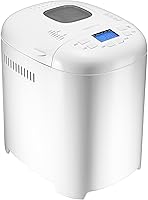
The Cuisinart Compact 2 Lb. model suits readers who want Cuisinart-specific controls for these recipes. It has 12 programs, a 13-hour delay start, three crust shades, and a paddle-removal alert.
The vertical pan makes sandwich-style slices. The viewing window shows the rise, and the interior light helps you check progress.
The audible alert tells you when to remove the paddle before the final rise.
The Amazon Basics model offers 14 settings, ExpressBake in less than 90 minutes, and 3 crust colors. It suits readers who want doughs, gluten-free options, and jams without a Cuisinart badge.
For a side-by-side look at controls and loaf shape, see Zojirushi vs Cuisinart bread maker. That guide helps if you are choosing between brands before you commit to a recipe set.
You can also read Cuisinart automatic bread maker reviews to see how owners rate the CBK-110 for daily use. That review covers controls, pan size, and crust results in more depth.
How do you clean the pan and paddle after baking?
Remove the loaf at once, let the pan cool, then wash it by hand. Hand washing protects the non-stick coating on most bread machine pans.
Do not use metal utensils inside the pan.
Soak the pan in warm water to loosen baked-on crumbs. Use a soft sponge and mild soap.
Dry the pan fully before you store it, so moisture does not sit on the coating.
Wipe the outside of the machine with a dry or slightly damp cloth. Keep crumbs away from the heating area and vents.
Check the paddle shaft for stuck dough after each bake.
If you plan to keep the machine for years, read How Long Do Cuisinart Bread Makers Last?. That guide covers motors, pans, and paddle wear.
For a simpler machine guide for older bakers, see Best Bread Maker For Seniors.
What mistakes make Cuisinart recipes fail most often?
The top mistakes are wrong loaf size, wrong program, and yeast added in the wrong order. Each one can make a loaf dense, pale, or short.
Do not use a 2 lb. recipe on the 1 lb. setting. The pan can overflow, and the bake time will not match the dough mass.
Scale the recipe down or pick the larger setting.
Do not skip the paddle-removal alert. Leaving the paddle in can leave a large hole in the bottom of the loaf.
Remove it when the machine beeps, then close the lid at once.
Do not open the lid during rising or baking unless the recipe tells you to. Temperature drops can stop rising and toughen the crust.
Use the window to check progress instead. Store baked bread in a bread box or a clean bag at room temperature, and freeze extra slices.
Frequently asked questions
What is the best basic recipe for a Cuisinart convection bread maker?
Start with a white or whole wheat bread recipe sized to your loaf setting, using liquids first, dry ingredients second, and yeast last. Choose the matching bread program, select loaf size and crust color, and close the lid.
Let the machine run the full cycle without opening it early.
Can I use the delay start for Cuisinart bread maker recipes?
Yes, if your recipe uses shelf-stable ingredients and your machine offers a delay start. The Cuisinart Compact 2 Lb. model offers a 13-hour delay start and a 60-minute keep warm function.
Load ingredients in the correct order and start the cycle sooner for recipes with perishable ingredients.
How do I keep the kneading paddle from leaving a hole?
Remove the paddle before the final rise when your machine alerts you. The Cuisinart model gives an audible alert for paddle removal.
Grease the paddle shaft lightly if your manual allows it, and do not force the paddle out while the machine is kneading.