Lodge Double Dutch Oven Review: Worth It? (November 2026)
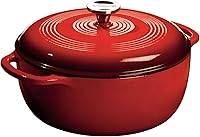
The Lodge Cast Iron Double Dutch Oven suits sourdough bakers who want one 5 quart pot that can also work as a skillet. Its convertible cast iron lid gives you a second cooking surface, while its heavy cast iron body holds heat for bread, braises and stovetop meals.
On this page (11 sections)
- The Lodge Double Dutch Oven at a glance
- Who the Lodge Double Dutch Oven suits best
- Specs that matter in daily use
- How the convertible skillet lid changes cooking
- Setup and first use for bread baking
- Care for seasoned cast iron
- Trade-offs against enamel Lodge models
- Alternatives in this review
- Bread baking performance and limits
- Cleaning, storage and long-term use
- Verdict for this Lodge double Dutch oven review
The Lodge Cast Iron Double Dutch Oven is a 5 quart cast iron pot with a convertible skillet lid, and that two-in-one design is its main appeal in this lodge double dutch oven review. It suits sourdough bakers who also want a skillet for searing and frying.
You get a round cast iron body made for even heat distribution and heat retention. Lodge says the design helps reduce hot spots.
That matters for bread, where steady heat helps the crust set and the crumb cook through.
The lid works as a fitted lid for the pot and as a dual-handle skillet on its own. That gives you a shallow pan for searing meats, frying eggs or finishing vegetables.
We compared the specs, features and buyer patterns for this pot against two enamel Lodge models. Our score weighs specs, features and buyer feedback against what you're shopping for.
The Lodge Double Dutch Oven at a glance
The main pick offers 5 quarts of cast iron cooking space with a lid that doubles as a skillet. Its round shape, 11.15 inch diameter and cast iron lid make it a focused choice for bread baking and stovetop meals.
Lodge Cast Iron Double Dutch Oven: Best for bread plus skillet use

- 5 quart capacity
- 2-in-1 pot and skillet combo
- Round cast iron body
- Cast iron lid
- 11.15 inches diameter
A 5 quart cast iron double Dutch oven with a convertible skillet lid for baking bread and searing on the lid.
Pros
- Convertible skillet lid adds a second cooking surface
- Heavy cast iron holds heat for bread baking
- Works for searing, baking, frying and slow cooking
Cons
- 13.1 pounds is heavy when full
- Hand washing is specified
- Seasoned cast iron needs regular care
The pot weighs 13.1 pounds without food. That weight is normal for cast iron, but it changes how you lift, store and clean it.
Plan a lower cabinet or a stable shelf rather than a high cupboard.
Its listed finish type is enameled in the specs, while Lodge describes the cooking surface as seasoned cast iron made with iron and oil. Treat care as seasoned cast iron care.
Avoid leaving it wet and dry it fully after washing.
The included components are a Dutch oven and lid. The lid material is cast iron.
That pairing keeps the parts simple and explains why the unit can move from pot to skillet without extra attachments.
Who the Lodge Double Dutch Oven suits best
This pot suits home bakers who make sourdough and want a skillet in the same purchase. The 5 quart size handles a standard round loaf with room around it for steam and expansion.
It also suits cooks who braise, simmer and roast in one vessel. Soups, stews and pot roasts benefit from cast iron heat retention.
The lid helps hold moisture during slow cooking.
It suits households that cook indoors and outdoors. Lodge describes the pot as moving from ovens and stovetops to grills and campfires.
That range helps if you bake bread at home and sear or fry outside.
It may not suit you if you want the lightest possible pot. At 13.1 pounds, it is heavy before you add dough, water or food.
People with limited grip strength or shoulder strength should weigh that factor carefully.
It may also not suit you if you want no seasoning upkeep. Seasoned cast iron rewards regular drying and light oiling after use.
If that routine sounds like work, an enamel model may fit better.
Specs that matter in daily use
The specs that matter most are capacity, diameter, weight and lid design. For help comparing Lodge Dutch oven sizes, use the guide before choosing.
This model holds 5 quarts, or 4.75 liters, and measures 11.15 inches across.
That diameter shapes which loaves and cuts of meat fit without crowding.
The height is 5.55 inches. That low profile helps in many ovens, but you still need space for the lid and for lifting it safely.
Check the rack position before you preheat with the pot inside.
The weight is 13.1 pounds. A full pot of soup will weigh much more.
Use two hands, oven mitts with grip and a clear path to the stove or table.
The round shape helps with sourdough because most boules are round. It also spreads heat around the sides.
A round pot can be easier to turn on a stovetop than a wide oval for some burner layouts.
The temperature rating is 315 degrees Celsius. Lodge also describes the pot as oven safe.
Read can a Lodge Dutch Oven go in the oven for context on oven use before you bake at high heat.
How the convertible skillet lid changes cooking
The lid changes this pot from a single-purpose Dutch oven into a pot and skillet combo. You can sear on the lid, then transfer food to the pot for braising or baking.
That cuts down on pans during a meal.
For bread, the lid is not the main tool. The pot traps steam around the dough.
The lid's weight and cast iron mass help hold heat during the bake.
For stovetop meals, the lid as a skillet gives you a shallow surface. It can sear chicken, fry eggs or brown vegetables.
Then you can cook the rest of the meal in the deeper pot.
The dual-handle skillet design matters for balance. Two handles spread the load when the lid is full and hot.
Use mitts on both sides, even when the skillet looks shallow.
Lodge describes the design as expanding options for searing, baking, frying and more. That claim fits the shape.
A shallow cast iron lid heats fast and holds heat, which is useful for browning before a slow cook.
Setup and first use for bread baking
Set up the pot on a stable rack with room to lift the lid safely. Preheat the oven and pot as your recipe directs, since a cold pot slows the bake and changes the crust.
Check clearance with the lid on. You need space above the pot to remove the lid without hitting the top element, and the handles must clear the oven walls.
Use parchment or a liner if your recipe calls for it. Our picks for the best Lodge Dutch Oven liners can help you compare styles, and liners reduce sticking and make lifting a loaf easier.
Lower the dough in with a sling or parchment edges, not bare hands, as the pot already weighs 13.1 pounds. For a ceramic bread-baking alternative, see Emile Henry bread bakers.
Close the lid for the steamy part of the bake, then remove it to finish browning.
Care for seasoned cast iron
Care starts with washing, drying and seasoning the surface after use. Lodge specifies hand washing for this pot.
Wash it with warm water and a brush or cloth, then dry it right away. Do not let water sit on the iron, as that step helps prevent rust on seasoned cast iron.
Towel dry it, then place it on low heat for a minute or two if needed to remove all moisture. Apply a thin layer of oil after it is dry and warm, and wipe off excess so the surface feels dry, not sticky.
Avoid harsh scrubbing that strips seasoning. A stiff brush handles most stuck-on food, and for burnt spots you can soak briefly, scrub gently and then re-season the affected area.
Store it dry with air flow. If you stack the lid, make sure both pieces are fully dry.
Our guide on how to season a Lodge Dutch Oven breaks down the process step by step. Seasoning is not a one-time task, and it improves with regular use when you maintain the surface.
Trade-offs against enamel Lodge models
The trade-off is seasoned cast iron care versus enamel ease. The double Dutch oven gives you a skillet lid and a traditional iron surface.
The enamel models give you a porcelain surface that resists stains and acidic foods.
Capacity also differs. The double Dutch oven holds 5 quarts, while the two enamel alternatives hold 6 quarts.
That extra quart helps with large braises, family soups and bigger roasts.
Weight differs too. The double Dutch oven weighs 13.1 pounds.
The Island Spice Red enamel model weighs 13.5 pounds, and the Oyster White enamel model weighs 14.9 pounds.
Heat behavior is strong in all three, as cast iron holds heat and spreads it evenly. Enamel does not change that core advantage, so the difference is in cleanup, food acidity and lid function.
Choose the double Dutch oven if the skillet lid matters to you. Choose enamel if you cook tomato sauces, marinades and acidic dishes often.
For a wider view of Lodge options, our page on the best Lodge Dutch Oven compares models by use.
Alternatives in this review
The alternatives below are two enamel Lodge Dutch ovens with 6 quart capacity. They suit cooks who want the same cast iron heat retention with a different surface.
Each one has a unique badge and score because its color and weight differ.
Lodge Essential Enamel Island Spice Red
This model holds 6 quarts and weighs 13.5 pounds. Its enamel surface stands up to acidic ingredients and will not react with food.
Lodge says it is PFAS free and oven safe up to 500 degrees Fahrenheit.
The dual handles help you move it from stovetop to oven or table. The round shape fits bread baking, braising, marinating and slow cooking.
Hand washing with warm soapy water and a nylon brush is recommended.
Lodge Essential Enamel Oyster White
This model holds 6 quarts and weighs 14.9 pounds. It shares the enamel benefits of the red model, including stain resistance and heat retention.
The Oyster White finish gives you a lighter look in the kitchen.
It is the heaviest of the three. Check your lifting comfort and storage height before you choose it.
Lodge recommends hand washing to keep the enamel in good shape.
Bread baking performance and limits
For bread, this pot gives you steady heat and steam retention. The fitted cast iron lid holds moisture and heat to support a crisp crust and an even sourdough bake.
The 11.15 inch diameter fits many round loaves. Larger doughs may touch the sides, which can limit expansion and make the loaf stick to the wall.
The 5.55 inch height is compact, so tall loaves need headroom. Check the height of your dough after proofing, not just the size of the mixing bowl.
The heavy base also browns well, giving the bottom direct heat that can help oven spring and crust color when the pot is fully preheated. For sandwich or rectangular loaves, a loaf pan will shape the dough better than a round Dutch oven.
Our Best Dutch Oven For Artisan Bread guide compares shapes and sizes if you bake several bread styles and want to match the pot to the loaf.
Cleaning, storage and long-term use
Long-term use depends on dry storage and light seasoning after washing. The pot is made in the USA by Lodge Manufacturing Company.
Hand wash only is the care instruction for this model, so avoid the dishwasher. Dishwasher detergents and long exposure to water can harm seasoning.
Use a brush for most cleanup. For stuck-on bread or burnt sugar, warm water and a scraper made for cast iron can help.
Rinse, dry and oil the surface after scrubbing.
Weight affects storage. At 13.1 pounds, store it low, since a heavy pot on a high shelf creates risk when you lift it down.
Keep the lid and pot in a place you can reach with both hands.
The PFAS-free, non-toxic finish matters to many buyers. Lodge says the cookware is made with iron and oil and is PFAS free.
The specs list the color as Cast Iron. That finish shows less than a light enamel and pairs with the seasoned surface rather than a colored coating.
Verdict for this Lodge double Dutch oven review
The verdict is that the Lodge Cast Iron Double Dutch Oven is the best fit here for bread bakers who want a skillet lid. Its 5 quart size, cast iron heat retention and two-in-one design make it a strong multi-use pot.
Pick the Island Spice Red enamel model if you want 6 quarts and a stain-resistant surface for acidic foods. Pick the Oyster White enamel model for the same enamel benefits in a lighter color.
Pick the double Dutch oven if the convertible lid and seasoned iron surface matter more than extra capacity.
Before you order, measure your oven and check handle clearance. Also check your storage shelf height and lifting comfort, since those practical checks matter as much as capacity.
If you want oven guidance first, read can a Lodge Dutch Oven go in the oven. If you want care steps, read how to season a Lodge Dutch Oven.
For color and finish choices across the range, see lodge Dutch oven colors.
Frequently asked questions
What is the Lodge Cast Iron Double Dutch Oven best for?
It suits bread baking and skillet cooking in one unit. The 5 quart cast iron pot holds heat for sourdough, and the convertible lid can be used as a dual-handle skillet for searing.
It also works for soups, stews, braises and roasting.
How big is the Lodge Cast Iron Double Dutch Oven?
It holds 5 quarts and measures 11.15 inches in diameter. The full dimensions are 11.15 x 11.15 x 5.55 inches and it weighs 13.1 pounds.
That size fits many sourdough loaves, but check your oven height and handle clearance first.
How do you care for the Lodge Cast Iron Double Dutch Oven?
Hand wash it and dry it completely after use. Lodge describes the finish as seasoned cast iron made with iron and oil, so avoid long soaks and harsh scrubbing.
Seasoning helps protect the surface, and our guide to how to season a Lodge Dutch Oven explains the basic steps.
Is enamel or seasoned cast iron better for bread?
Both hold heat well for bread baking. Seasoned cast iron suits bakers who want a skillet lid and a traditional surface.
Enamel suits cooks who want a stain-resistant surface for acidic foods and easier cleanup.
Your cooking habits should decide the choice.
Can a Lodge double Dutch oven go in the oven?
Yes, Lodge describes this pot as oven safe for indoor and outdoor use. It moves from ovens and stovetops to grills and campfires.
For temperature limits and general oven guidance, read can a Lodge Dutch Oven go in the oven before your first bake.