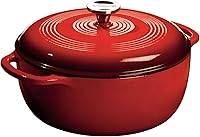
What Is the Standard Loaf Pan Size?
The standard loaf pan size for most recipes is 8.5 x 4.5 inches. A 9 x 5 inch pan is the other common size, and glass pans often run a little larger inside. Match the pan size your recipe was written for before you change bake time.
On this page (12 sections)
- What is the standard loaf pan size for most recipes?
- How do loaf pan dimensions work?
- What size is a glass loaf pan?
- How does capacity help you match a pan to a recipe?
- Which loaf pan size fits banana bread and quick bread?
- Which loaf pan size fits sandwich bread and yeast bread?
- How do you convert a recipe from one loaf pan size to another?
- When should you choose a mini, extra long or extra large pan?
- What material should you pick for loaf pan size and shape?
- How should you fill, bake and clean a standard loaf pan?
- Final check: how do you pick the right loaf pan size today?
- About this guide
The standard loaf pan size is 8.5 x 4.5 inches, and that size fits most recipes you will find for banana bread, pound cake and sandwich bread. A 9 x 5 inch pan is the main alternative, so the first job is to spot which one your recipe expects.
Pan size changes loaf height, crumb and bake time. A pan that is too large gives a flat loaf, and a pan that is too small can spill over the rim.
This guide explains loaf pan dimensions, glass loaf pan sizes and capacity in plain terms so you can match a pan to a recipe with confidence.
Our full loaf pan buying guide covers materials, coatings and care if you want the wider picture. For now, focus on size, because size leads every other choice.
What is the standard loaf pan size for most recipes?
The standard size is 8.5 x 4.5 inches, measured across the top rim. Depth is usually about 2.5 to 2.75 inches, and that depth sets how high batter can rise.
Recipes written for this size usually call for a 1 pound loaf. That label refers to the pan class, not the weight of finished bread.
Fill the pan about one half to two thirds full with batter or dough and you are in the normal range.
A 9 x 5 inch pan holds more and gives a wider, shorter loaf. Both sizes are normal, which is why confusion is common.
The recipe should name the size, and you should follow it before you adjust anything else.
Standard loaf pan size vs 9x5: which one is more common?
An 8.5 x 4.5 pan is the safest default for a first loaf. It suits many quick breads, pound cakes and yeast breads that were tested in that exact pan.
A 9 x 5 pan suits recipes that call for more batter or a wider slice. Our best 9x5 loaf pan picks cover that size if your recipe names it.
Do not swap sizes and keep the same bake time without checking the center.
The USA Pan pan in the box above is a clear example of the standard class. Its baking dimensions are 8.5 x 4.5 x 2.75 inches, and it holds 4 cups.
That makes it a useful reference point when a recipe just says standard loaf pan.
Rule: start with 8.5 x 4.5 unless your recipe names 9 x 5.
How do loaf pan dimensions work?
Loaf pan dimensions are listed in length x width x depth, usually measured at the top opening. Length runs the long way, width runs across, and depth is the height of the wall.
Taper matters inside the pan. Many metal pans are slightly narrower at the base than at the top, so the bottom of the loaf ends up smaller than the top.
Glass pans often keep straighter walls, which changes how slices stack.
Outside size and inside size are not the same. A rim, rolled edge or handles add to the outside width.
Recipes care about the inside space where batter sits, so compare inside measurements when you can.
Capacity is a helpful cross check. A pan listed at 4 cups will hold less batter than a pan listed at 6 cups, even if the top openings look close.
Depth drives much of that gap because extra height adds volume fast.
Rule: compare top opening, depth and capacity together, never one number alone.
What size is a glass loaf pan?
A glass loaf pan often measures near 9 x 5 inches or 8.5 x 4.5 inches at the top, but makers vary. For covered options, see our glass bread pans with lids.
Glass walls are thicker than metal walls, so the inside space is smaller than the outside size suggests.
That difference can surprise you. A glass pan with a 9 inch outside length may hold a little less batter than a metal pan with the same outside length.
Always check capacity and inside dimensions for glass.
Glass also heats and holds heat in its own way. Batter in glass can brown more on the sides and keep cooking after you pull it from the oven.
Many bakers lower oven heat a little for glass, then check the center.
The OXO glass dish is marked 6 x 10 inches and lists capacity at 1.6 qt. Its borosilicate glass is thermal shock resistant, so it can move from fridge or freezer to oven or microwave.
That trait suits bakers who prep ahead and bake the same dish later.
Rule: for glass loaf pan sizes, trust capacity and inside size over the outside label.
How does capacity help you match a pan to a recipe?
Capacity tells you how much batter the pan can hold with room to rise. A standard 8.5 x 4.5 pan works well near 4 cups, while a larger pan may work near 6 cups.
Use capacity as a sanity check when two pans look similar. If a recipe fills an 8.5 x 4.5 pan two thirds full, that same batter will look thin in a 6 cup pan.
The loaf will bake faster and slice thinner.
Mini pans are a different class. The Wilton pan below has 8 cavities at 3.28 x 2.5 inches each, with total capacity listed at 13 cups across the whole pan.
That total does not mean one loaf gets 13 cups. Each cavity is for a small loaf.
This Wilton pan measures 15 inches long, 10 inches wide and 1.6 inches deep as a whole unit. It suits mini cakes, brownies and small breads baked in a batch.
It is not a swap for a standard loaf pan when a recipe calls for one full loaf.
Rule: match capacity per loaf, not total capacity across cavities.
Which loaf pan size fits banana bread and quick bread?
Banana bread and most quick breads fit best in 8.5 x 4.5 inches unless the recipe names another size. That pan gives a tall loaf with slices that hold butter and spreads well.
A 9 x 5 pan also works for banana bread, but the loaf will be wider and a little shorter. Bake time can drop, so start checking the center early.
Toothpick tests and a set center matter more than the clock.
For a dedicated search, our best loaf pan for banana bread guide focuses on pans that release moist batter cleanly. Moist batter needs a sound nonstick or well greased surface, plus enough depth for rise.
Mini loaves work for gifting and portion control. If you want many small banana breads, a mini cavity pan beats cutting one standard loaf into small slices.
Flavor stays the same, but portion size changes.
Rule: use 8.5 x 4.5 for a classic banana bread loaf, and check early if you use 9 x 5.
Which loaf pan size fits sandwich bread and yeast bread?
Sandwich bread usually wants 8.5 x 4.5 inches for tall, even slices. The narrow width keeps slices square enough for sandwiches, and the depth gives room for dough to rise.
Yeast dough needs headroom. Fill should stay well below the rim so dough can expand without spilling.
A pan that is too shallow forces dough over the edge, while a pan that is too deep can leave a tight top.
Our best loaf pan for sandwich bread guide covers pans that suit soft sandwich loaves. If you bake sourdough sandwich bread, see best loaf pan for sourdough sandwich bread for that specific dough style.
A lid changes the shape. For covered ceramic options, see our ceramic bread pans with lids.
A covered pan gives a flatter top and a tighter crumb, which can suit sandwich bread.
Our best bread loaf pan with lid roundup covers those covered options for bakers who want that shape.
Rule: pick 8.5 x 4.5 for sandwich bread unless the recipe calls for a wider pan.
How do you convert a recipe from one loaf pan size to another?
Conversion starts with capacity, not length alone. Measure batter volume in cups, then compare pan capacity and fill level.
If you move batter from a 4 cup pan to a 6 cup pan, the batter will spread thinner. Start checking bake time 10 to 15 minutes early and test the center.
The loaf may need a little less time, not more.
If you move batter from a larger pan to a smaller pan, do not force it in. Split the batter into two pans or cut the recipe in half.
An overfilled small pan can overflow and bake unevenly.
Depth also matters in conversion. A deep pan holds batter higher and can need more time in the center.
A shallow pan sets faster but can dry out if baked too long.
Rule: convert by cups and fill level, then adjust time by checking the center.
When should you choose a mini, extra long or extra large pan?
Mini pans suit portion control, gifting and fast baking. Each cavity bakes quickly, so you can make many small loaves from one batch of batter.
The Wilton mini pan above is built for that job.
Extra long pans suit bakers who want long sandwich slices. Our best extra long loaf pan guide covers that shape if standard sizes feel too short for your needs.
Extra large pans suit big families, potlucks and recipes written for a large yield. Our best extra large loaf pan guide covers that end of the range.
Check oven space before you buy, because a large pan can crowd airflow.
Disposable pans suit transport and cleanup. Our best disposable loaf pans with lids guide covers those for bake sales and gifting.
Heat distribution can differ from metal, so watch browning.
Rule: choose mini, long or large only when portion size or the recipe calls for it.
What material should you pick for loaf pan size and shape?
Material affects browning, release and how glass loaf pan sizes feel in daily use. Aluminized steel, aluminum, carbon steel and glass each handle heat in a distinct way.
The USA Pan standard pan uses aluminized steel with a silicone nonstick coating. Its corrugated surface helps air circulate and adds strength.
USA Pan says folded construction helps the pan resist warping, and care is hand washing with hot water, mild soap and a gentle brush or sponge.
The Wilton mini pan uses heavy duty aluminum in one bullet and carbon steel in its spec list, with a premium nonstick coating. It is oven safe to 450 F and dishwasher safe.
Treat that mix as a cue to follow care guidance for that exact pan, not as a general rule for all metal pans.
Glass brings a clear view of browning and doubles as a serving dish. The OXO glass dish is microwave safe, oven safe, freezer safe and dishwasher safe, and it is BPA free and PVC free.
That mix suits make ahead baking and table service.
If you are torn between pan types, loaf pan vs cake pan explains when a cake pan can work and when a loaf pan is better. Bread pan vs loaf pan clears up a naming overlap that confuses many buyers.
Rule: pick material for browning and release, then confirm size fits your recipe.
How should you fill, bake and clean a standard loaf pan?
Fill a standard loaf pan one half to two thirds full with batter or dough. That range leaves room for rise and keeps batter off the rim.
Grease or coat the pan based on its surface. Nonstick pans still benefit from a light grease for some recipes, while glass often needs a clear grease on the sides for clean release.
Scrape batter from the rim before baking so the top browns evenly.
Cool the loaf in the pan for about 10 minutes before turning it out. That short rest helps the crumb set and reduces tearing.
Use a thin spatula around the edges if the loaf sticks.
Care depends on the pan. The USA Pan pan calls for hand washing with hot water, mild soap and a gentle brush or sponge.
The Wilton mini pan is listed as dishwasher safe. The OXO glass dish is listed as dishwasher safe.
Follow the care for the pan you own, and avoid harsh scrubbing on nonstick surfaces.
Our best loaf pan for pound cake guide covers dense batter that needs strong release. Our best loaf pan for air fryer guide covers smaller oven spaces.
Our best loaf pan for sourdough bread guide covers sourdough pans and shapes.
Rule: fill to two thirds at most, cool briefly, then clean by the pan's own care.
Final check: how do you pick the right loaf pan size today?
Pick 8.5 x 4.5 inches for most standard loaf recipes, 9 x 5 inches when the recipe names that size, and glass by capacity when you choose a glass dish. That order solves most size questions fast.
If you bake in a bread maker too, compare pan size with What Is The Best Loaf Size For A Bread Maker?. Machine pans and oven pans follow different size logic.
What Are Bread Maker Pan Sizes? helps if you switch between machine and oven baking.
Loaf pans with holes in the bottom are a niche choice. Our loaf-pan-with-holes-in-bottom guide explains when that design helps and when a solid base is better.
For buying sets, see best loaf pan set.
Final rule: let the recipe size lead, use capacity to confirm, and adjust bake time when you change pans.
About this guide
We compared specs, features and buyer patterns for standard loaf pan size, loaf pan dimensions and glass loaf pan sizes. We looked at the three pans in this guide and checked how each size and capacity fits common recipes.
The next step is simple: open your recipe, find the pan size, and match it before you preheat the oven.
Frequently asked questions
What is the standard loaf pan size?
The standard loaf pan size is 8.5 x 4.5 inches for most quick bread, yeast bread and pound cake recipes. A 9 x 5 inch pan is also common and holds more batter.
Check the recipe pan size first, because the two sizes bake differently.
What size is a glass loaf pan?
Glass loaf pans vary by maker, and many sit near 9 x 5 inches or 8.5 x 4.5 inches on the outside. The inside size and depth matter more for batter fit.
OXO lists its glass dish at 6 x 10 inches in the marking and 1.6 qt capacity.
Can I use a 9x5 pan for an 8.5x4.5 recipe?
You can, but the loaf will be shorter and bake faster because the batter spreads thinner. Fill a 9 x 5 pan about two thirds full and start checking bake time early.
A larger pan can also need less time to set in the center.
What is the capacity of a standard loaf pan?
An 8.5 x 4.5 x 2.75 inch pan holds about 4 cups in practical baking terms. That is the size of the USA Pan 1 pound pan described here.
Capacity helps you judge batter fill, but depth and taper change the real fit.