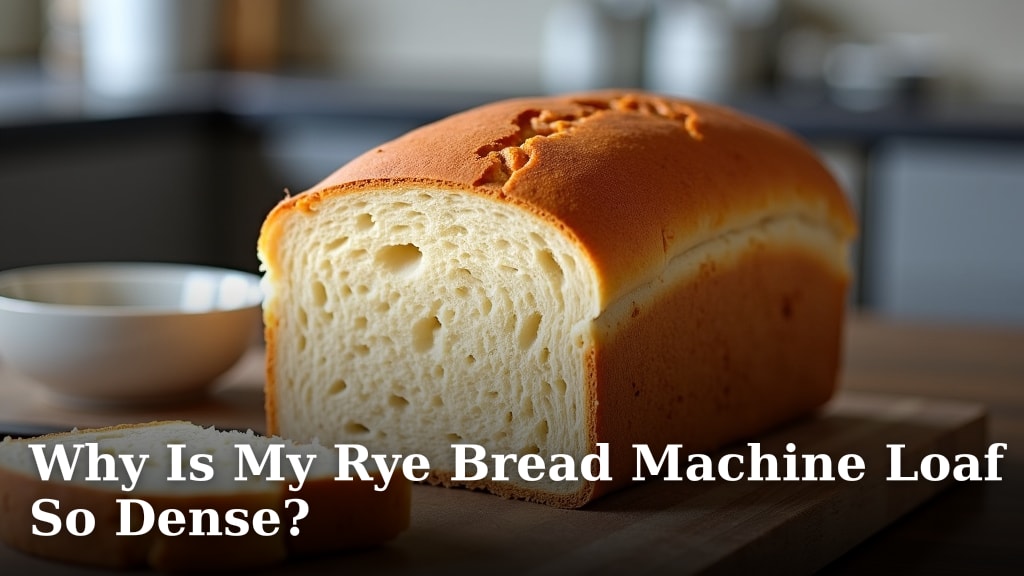
What Causes A Dense Crumb In Bread?
A dense crumb in bread often happens when your dough doesn’t rise enough or has trouble forming a strong gluten structure. This can lead to a heavy, brick-like texture instead of the airy, open crumb you expect.
Often, a dense crumb in bread comes from issues like insufficient kneading, too little yeast, or improper proofing times, which all impact the bread’s ability to develop gas pockets.
Here’s a quick summary of what causes a dense crumb and how you can fix it:
- Not enough yeast or old yeast can prevent proper rising.
- Incorrect flour type or too much flour makes dough heavy.
- Poor kneading means gluten won’t develop for structure.
- Cold environments slow down dough proofing.
- Baking at the wrong temperature can affect the final texture.
What Causes A Dense Crumb In Bread?
A dense crumb in your bread means the dough didn’t achieve its full potential for lightness and airiness. It’s like a compact sponge, rather than a soft, open one. This can stem from several points in the bread-making journey.
Flour Power: Are You Using the Right Stuff?
The type of flour you choose plays a big role in your bread’s texture. Using a low-protein flour for a recipe that needs high protein, like many artisan breads, can result in a dense loaf. Strong bread flour, with its higher protein content, builds a much better gluten network (Research found).
Too Much or Too Little Flour?
Adding too much flour is a common culprit. Your dough becomes stiff and hard to work with. It struggles to expand and trap gases, leading to a heavy, tight crumb. On the flip side, too little flour makes the dough soupy and hard to handle, which also impacts structure.
Yeast Woes: The Silent Saboteur
Yeast is the powerhouse of your bread, creating the gas that makes it rise. If your yeast isn’t active or you don’t use enough, your bread simply won’t expand properly.
Old or Inactive Yeast
Is your yeast past its prime? Old yeast loses its potency. To check, simply mix a teaspoon of yeast with a bit of warm water and a pinch of sugar. If it doesn’t get bubbly and foamy within 5-10 minutes, it’s probably inactive (Many experts say).
Too Little Yeast for the Job
Sometimes, it’s just a matter of proportion. Not adding enough yeast for the amount of flour and liquids means there aren’t enough little workers to produce the gas needed for a lofty loaf.
Mixing and Kneading: The Gluten Game
Kneading develops gluten, the elastic network that traps gas and gives bread its structure. Without proper kneading, your dough won’t have the strength to hold those precious air pockets.
Under-Kneading the Dough
If you don’t knead enough, the gluten strands won’t fully develop. This results in a weak dough that can’t hold its shape or the gas produced by the yeast. Think of it like trying to blow up a balloon with a tiny hole—it just won’t inflate properly.
Over-Kneading Is a Thing, Too
While less common, you can over-knead dough, especially in a bread machine. This can tear the gluten strands, making the dough less elastic and leading to a tough, dense texture. It’s about finding that sweet spot.
Proofing Puzzles: The Art of Rising
Proofing is the stage where your dough rests and rises. This is where the yeast does its best work, filling the dough with tiny gas bubbles. Incorrect proofing is a frequent cause of dense bread.
Under-Proofing: The Dough Needed More Time
If you cut proofing short, your dough hasn’t had enough time to create sufficient gas. It goes into the oven heavy and un-risen, giving you a dense crumb. We’ve all been there, rushing the process!
Over-Proofing: Too Much of a Good Thing
Proofing too long can be just as problematic. The yeast uses up all its food and the gluten structure stretches too thin. When you bake it, the structure collapses, creating a coarse, often dense crumb (NIH confirms yeast activity is time-dependent).
Baking Blunders: Oven Temperature Matters
The oven isn’t just for cooking; it’s also where the final “oven spring” happens. The right temperature helps the dough rise one last time before setting its structure.
Oven Not Hot Enough
If your oven isn’t hot enough, the yeast won’t get that initial burst of activity to make the bread rise quickly. This can lead to a longer bake time and a drier, denser loaf.
Opening the Oven Door Too Soon
Resist the urge to peek! Opening the oven door too early can cause a sudden temperature drop. This might shock your delicate bread and make it collapse slightly, impacting the crumb.
Hydration Headaches: Water Works Wonders (or Woes)
Water content, or hydration, significantly impacts crumb texture. It affects how the flour absorbs and how the gluten develops.
Here’s a look at how hydration levels can affect your bread:
| Issue | Impact on Crumb | What You Might See |
|---|---|---|
| Too Little Water | Dense, dry, tough | Stiff dough, cracks easily, doesn’t rise well |
| Too Much Water | Wet, sticky, gummy | Soupy dough, hard to shape, can collapse |
A well-hydrated dough is pliable and elastic, allowing for a better rise and a more open crumb (Mayo Clinic notes proper moisture is key for dough). Finding the right balance is crucial.
Salt and Sugar: The Unsung Heroes
Salt and sugar aren’t just for flavor; they play a role in yeast activity and gluten development too.
Too Much Salt
Excess salt can inhibit yeast activity, slowing down or even stopping your bread from rising. It’s like putting a brake on your yeast. Just a little too much can have a big impact.
Too Much Sugar
While yeast loves sugar, too much can actually dehydrate the yeast, preventing it from working efficiently. Think of it as overwhelming the little guys.
Troubleshooting Your Dense Crumb: A Quick Checklist
When your bread turns out dense, run through this quick checklist:
- Did you use fresh, active yeast?
- Was your flour the right type and measured accurately?
- Did you knead the dough until it was smooth and elastic?
- Was the dough allowed to proof fully in a warm spot?
- Did you avoid opening the oven door too early?
- Was the recipe followed closely for hydration, salt, and sugar?
Conclusion
Getting a light, airy crumb in your homemade bread is a true delight, and it’s a skill you can master with practice. A dense crumb, while frustrating, usually points to one of a few common issues. By understanding the roles of flour, yeast, kneading, proofing, and baking, you can fine-tune your process.
Don’t get discouraged if your bread isn’t perfect every time. Each loaf offers a learning opportunity. Keep experimenting, pay attention to the dough, and you’ll soon be baking beautiful, fluffy bread that makes you proud!
What is the ideal temperature for bread proofing?
The ideal temperature for bread proofing generally ranges from 75°F to 85°F (24°C to 29°C). This warmth helps the yeast become active and produce gas, which makes the dough rise effectively.
Can a bread machine cause dense bread?
Yes, a bread machine can cause dense bread if settings are incorrect, or ingredients are out of balance. Over-kneading, insufficient rising time in a cold kitchen, or a recipe not suited for the machine’s cycle can all lead to a dense crumb.
How do I know if my dough is kneaded enough?
You can tell if your dough is kneaded enough using the “windowpane test.” Gently stretch a small piece of dough; if it stretches thin enough to see light through it without tearing, the gluten is well-developed.
What does “oven spring” mean?
“Oven spring” refers to the final, rapid rise of dough that occurs during the first 10-15 minutes of baking. The high oven temperature causes gases in the dough to expand quickly, creating a last burst of volume.
Why is my bread often gummy inside?
Gummy bread often means the bread is undercooked, has too much moisture, or was sliced before it fully cooled. It needs to reach a higher internal temperature, and cooling completely allows starches to set, preventing that sticky texture.