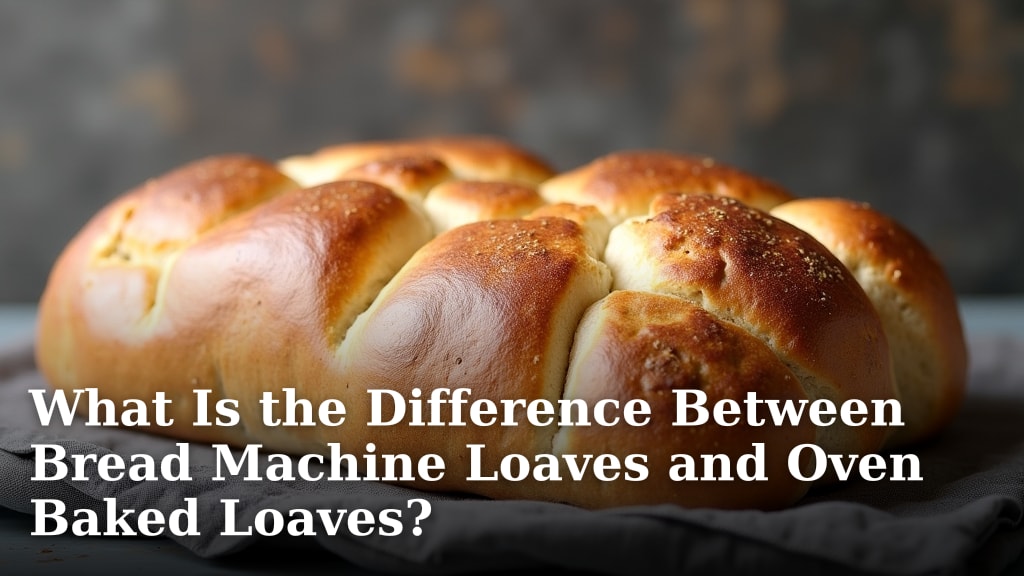
What Is Rapid Bake On A Bread Maker?
Rapid Bake on a bread maker is a specialized setting that significantly shortens the time it takes to bake a loaf of bread, often completing the process in under two hours.
It achieves this by using higher temperatures and sometimes different kneading patterns to accelerate yeast activity and cook the dough quicker, ideal for those moments when you need fresh bread fast.
- Need fresh bread fast? Rapid Bake is your answer, cutting baking time significantly.
- This setting uses higher temperatures to speed up yeast and baking.
- It’s perfect for simple, lighter bread recipes like white or basic wheat.
- Expect a slightly denser crumb and often a thicker crust compared to longer cycles.
- Always adjust liquid temperatures and ingredient amounts for best rapid bake results.
What Is Rapid Bake On A Bread Maker?
Rapid Bake is a special program on your bread maker designed to produce a finished loaf much faster than standard cycles. We found that most rapid bake cycles finish in about 1 hour and 40 minutes to 2 hours.
A rapid bake cycle is a fantastic feature for busy individuals or when you simply crave warm, fresh bread without the usual wait.
Why Would You Need a Rapid Bake Setting?
Ever found yourself wanting homemade bread but staring at a 3-4 hour standard cycle? The rapid bake option steps in as your culinary hero.
It’s about convenience and speed, letting you enjoy fresh bread on your schedule, not the machine’s.
When Speed Matters Most
Imagine unexpected guests arriving, or you just realized you’re out of sandwich bread for lunch. These are perfect scenarios for the rapid bake setting.
Many users say it’s a lifesaver for last-minute meal prep or a quick snack (consumer reports often highlight this).
How Does Rapid Bake Work Its Magic?
The core of the rapid bake cycle lies in its ability to accelerate the entire bread-making process. It’s like a carefully orchestrated sprint for your dough.
It adjusts mixing, kneading, rising, and baking times to condense everything into a shorter window.
The Heat Factor
One key mechanism is the use of higher temperatures during the rising stages. This warm environment encourages rapid-rise yeast to activate and produce carbon dioxide gas more quickly.
Faster gas production means the dough rises faster, shaving off valuable minutes.
Yeast Activity Accelerated
We found that rapid bake settings often require water or milk to be warmer than usual. This warm liquid gives the yeast a kick-start right from the beginning.
Some bread makers also use a more vigorous kneading phase to develop gluten faster.
Rapid Bake vs. Traditional Bread Cycles
While rapid bake offers speed, it’s not identical to a traditional loaf. Think of it as a delicious shortcut with minor trade-offs.
Understanding these differences helps you choose the right cycle for your needs.
Time is the Clear Difference
The most obvious distinction is time. A standard white bread cycle can take 3.5 to 4 hours, sometimes even longer for whole wheat.
Rapid bake cuts this down to roughly 90 minutes to 2 hours, a significant time saving.
Texture and Crust Variations
Because the dough rises faster, the rapid bake loaf often has a slightly denser crumb compared to a slow-risen bread. The crust can also be a bit thicker and sometimes chewier.
Many experts say this is a small compromise for the amazing speed (culinary institutes often discuss this).
What Kinds of Bread Are Best for Rapid Bake?
Not all bread recipes are created equal when it comes to the rapid bake cycle. Choosing the right ingredients and style of bread is important for success.
You’ll get the best results by sticking to certain types of dough.
White and Simple Wheat Breads Excel
Rapid bake works beautifully with simpler doughs, like basic white bread, Italian bread, or light wheat bread. These recipes typically have fewer ingredients and less fat.
They rise well with the accelerated yeast activity and higher temperatures.
Avoid Doughs with Rich Ingredients
Rich doughs, those with lots of eggs, butter, sugar, or nuts, generally don’t perform as well on the rapid bake setting. These ingredients can slow down yeast action or affect gluten development.
Many bread machine guides advise against using rapid bake for brioche or challah.
Tips for Using Your Rapid Bake Cycle Successfully
Want to get perfect results every time with rapid bake? A few simple adjustments can make a big difference.
It’s all about helping your bread maker do its best work.
- Use slightly warmer liquids: Around 105-115°F (40-46°C) helps activate yeast quickly.
- Add a bit more yeast: A small increase can aid the faster rise without affecting taste.
- Measure precisely: Accuracy is more important with shorter cycles where there’s less room for error.
- Check dough consistency early: If it looks too dry or wet during the first knead, adjust slightly.
- Don’t open the lid: Keep the heat inside to ensure consistent rising and baking.
Common Challenges with Rapid Bake and How to Fix Them
Even with careful preparation, you might encounter a few hiccups with rapid bake. But don’t worry, many common issues have simple solutions.
Troubleshooting is part of the bread-making journey, especially with speedier cycles.
| Challenge | Possible Cause | Simple Solution |
|---|---|---|
| Dense, heavy loaf | Too much flour, not enough liquid, inactive yeast | Reduce flour slightly, increase warm water/milk, check yeast freshness |
| Crust too thick/hard | Too much sugar, oven temperature too high, overbaking | Reduce sugar, select a lighter crust setting if available, remove bread promptly |
| Loaf didn’t rise | Yeast too old, liquid too hot or cold, salt touching yeast | Use fresh yeast, use 105-115°F water, add salt away from yeast |
| Gummy texture inside | Not fully baked, too much liquid | Check loaf temperature (200-210°F), reduce liquid by a tablespoon |
| Uneven crust color | Incorrect ingredient order, machine hot spots | Ensure ingredients added correctly (liquid first), rotate pan if possible |
Is Rapid Bake Always the Best Choice?
While rapid bake is incredibly convenient, it’s not always the top choice for every baking project. Consider what you value most for your bread.
Sometimes, slow and steady truly wins the race in the bread world.
Here’s a quick checklist to help you decide:
- You need bread very quickly for a meal or snack.
- You are making a simple white or light wheat bread.
- You prioritize speed and convenience over a super airy texture.
- You don’t mind a slightly denser crumb or a thicker crust.
- You’re using fresh yeast and can adjust liquid temperatures.
Conclusion
The rapid bake setting on your bread maker is a truly helpful feature, especially when time is of the essence. It allows you to enjoy fresh, warm bread in a fraction of the time compared to traditional cycles.
While it might produce a loaf with a slightly different texture, the convenience and speed are undeniable. By understanding how it works and making a few simple adjustments to your recipe, you can successfully bake delicious rapid loaves.
Embrace this efficient option for those moments when you need a quick, satisfying bake. It’s about making your bread maker work smarter for your busy life.
How does rapid bake affect the texture of the bread?
Rapid bake typically results in a slightly denser crumb texture and sometimes a chewier, thicker crust. This happens because the yeast has less time to develop the intricate gluten structure and air pockets that characterize a slower-risen loaf. It’s a trade-off for speed.
Can I use any bread recipe with the rapid bake setting?
Not all recipes are suitable for rapid bake. It works best with simpler recipes for white or light wheat breads that don’t have many rich ingredients like eggs, dairy, or excessive sugar. These additions can interfere with the accelerated yeast activity needed for rapid baking.
Do I need to change ingredient amounts for rapid bake?
Often, you will need to make small adjustments. We found that increasing the amount of yeast slightly and using warmer liquid (around 105-115°F or 40-46°C) can help achieve better results with rapid bake cycles. Always check your bread maker’s manual for specific recommendations.
Why did my rapid bake loaf collapse or sink in the middle?
A collapsed loaf often indicates too much liquid, too much yeast, or over-proofing (rising too quickly and then falling). Ensure your liquid measurements are precise, and don’t add too much extra yeast. Sometimes, reducing the liquid by a tablespoon can fix this issue.
Is rapid bake less healthy than traditional bread?
The nutritional value of rapid bake bread is generally the same as bread made with a standard cycle, assuming the same ingredients are used. The difference is in the process and rise time, not the ingredients’ inherent health benefits. It’s still fresh, homemade bread.