What Is the Difference Between Bread Machine Yeast and Regular Yeast?
On this page (8 sections)
- Understanding the Core Differences Between Baking Yeasts
- Can You Substitute One for the Other?
- Performance in a Bread Machine Versus Hand Baking
- Impact on Your Final Loaf
- Quick Comparison: Bread Machine Yeast vs. Active Dry Yeast
- Choosing the Right Yeast for Your Recipe
- Conclusion
- Frequently Asked Questions
The main difference between bread machine yeast and regular yeast is their formulation. Bread machine yeast includes enzymes and ascorbic acid. These additives help it activate more quickly and withstand the bread machine’s environment.
You might be wondering if you can swap them out. While they are both types of active dry yeast, their performance can vary. We found that bread machine yeast is often sold as “instant yeast” or “rapid-rise yeast.”
- Bread machine yeast is instant yeast.
- Regular active dry yeast needs proofing.
- Bread machine yeast has added enzymes and ascorbic acid.
- You can often substitute them, but adjust proofing time.
- Bread machine yeast works faster.
Ready to bake? Let’s explore the ins and outs of these yeasts, so you can pick the right one for your next delicious loaf.
Understanding the Core Differences Between Baking Yeasts
The core difference lies in how these yeasts are processed and what they contain. Bread machine yeast is a type of instant yeast, while regular yeast is typically active dry yeast.
What is Active Dry Yeast?
Active dry yeast is probably what you think of as “regular” yeast. It comes as small, dormant granules. Each granule holds many yeast cells, just waiting for the right conditions to wake up. Think of them as tiny, sleeping giants.
To use active dry yeast, you need to proof it first. This means dissolving it in a warm liquid, usually water, with a pinch of sugar. You’ll see it get foamy after a few minutes. This foam tells you the yeast is alive and ready to work (King Arthur Baking Company).
If your yeast doesn’t foam, it might be old or dead. Don’t use it! Your bread won’t rise. This proofing step is a built-in quality check for your yeast.
What is Instant Yeast? (and Bread Machine Yeast)
Instant yeast, often sold as “bread machine yeast” or “rapid-rise yeast,” is a bit different. Its granules are smaller than active dry yeast, and it’s processed to be more absorbent. This means it rehydrates quicker.
You don’t need to proof instant yeast. You can mix it directly into your dry ingredients. It’s designed to be fast-acting, getting to work almost immediately. This speed is why it’s perfect for bread machines.
Some instant yeasts, especially those marketed as “bread machine yeast,” also contain additional ingredients. These often include enzymes and ascorbic acid (vitamin C). These additives help the yeast perform even better, especially in the unique environment of a bread machine. We found this widely stated in baking guides.
Enzymes in Bread Machine Yeast
Why add enzymes? Enzymes in bread machine yeast help to break down starches in the flour into sugars. The yeast then feeds on these sugars. This process speeds up fermentation. It leads to a quicker rise and can improve the texture of your bread.
Ascorbic Acid (Vitamin C) in Bread Machine Yeast
Ascorbic acid, or vitamin C, acts as a dough conditioner. It strengthens the gluten network in your dough. A stronger gluten network can trap more gas, giving you a better rise and a more airy crumb. This is particularly helpful when using a bread machine, which can sometimes be rough on dough.
Can You Substitute One for the Other?
You’re probably wondering if you can just swap them out. The good news is, yes, you often can! However, there are a few things you need to keep in mind to get the best results. It’s not a direct one-to-one swap without some adjustments.
Substituting Active Dry Yeast for Instant Yeast
If your recipe calls for instant yeast (like bread machine yeast) but you only have active dry yeast, you can still make it work. You’ll need to increase the amount of active dry yeast a little. A common guideline is to use about 25% more active dry yeast.
So, if a recipe calls for 2 teaspoons of instant yeast, use about 2.5 teaspoons of active dry yeast. You also need to proof the active dry yeast first. Remember that warm liquid and sugar step? Don’t skip it!
Add the proofing time to your recipe. This means your overall dough preparation will take a bit longer. Plan accordingly, especially if you’re in a hurry.
Substituting Instant Yeast for Active Dry Yeast
This substitution is generally easier. If your recipe calls for active dry yeast and you have instant yeast, you can use about 25% less instant yeast. For example, if the recipe asks for 2 teaspoons of active dry yeast, use 1.5 teaspoons of instant yeast.
You also don’t need to proof instant yeast. You can just mix it directly into your dry ingredients. This will speed up your baking process. However, some bakers like the traditional proofing step as a way to ensure their yeast is active.
Performance in a Bread Machine Versus Hand Baking
Bread machines are wonderful tools, but they have their own rhythm. This is where the specific formulation of bread machine yeast really shines. Let’s look at why.
Why Bread Machine Yeast Excels in Bread Machines
Bread machines often have a rapid mixing and kneading cycle. The dough can get quite warm during this process. The added enzymes and ascorbic acid in bread machine yeast help it to handle these conditions better. They allow for a consistent and quicker rise within the machine’s programming.
The fast activation of instant yeast means it starts working quickly after the machine begins its cycle. This is important because bread machines are timed. They need the yeast to perform on schedule.
Using Regular Yeast in a Bread Machine
Can you use active dry yeast in a bread machine? Yes, you can. Many people do this with good results. However, you might notice a slightly slower rise or a loaf that’s not quite as tall. The key is often to adjust your liquid temperature slightly warmer or use a “delay start” function to allow extra time for activation.
If you’re using active dry yeast, some suggest proofing it separately then adding it to the machine’s liquid ingredients. Others simply add it with the dry ingredients. Experiment to see what works best for your machine and recipe.
Impact on Your Final Loaf
The type of yeast you use can subtly impact the texture, rise, and even flavor of your finished bread. These differences are often minor but can be noticeable to a keen baker.
Rise and Volume
Because of its rapid activation and added enhancers, bread machine yeast often leads to a more vigorous and consistent rise. This can result in a taller loaf with better volume, especially in a bread machine. Your bread might look a bit loftier.
Active dry yeast might produce a slightly less dramatic rise, but it can still yield a beautiful loaf. The key is giving it enough time to fully activate and develop.
Texture and Crumb
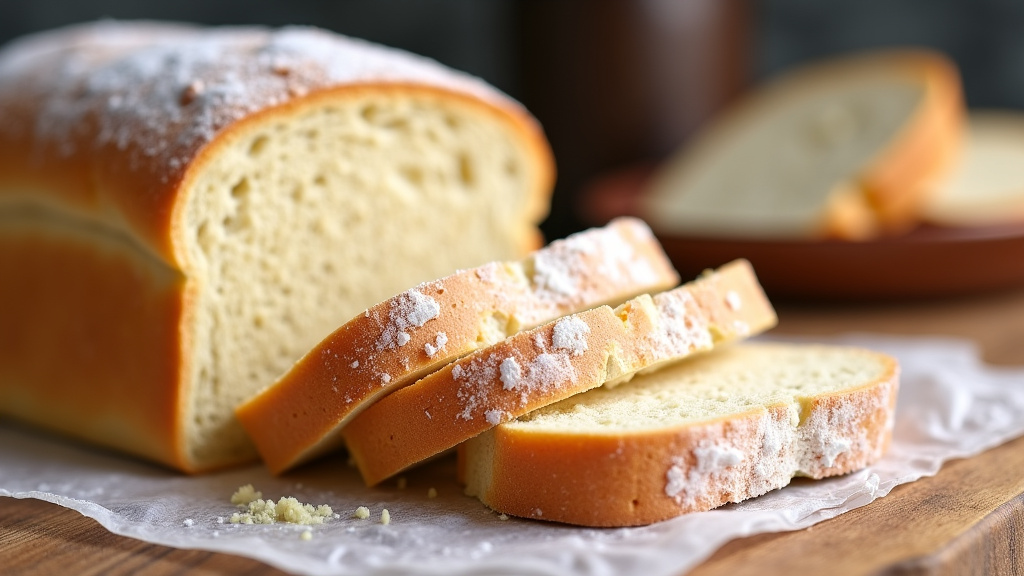
The strengthened gluten from the ascorbic acid in bread machine yeast can contribute to a finer, more even crumb structure. Your bread might feel softer and have smaller, more consistent air pockets. We found this observation consistent across many expert baking sites.
Regular active dry yeast can still give you a great texture, but it might be slightly more rustic with larger, more irregular air pockets. This isn’t a bad thing; it’s just a different characteristic.
Quick Comparison: Bread Machine Yeast vs. Active Dry Yeast
Here’s a simple table to help you keep the main points straight. It’s a handy reference for your next baking adventure.
| Feature | Bread Machine Yeast (Instant/Rapid Rise) | Active Dry Yeast (Regular) |
|---|---|---|
| Type | Instant Yeast | Active Dry Yeast |
| Granule Size | Finer | Larger |
| Proofing Needed? | No (mix directly with dry ingredients) | Yes (dissolve in warm liquid first) |
| Activation Speed | Very fast | Slower (needs proofing time) |
| Additives | Often contains enzymes, ascorbic acid | Generally no (just yeast) |
| Substitution Ratio | Use 25% less if substituting for active dry | Use 25% more if substituting for instant |
Choosing the Right Yeast for Your Recipe
So, how do you decide which one to use? It really comes down to your recipe, your equipment, and your preference. There’s no single “best” yeast for every situation.
When to Use Bread Machine Yeast (Instant Yeast)
You’ll want to reach for bread machine yeast when:
- You’re using a bread machine for your loaf.
- You want a faster rise time for your bread.
- You’re following a recipe specifically calling for “instant yeast” or “rapid-rise yeast.”
- You prefer to skip the proofing step and add yeast directly to dry ingredients.
- You’re baking a recipe with a lot of heavy ingredients, as the enzymes can help with rising.
When to Use Active Dry Yeast (Regular Yeast)
Opt for active dry yeast when:
- Your recipe calls specifically for “active dry yeast.”
- You prefer the traditional method of proofing your yeast.
- You’re making a dough that benefits from a slower, longer fermentation for more flavor development.
- You’re making artisan breads or recipes where you have more control over the rising process.
- You enjoy the “ritual” of watching your yeast come alive.
Ultimately, both types of yeast are designed to make your bread rise. Understanding their differences just helps you achieve the best possible results for your specific baking needs. Don’t be afraid to experiment a little to see what you like!
Conclusion
You now understand the distinct characteristics of bread machine yeast and regular yeast. We’ve seen that while both are bakers’ essentials, their formulations and ideal uses differ. Bread machine yeast offers speed and enhanced performance, especially for automated baking. Regular active dry yeast requires a little more patience but is perfect for traditional methods.
Armed with this knowledge, you can confidently choose the right yeast for your recipe. Don’t be afraid to experiment with substitutions, adjusting quantities and proofing times as needed. Your baking will be more consistent and enjoyable with the right yeast in hand.
Frequently Asked Questions
Can I use expired yeast?
Using expired yeast is generally not recommended. Yeast is a living organism, and its potency diminishes over time. Expired yeast may not activate properly, leading to bread that doesn’t rise well or at all.
How do I store yeast properly?
For best results, store yeast in an airtight container in a cool, dry place. Once opened, active dry and instant yeast should be stored in the refrigerator or freezer. This helps prolong its shelf life and keeps it active.
What does “proofing” yeast mean?
Proofing yeast means dissolving it in a small amount of warm liquid (usually water) with a pinch of sugar. This step “wakes up” the yeast and confirms it’s alive and active before adding it to your main dough. If it foams, it’s good to go!
Does yeast affect the flavor of bread?
Yes, yeast can subtly affect bread flavor. Active dry yeast, with its slower fermentation, can sometimes contribute to a more complex, yeasty flavor profile. Instant or rapid-rise yeasts are designed for speed, so their flavor contribution is often less pronounced.
Why did my bread not rise even with fresh yeast?
Several factors can cause bread not to rise. Your water might have been too hot or too cold, killing or inhibiting the yeast. You might also have added too much salt, which can hinder yeast activity. Ensure proper temperature and ingredient ratios.