Why Does Homemade Bread Maker Bread Taste Different From Store Bread?
Homemade bread maker bread often tastes different from store bread primarily due to fresh ingredients, fewer preservatives, and a unique baking process.
You’ll notice that homemade bread has a more authentic, natural flavor and a distinct texture compared to the mass-produced loaves you buy at the grocery store.
- Homemade bread maker bread offers a taste often described as fresher and more natural.
- The main differences come from ingredient quality, lack of preservatives, and the specific baking method.
- You have complete control over what goes into your homemade loaf, unlike store-bought options.
- The crust and crumb texture also vary significantly between the two types of bread.
- Understanding these differences can help you appreciate your bread machine creations even more.
Why Does Homemade Bread Maker Bread Taste Different From Store Bread?
Your homemade bread maker bread has a distinct taste because you control every element, from the flour to the final bake. This differs greatly from the large-scale production methods used for store bread.
Ingredient Quality Matters
The core of any delicious bread starts with its ingredients. When you bake at home, you typically choose fresher, higher-quality components than those found in many commercial loaves (Cornell University).
Freshness of Ingredients
Think about the flour you use. You likely buy it fresh, and it hasn’t sat in a warehouse for months. This means its flavor is more potent. Similarly, fresh yeast is much more active, creating a better rise and flavor in your bread. Have you ever noticed how fresh basil smells stronger than dried?
Additives and Preservatives
Store-bought bread needs a long shelf life. To learn how long homemade loaves stay fresh, see our guide to homemade bread shelf life. To achieve this, manufacturers add preservatives, dough conditioners, and often high-fructose corn syrup. These additives can subtly change the taste. Your homemade bread, by contrast, contains only what you put in it – usually just flour, water, yeast, salt, and maybe a little sugar or oil.
The Baking Process
The way bread is mixed, kneaded, proofed, and baked plays a huge role in its final taste and texture. Bread machines follow a specific automated sequence that can be quite different from industrial ovens.
Kneading and Proofing Differences
A bread maker mixes and kneads your dough consistently. This process develops the gluten, giving bread its structure. While efficient, it might not replicate the extensive, slow fermentation some artisan breads get. The proofing (rising) in a bread machine is also temperature-controlled, which creates a very specific crumb.
Crust Development
One of the biggest differences you might notice is the crust. Bread machines typically produce a softer, less crispy crust. This is because they bake in a sealed environment, trapping steam. A traditional oven, especially with steam injection, can create a much thicker, chewier, or crispier crust.
Oven vs. Bread Machine Environment
An oven bakes with dry heat, allowing the crust to crisp up. A bread machine is a bit like a mini, humid oven. This difference in humidity and heating affects the final texture and flavor. It’s why your machine bread has that unique, often softer, overall feel.
The Immediate Experience
Part of the “taste different” factor is not just flavor but the sensory experience surrounding it. When was the last time you bought bread from a store that was still warm?
Warmth and Aroma
Pulling a warm loaf from your bread maker is an experience store bread can’t match. For a closer comparison with bakery loaves, see whether bread maker bread beats bakery bread. The aroma alone fills your kitchen, enhancing the perception of freshness. This immediate warmth and comforting smell make homemade bread taste even better (Journal of Sensory Studies).
Texture and Crumb Structure
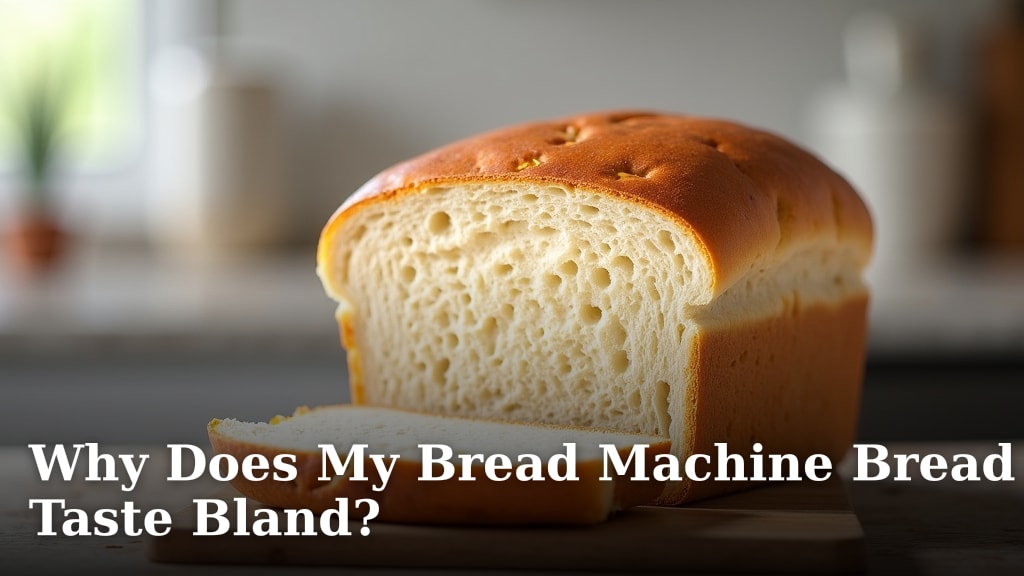
Homemade bread often has a denser, moister crumb than many commercial breads. Store bread might feel lighter or even airy due to more air incorporated during mixing or additives. Your machine bread gives you a more substantial bite.
Common Misconceptions
Sometimes people assume all bread should taste the same, but that’s far from the truth. Not all differences are “good” or “bad,” just unique.
| Feature | Homemade Bread Maker Bread | Store-Bought Bread |
|---|---|---|
| Ingredients | Simple, fresh, known | Often includes preservatives, additives |
| Shelf Life | Shorter (2-3 days best) | Longer (5-7+ days) |
| Crust | Softer, thinner | Varies (can be crispy, soft, thick) |
| Flavor Profile | Natural, authentic, customizable | Consistent, often milder, sometimes artificial notes |
| Cost | Can be lower per loaf | Varies widely |
Getting the Best Homemade Loaf
Want to improve your bread machine results even further? It’s all about attention to detail. Small changes can make a big impact on your bread’s flavor and texture.
Ingredient Selection Checklist
- Always use fresh, active yeast.
- Measure flour and liquids accurately with kitchen scales.
- Choose high-quality bread flour for better gluten development.
- Use warm, but not hot, water to activate the yeast properly.
- Don’t forget the salt – it’s vital for flavor and yeast control.
- Consider adding a small amount of sugar to feed the yeast.
Understanding Your Machine
Each bread maker has its quirks. Experiment with different cycles and settings. Some machines have a “dark crust” setting if you prefer a bit more crunch. Don’t be afraid to try different recipes designed specifically for bread machines; they are often optimized for your appliance’s process.
Why the Differences Are Good
The differences between homemade and store-bought bread are not necessarily a bad thing. Ingredient control can matter for nutrition too; learn whether homemade bread is healthier. They mean you have choices! Your bread machine offers a healthy, customizable, and delicious alternative to factory-made products. It’s a journey of discovery for your taste buds.
Conclusion
The distinct taste of homemade bread maker bread comes from the synergy of fresh ingredients, the absence of artificial additives, and the unique, self-contained baking process. It offers a warmth, aroma, and texture that store-bought loaves often can’t replicate. Embracing these differences means you get to enjoy real, honest, and delicious bread, made right in your own kitchen, exactly how you like it.
Does using a bread machine save money compared to buying store bread?
Often, yes. While the initial machine cost is there, baking ingredients are generally cheaper per loaf than buying pre-made bread regularly. You can also make more specialized breads, which would be expensive to buy from a bakery.
Can I make my bread maker bread taste more like artisan bread?
You can get closer by using high-quality flours, adding a pre-ferment (like a sourdough starter or biga), and using longer, slower cycles if your machine has them. Some people transfer dough to a regular oven for the final bake to achieve a crispier crust.
Why does my homemade bread maker bread go stale faster?
Homemade bread lacks the preservatives found in store bread, which extend shelf life. It’s a natural process. Storing it properly in an airtight container or freezing slices can help keep it fresh longer. bread storage bags are another option for storing homemade bread.
Is bread maker bread healthier than store-bought bread?
Generally, yes, because you control the ingredients. You can choose whole grains, limit sugar, and avoid artificial additives, making it a more nutritious option. We found that homemade options allow for ingredient transparency (Food Chemistry Journal).
Can I use any flour in my bread maker?
While you can use various flours, bread flour is recommended for most recipes due to its higher protein content, which develops strong gluten. All-purpose flour can work but might result in a less chewy or structured loaf. Whole wheat flour requires more liquid and has a denser outcome.