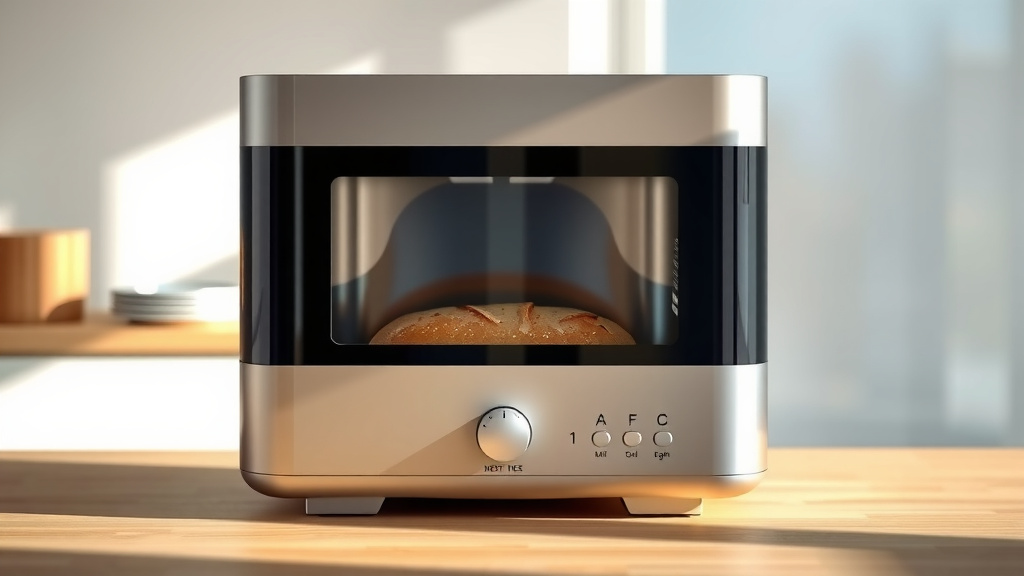
Why Does the Bread Maker Window Steam Up?
A bread maker window usually steams up when moisture from the dough and heated air condenses on the cooler glass. It often clears as baking continues and the window warms.
On this page (8 sections)
- Why does the bread maker steam up during a cycle?
- At which baking stage does window condensation appear?
- Should you wipe or open the lid when it fogs?
- Does a foggy window mean something is wrong?
- Can you still check the loaf when the window is foggy?
- Does condensation affect bread or baking results?
- What should you do after the bread maker cools?
- Why does the bread maker window steam up, and when should you act?
A bread maker window usually steams up because moist air from the dough condenses on cooler glass. The fog often clears as the window warms during the cycle, so keep the lid closed and let the machine finish.
Condensation can appear while ingredients mix, the dough rises, or baking begins. The timing varies by machine, recipe, room temperature, and how warm the window is.
Why does the bread maker steam up during a cycle?
Warm, moist air inside the bread maker can condense on the cooler viewing window. The water droplets make the glass look foggy, much like condensation on a kitchen window.
Bread dough contains water, and the machine warms it through several stages. As the air and dough heat up, moisture can collect on the inside of the lid or glass.
A bread maker's cycle generally mixes and kneads, allows the dough to rise, then bakes it. Learn more about how a bread maker works to understand why the window may look different at each stage.
At which baking stage does window condensation appear?
Condensation may show up during mixing or rising, then fade as baking continues and the window warms. It can also remain through part of the bake, depending on the machine and kitchen conditions.
A light fog doesn't tell you whether the loaf is rising well or baking correctly. See Panasonic bread maker use.
Use the cycle display and the machine's instructions to track progress rather than opening the lid to inspect the dough.
During kneading, ingredients release moisture into the enclosed space. Later, heat can change how that moisture settles on the glass.
Should you wipe or open the lid when it fogs?
Keep the lid closed while the machine runs. Opening it to wipe the inside window releases heat and can interrupt the cycle.
If you want to see how much visibility the window provides, check your machine's manual. See Hamilton Beach use instructions.
Some models have a viewing window and others don't, as explained in Do All Bread Makers Have a Viewing Window?.
Wipe the outside of the window only when the machine is off and cool. Never put your face or hands near a vent while the machine is running, because escaping steam can be hot.
Does a foggy window mean something is wrong?
A window that fogs during a cycle and clears as the machine cools is usually just showing condensation. Persistent moisture, visible damage, or a machine that stops working calls for a closer check.
After the cycle, switch off and unplug the machine as its manual directs, then let it cool. Check the outside of the glass for splashes or residue and wipe it with a soft cloth.
Don't take the lid apart or try to reach moisture between glass layers. If condensation remains trapped after the machine is cool, or you notice a cracked window, burning smell, or unusual sound, contact the manufacturer for guidance.
Can you still check the loaf when the window is foggy?
Yes, but a fogged window may limit what you can see. The machine's display and cycle signals are more useful than opening the lid to check on the loaf.
A bread maker handles several steps for you, from mixing to baking. Read what a bread maker does if you want to know which stages happen inside the machine.
If you need a clearer view, check the window after the machine has cooled and dried. Don't assume a clear window is required for the machine to bake correctly.
Does condensation affect bread or baking results?
Window fog alone doesn't show that the loaf will fail. It is a sign of moisture meeting cooler glass, not a direct measure of the dough or finished bread.
Follow the recipe's ingredient amounts and the machine's cycle instructions. See Breville use instructions.
Avoid lifting the lid repeatedly to inspect the loaf, since that can let heat escape during rising or baking.
If the bread comes out dense, sunken, or underbaked, consider the recipe, measurements, yeast, and selected cycle. Condensation by itself doesn't identify the cause.
What should you do after the bread maker cools?
Let the machine cool, then wipe any accessible moisture and residue as the manual allows. Keep water away from controls, vents, and electrical parts.
Use a soft, dry cloth on the exterior and follow the care instructions for the lid and pan. Don't pour water over the lid or use abrasive tools on the window.
A toaster won't prevent condensation inside a bread maker, but it can be useful for toasting slices after baking. The BELLA 4 Slice Slim Toaster has 6 shade settings and a removable crumb tray.
For a broader overview of what you can make, see what a bread maker is used for. Use the machine as often as your routine calls for, with how often you should use a bread maker covering regular use.
Why does the bread maker window steam up, and when should you act?
When asking why a bread maker window steams up, look for ordinary condensation first: moisture forms on cooler glass and may clear as the cycle progresses or the machine cools. Leave the lid closed during operation.
Contact the manufacturer if moisture stays trapped between panes, the window is damaged, or the machine behaves unusually. If you see steam escaping, keep hands and face clear, then follow the manual's safety guidance.
Frequently asked questions
Is it normal for a bread maker window to steam up?
Yes, a foggy viewing window can be normal during mixing, rising, or early baking. Moist air inside the machine meets cooler glass and forms condensation.
If the fog clears as the cycle continues and the machine works normally, it usually needs no action.
Should I open the bread maker to clear the window?
No, keep the lid closed during the cycle unless the manual tells you to do otherwise. Opening it can release heat and disrupt rising or baking.
Check the loaf through the window if you can, and wait until the cycle ends before inspecting the interior.
Why does my bread maker window stay foggy?
Condensation can remain while the glass is cooler than the moist air inside. If it stays foggy after the machine cools, wipe the outside first and inspect for residue.
For damage, moisture trapped between panes, or unusual operation, stop using it and contact the manufacturer.
Can steam from a bread maker burn you?
Yes, escaping steam can be hot enough to burn skin. Keep your face and hands away from vents when the machine is running or just finished, and use oven mitts when handling the hot pan.
Follow the machine's manual for safe opening and removal.