Zojirushi Bread Maker Sourdough Recipes
Zojirushi bread maker sourdough recipes work best when you control fermentation separately from baking. Use an active starter, monitor the dough, and choose a cycle that gives the loaf enough rise time.
On this page (10 sections)
- How do you make sourdough in a Zojirushi bread maker?
- What sourdough ingredients should you prepare?
- How do Zojirushi cycle controls help sourdough?
- How long should sourdough ferment in a bread maker?
- Can you bake sourdough directly in the machine?
- Which bread maker can help with custom sourdough work?
- How do you know when sourdough is ready to bake?
- What should you do after baking?
- How can you adjust Zojirushi sourdough bread maker recipes?
- What is the best method for Zojirushi bread maker sourdough recipes?
Zojirushi bread maker sourdough recipes work best when you use the machine for controlled mixing and baking, while giving fermentation enough time to develop. An active starter, careful dough checks, and the right cycle settings matter more than following a fixed clock.
The main challenge is timing. Commercial yeast recipes often rise on a predictable schedule, but sourdough can take longer or move faster depending on starter strength, flour, water, and room temperature.
How do you make sourdough in a Zojirushi bread maker?
Mix the dough, allow a long enough first rise, shape or settle the dough, and bake only after it has expanded properly. If your model offers custom cycle controls, separate kneading, fermentation, and baking instead of using a short standard program.
Start with an active starter that has recently been fed and is showing clear activity. Measure the flour and water carefully, then add the ingredients in the order recommended for your machine.
Use the kneading stage to bring the dough together. Stop and check the texture once the ingredients are mixed.
The dough should hold together without looking dry or soupy.
Let the dough rise until it has visibly expanded. Do not end fermentation only because the timer has finished.
A cool kitchen can lengthen the rise, while a warm room or very active starter can shorten it.
Use the bake stage once the dough is ready. If the loaf has risen too far, it may collapse during baking.
If it has barely expanded, give it more time before starting the bake cycle.
What sourdough ingredients should you prepare?
Use an active sourdough starter, bread flour, water, salt, and any optional additions in measured amounts. The starter supplies the natural fermentation, while the flour and water determine how firm or sticky the dough feels.
A simple starting formula is:
- 100 g active starter
- 350 g bread flour
- 240 g water
- 8 g salt
This makes a moderately hydrated dough, but your flour and starter may absorb water differently. Hold back a small amount of water during mixing, then add it only if the dough looks too firm.
Don't add extra flour too quickly. Dough often becomes smoother after several minutes of kneading, and excess flour can make the finished loaf dense.
Salt supports flavor and dough strength, but it should be measured rather than guessed. Keep it separate from the starter until mixing begins if your machine's ingredient order calls for that approach.
If you still need a starter, follow this guide to how to make sourdough starter for a bread maker. A mature, active starter gives you a more reliable rise than one that has just been mixed.
How do Zojirushi cycle controls help sourdough?
Cycle controls help you match the machine's kneading, rise, and bake stages to the dough's actual progress. Sourdough usually benefits from a longer fermentation window than a basic bread program provides.
Use the knead stage until the dough is evenly mixed and begins to look elastic. A short rest before continued kneading can also help flour absorb water, but use the controls your model provides.
For fermentation, choose a longer rise setting or pause the process when needed. Check the dough at regular intervals instead of opening the lid repeatedly, since each opening can release heat.
A bake-only setting is useful when the dough has completed its rise outside the normal cycle. This lets you avoid restarting a full program that would knead the dough again.
If your machine cannot separate these stages, use it for mixing and kneading, then transfer the dough to a covered container for fermentation. Return it to the bread pan for baking if the pan and machine design allow that method.
For a broader process, see How To Make Sourdough Bread In A Bread Maker?. It explains how to adapt the order of mixing, rising, and baking when a machine's preset cycles do not match sourdough timing.
How long should sourdough ferment in a bread maker?
Ferment sourdough until it has visibly expanded and looks aerated, not until a fixed number of minutes has passed. The time may change with starter activity, dough temperature, flour type, and the amount of water.
A first rise can take several hours in a cool room. In a warmer room, the dough may reach the same stage sooner.
Use the dough's appearance as the main guide.
Look for a noticeable increase in volume and a softer, lighter feel. The dough does not always need to double exactly, especially when it will continue rising during baking.
Avoid leaving the dough unattended for too long. Over-fermented dough may become weak, sticky, or difficult to bake into a tall loaf.
If the dough is barely moving, check whether the starter was active before mixing. You can also give it more time, provided the dough has not developed a sharp smell or become slack.
Can you bake sourdough directly in the machine?
Yes, you can bake sourdough directly in the bread pan when the dough has risen properly and the machine has a suitable bake cycle. The loaf may have a different shape and crust from a round oven-baked loaf.
Keep the dough amount within the machine's intended capacity. A loaf that rises too high can touch the lid, while too much dough can bake unevenly.
Avoid opening the lid during the bake stage unless your machine instructions allow it. Heat loss can affect the loaf's final structure.
The crust setting may change the outside color without changing the fermentation stage. Choose the crust level based on your preference, but do not use a darker setting to compensate for under-fermented dough.
If you prefer more control over shaping and scoring, use the machine for mixing and fermentation, then bake the dough in an oven. That approach gives you more freedom over the final form.
Which bread maker can help with custom sourdough work?
A machine with adjustable programs can help when your sourdough routine needs more control than fixed cycles provide. For another recipe using the Breville, see this Breville banana bread recipe.
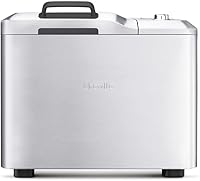
The Breville BBM800XL has 13 automatic programs, 9 custom settings, and 3 crust color options.
Its 830-watt motor and 1 to 2 1/2 lb loaf capacity suit households that want different loaf sizes. The machine has a collapsible kneading paddle for bread and dough settings, plus a fixed paddle for jam only.
The automatic fruit and nut dispenser is useful for add-ins, but plain sourdough does not need it. The brushed stainless steel body measures 9.6 in deep, 16.4 in wide, and 13.3 in high, so measure your counter space before choosing a location.
Hand wash the accessories as directed. The machine includes one collapsible paddle for bread and dough settings and one fixed paddle for jam only.
How do you know when sourdough is ready to bake?
Bake when the dough has expanded, holds visible air, and still has enough strength to support itself. A gentle press should leave an impression that slowly begins to recover.
Dough that springs back immediately may need more fermentation. Dough that stays deeply collapsed or feels very weak may have fermented too long.
The exact test depends on the dough's hydration and flour. Use the appearance, volume, and feel together rather than relying on one sign.
Keep the lid closed during checks whenever possible. If you need to inspect the dough, do it quickly so the machine does not lose much heat.
For another machine-specific method, compare how to make sourdough in a Neretva bread maker. The same principle applies: use the machine's controls around the dough instead of forcing every loaf into one preset schedule.
What should you do after baking?
Remove the loaf from the pan when the bake cycle ends and let it cool before slicing. Cooling allows the crumb to set and makes the loaf easier to cut cleanly.
Use care when removing the bread and handling the paddle. Let the pan cool enough to handle safely, then wash the removable parts according to the machine's care instructions.
Do not seal a warm loaf in a container. Trapped steam can soften the crust and make the surface damp.
Once cool, store the loaf in a breathable bread bag or container. Cut only what you plan to eat soon if you want the remaining loaf to stay fresher.
How can you adjust Zojirushi sourdough bread maker recipes?
Adjust one variable at a time, starting with fermentation length. Changing flour, water, starter amount, and cycle timing together makes it harder to understand why the loaf changed.
If the loaf is dense, check whether the starter was active and whether the dough had enough time to rise. If the loaf collapses, reduce the fermentation time or bake sooner.
If the dough is dry, add water in small amounts during mixing. If it is very wet, wait through the early kneading stage before adding flour, since hydration can change as the flour absorbs water.
For a different brand's approach, see how to make sourdough in a Panasonic bread maker. Comparing cycle layouts can help you decide which stages need manual control on your own machine.
Choose the Best Sourdough Bread Maker 2026 if adjustable timing is a deciding factor. You can also review the Top 7 Best Bread Maker For Sourdough Bread for more machine options.
What is the best method for Zojirushi bread maker sourdough recipes?
The best method is to use the Zojirushi for mixing and baking while treating fermentation as a separate step you control by dough volume and texture. Custom or manual cycle settings make that process easier.
Pick a longer rise when the dough needs more time. Use a bake-only stage when the loaf has finished fermenting outside the standard program.
If the machine cannot separate the stages, mix and knead in the pan, ferment in a covered container, and bake when the dough is ready.
That approach also works for related Zojirushi bread maker recipes sourdough bakers may want to adapt. Start with an active starter, keep changes small, and record the timing that works in your kitchen.
Frequently asked questions
Can you make sourdough in a Zojirushi bread maker?
Yes, but sourdough usually needs more fermentation time than a standard yeast cycle provides. Use the Zojirushi's manual or custom cycle controls when available, watch the dough rather than relying only on the clock, and bake once it has risen enough.
Do you need a sourdough starter for a bread maker recipe?
Yes, a true sourdough loaf needs an active starter unless the recipe also uses commercial yeast. Feed the starter before mixing, wait until it is lively and expanded, and adjust the timing if your kitchen is cool or the starter is slow.
Which Zojirushi cycle is best for sourdough?
Use a custom or manual cycle that lets you manage kneading, rising, and baking separately. Sourdough timing changes with starter strength, flour, water, and room temperature, so a fixed basic bread cycle may end before the dough is ready.
Can a bread maker bake sourdough after a separate rise?
Yes. Mix and knead the dough in the machine, let it ferment until properly expanded, then use a bake-only setting if your Zojirushi model has one.
This gives you more control than forcing the entire process into a standard bread program.