What Are Bread Maker Pan Sizes?
Bread maker pan sizes typically range from 1 pound to 3 pounds, with 1.5-pound and 2-pound pans being the most common for home use.
These sizes determine the maximum weight of the dough your machine can handle, directly affecting the final loaf’s dimensions and density.
- Bread maker pans come in various sizes, most often 1, 1.5, 2, and sometimes 2.5 or 3 pounds.
- The pan size dictates the largest loaf you can bake, matching your household’s needs.
- Choosing the correct pan size ensures proper baking and prevents messes or dense loaves.
- Larger pans often mean a bigger machine footprint, a factor to consider for your kitchen space.
What Are Bread Maker Pan Sizes?
Bread maker pan sizes refer to the maximum weight capacity of the bread dough your machine can bake. They affect both the size of your loaf and how it bakes.
The Standard Spectrum of Pan Sizes
When you look at bread makers, you’ll find a common range of pan sizes. Each size is designed for different household needs and baking frequencies. Understanding these helps you pick the right one.
Most home bread makers offer pan sizes that cater to various meal requirements. Think about how many slices you need for breakfast or sandwiches. This will guide your choice.
The Smallest: 1-Pound Loaves
A 1-pound pan is perfect for individuals or couples. It creates a compact loaf, ideal for one or two servings. These smaller machines also save counter space.
Many people find these handy for specialty breads or if they like making fresh loaves often. It prevents waste and keeps things simple. We found these are popular for smaller kitchens.
The Sweet Spot: 1.5-Pound Loaves
The 1.5-pound pan is a popular choice for many households. It’s versatile enough for a small family of three or four. This size often strikes a great balance between yield and machine footprint.
You get a good-sized loaf that lasts a few days. It’s not too big, not too small. Many experts say this is a great starter size for new bread maker owners.
Family Favorite: 2-Pound Loaves
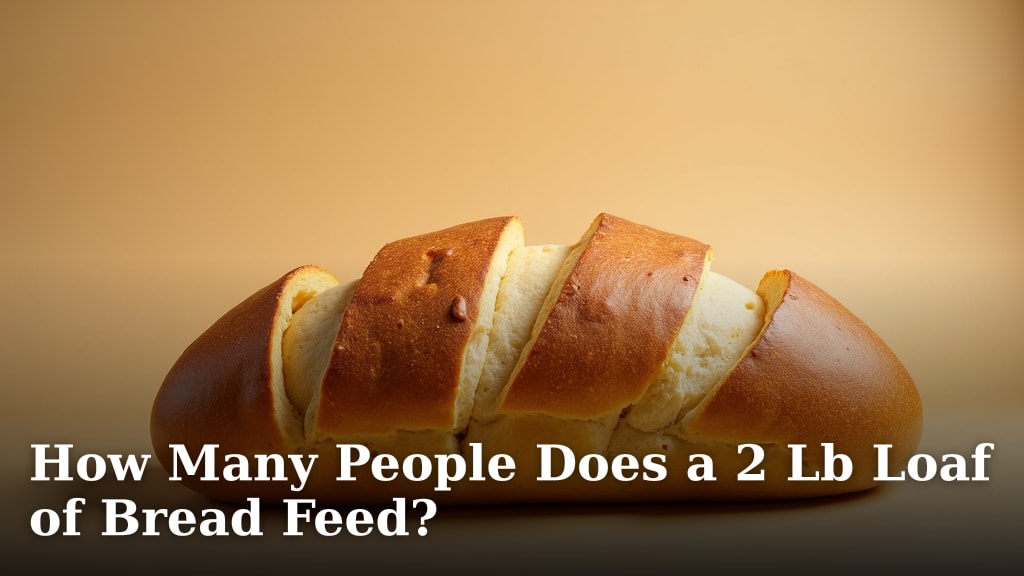
For families with more members or those who enjoy sandwiches daily, the 2-pound pan is a go-to. It produces a substantial loaf that can feed four to six people. This is a common capacity.
Research often shows that 2-pound machines are among the bestsellers. They offer good value and volume for everyday baking. You won’t run out of bread quickly with this size.
The Bigger Batches: 2.5-Pound and 3-Pound Loaves
Some bread makers go even larger, offering 2.5-pound or even 3-pound pans. These are typically for large families or avid bakers. Imagine baking for a big gathering!
These machines are less common but fantastic for volume. They take up more counter space, naturally. But if you host often, a 3-pound loaf can be a lifesaver. We found these are great for party prep (NIH).
Why Pan Size Matters for Your Bake
It’s not just about how much bread you get. The pan size directly impacts your baking success. A wrong size can lead to under-baked centers or overflowing dough. Nobody wants that messy situation!
Using a pan too small for your recipe can cause dough to spill over. Too large, and your loaf might come out squat and dense. It’s all about finding the right fit for your recipe’s volume.
Here’s why it’s a big deal:
- Optimal Rise: A pan that’s just right allows the dough to rise perfectly.
- Even Baking: Correct sizing ensures heat distributes evenly through the loaf.
- Perfect Crust: The crust develops beautifully when the loaf fits the pan well.
- No Mess: Prevents dough from spilling during the rise and bake cycles.
- Consistent Texture: You get the expected light, airy texture, not a brick.
Choosing Your Ideal Bread Maker Pan Size
Selecting the right size depends on your lifestyle and baking habits, so consider what size bread machine to buy. Ask yourself a few questions. How many people do you usually feed? How often do you want fresh bread?
Consider these points to guide your decision:
| Pan Size | Best For | Pros | Cons |
|---|---|---|---|
| 1 Pound | Individuals, couples | Compact, fresh small loaves | Limited yield, frequent baking |
| 1.5 Pounds | Small families (3-4) | Good balance, versatile | May need re-baking for larger groups |
| 2 Pounds | Medium families (4-6) | Substantial loaves, common | Takes up more counter space |
| 2.5-3 Pounds | Large families, entertaining | High yield, less frequent baking | Largest footprint, specialized |
Do You Need More Than One Size?
Most bread makers come with a single pan. Some advanced models might offer interchangeable pans for different sizes or shapes. Is this something you’d benefit from? Maybe for a change of pace!
If you love variety, a machine that can make both a traditional loaf and perhaps baguettes or round bread is a treat. But remember, versatility often comes with a higher price tag.
Understanding Pan Shapes and Materials
While size is key, pan shape also plays a role. Most bread maker pans are vertical, making a tall, rectangular loaf. Some models offer horizontal pans for a more traditional bakery-style loaf.
Pans are usually non-stick metal, often aluminum or steel with a coating. Proper care is essential to keep the non-stick surface intact. Gentle cleaning helps maintain its longevity (Mayo Clinic).
Vertical vs. Horizontal Loaves
Vertical pans produce tall, narrow loaves. These fit easily into a toaster! Horizontal pans give you a shorter, wider loaf. It’s often easier to slice for sandwiches. Which shape do you prefer?
The choice usually comes down to personal preference and how you plan to use your bread. Vertical loaves are a classic bread maker look, while horizontal ones mimic store-bought bread.
Caring for Your Bread Maker Pan
Your pan’s non-stick coating is its best friend. Always use non-abrasive sponges and mild soap. Avoid metal utensils inside the pan. This helps prevent scratches and flaking.
Many guidelines point to hand washing as the best method. Dishwashers can be harsh on these coatings over time (Consumer Reports). A well-cared-for pan will serve you for years.
Factors Beyond Pan Size in Bread Makers
While pan size is central, it’s part of a bigger picture. Think about the bread maker’s programs, settings, and overall footprint. Does it fit your counter? Does it offer gluten-free options?
A quick checklist for choosing your bread maker:
- Consider your typical loaf consumption.
- Measure your kitchen counter space.
- Look for specific baking programs you need (e.g., whole wheat, dough).
- Check the machine’s noise level during operation.
- Read reviews about pan durability and non-stick quality.
Conclusion
Choosing the right bread maker pan size truly shapes your baking experience. From small, individual 1-pound loaves to hefty 3-pound family-sized breads, there’s a machine for every need. By matching the pan size to your household and baking goals, you ensure delicious, perfectly baked bread every time. Remember to consider your family’s appetite, counter space, and desired loaf shape for the best fit. Happy baking!
How do I know what size pan my bread maker has?
You can usually find the pan size listed in your bread maker’s instruction manual or on a label underneath the pan itself. It will often state the maximum loaf weight capacity, like “2-pound loaf.”
Can I bake a smaller loaf in a larger pan?
Yes, you can bake a smaller loaf in a larger pan. However, the loaf might turn out a bit flatter or less defined in shape than if baked in a perfectly sized pan. Adjusting your recipe proportions accordingly is key to good results.
What happens if I put too much dough in my bread maker pan?
If you put too much dough in your bread maker pan, it can overflow during the rising or baking cycle, creating a messy situation and potentially damaging your machine. The bread might also be under-baked in the center due to restricted expansion.
Are bread maker pans interchangeable between brands?
Generally, bread maker pans are not interchangeable between different brands or even different models within the same brand. Each machine is designed for a specific pan shape, size, and paddle mechanism, so using a different pan usually won’t work.
Does pan size affect the baking time of the bread?
While the overall program length set by the bread maker remains constant, a larger loaf in a larger pan will generally require the full baking time to cook through evenly. Learn how a bread maker heats up during baking. If you adapt a recipe for a smaller pan, you might find the crust slightly darker, but the internal temperature should still reach the correct level if the recipe is scaled correctly.