Bread Machine Recipes for a 1.5-Pound Loaf
Bread machine recipes for a 1.5 lb loaf use measured flour, liquid, yeast, salt, and fat in the order your machine requires. Choose a medium-loaf setting when available, then check the dough during mixing.
On this page (12 sections)
- Bread Machine Recipes for a 1.5-Pound Loaf
- What ingredients does a 1.5-pound bread machine loaf need?
- How should you measure ingredients for a 1.5-pound loaf?
- How do you check the dough during kneading?
- Which cycle and crust setting should you use?
- What is a simple 1.5-pound bread machine recipe?
- Which bread maker suits medium-loaf recipes?
- How do you add fruit, nuts, or other mix-ins?
- How do you avoid a sunken or uneven loaf?
- Can you scale a 2-pound recipe down?
- What should you do after baking?
- What is the best approach to 1.5 lb loaf bread machine recipes?
Bread Machine Recipes for a 1.5-Pound Loaf
Bread machine recipes for a 1.5 lb loaf work best when the ingredients stay balanced and the dough fills the pan without crowding it. Use a medium-loaf cycle when your machine has one, and adjust the dough before the bake stage if it looks too dry or wet.
A 1.5-pound loaf is a useful middle size for a small household. It gives you fresh bread without the taller dough mass of a 2-pound recipe, but the recipe still needs enough structure to rise and bake evenly.
What ingredients does a 1.5-pound bread machine loaf need?
A basic 1.5-pound loaf needs flour, liquid, yeast, salt, and a small amount of fat or sweetener, depending on the style of bread. The exact amounts change for white bread, wheat bread, French bread, dairy bread, and recipes without added fat.
A practical starting formula is:
- 3 cups bread flour or all-purpose flour
- 1 to 1 1/4 cups liquid
- 1 1/2 teaspoons salt
- 1 to 2 tablespoons sugar or another sweetener
- 1 to 2 tablespoons oil or butter
- 1 1/2 to 2 teaspoons bread machine or instant yeast
This is a framework, not a fixed recipe. Flour absorbs liquid differently by brand, storage conditions, and measuring method, so watch the dough instead of adding extra flour automatically.
For a plain white loaf, water keeps the flavor simple. Milk can make the crumb richer, but follow the recipe's storage guidance if the finished bread contains dairy.
How should you measure ingredients for a 1.5-pound loaf?
Measure flour lightly and level the cup, or use a kitchen scale for repeatable results. Too much flour is one of the easiest ways to create a dry, tight loaf.
Add ingredients in the order your bread maker manual gives you. Many machines place liquid ingredients first, followed by flour, salt, sweetener, and yeast, but the machine's instructions take priority.
Keep yeast away from the liquid if the recipe uses a delayed start. Salt can slow yeast activity when it sits directly against the yeast for a long time.
Use the machine's measuring spoon for small amounts when possible. A heaped teaspoon of yeast or salt can change the rise more than you expect in a medium loaf.
Should you use bread flour or all-purpose flour?
Bread flour usually gives a chewier loaf because it supports a stronger dough. All-purpose flour can work well for a softer everyday loaf, especially when the recipe was written for it.
Whole wheat flour absorbs more liquid and can make the loaf heavier. For a first attempt, replace only part of the white flour with whole wheat flour, then adjust the dough during kneading.
Gluten-free recipes need their own ingredient balance and cycle. Don't replace wheat flour cup for cup in a standard recipe without changing the liquid and binder.
How do you check the dough during kneading?
Check the dough after the first few minutes of mixing, when the ingredients have started to combine. It should look soft and cohesive, not like dry crumbs or a thin batter.
If flour remains in the corners, use a silicone spatula to guide it toward the paddle. Add liquid one teaspoon at a time if the dough is stiff and cracked.
If the dough spreads like thick cake batter, add flour one tablespoon at a time. Wait between additions so the flour has time to absorb the liquid.
Avoid making large corrections late in the cycle. A small adjustment during kneading is easier than trying to repair a loaf after it has risen.
Which cycle and crust setting should you use?
Choose the basic or white cycle for a standard 1.5-pound loaf unless the recipe names another program. Use a French cycle for a leaner loaf with a crispier crust, and a dough cycle when you plan to shape and bake the dough separately.
A light crust setting keeps the outside softer. Medium gives a balanced result, while dark creates a firmer, deeper-colored crust.
Don't open the lid repeatedly after the rise begins. Each opening releases heat and can affect the loaf's shape, especially in a smaller pan.
If your machine offers several loaf sizes, select 1.5 lb or the closest medium setting. For more guidance, see What Size Loaf Does A Bread Maker Make?.
What is a simple 1.5-pound bread machine recipe?
A simple white loaf can use 3 cups flour, about 1 1/4 cups liquid, salt, a little sugar, fat, and yeast. Start with the lower liquid amount if your flour is soft or your kitchen is humid, then correct the dough during kneading.
Add the ingredients in your machine's recommended order. Select the basic cycle and the 1.5-pound loaf setting if available.
Use bread machine yeast or instant yeast that is still active. If the loaf barely rises, test the yeast separately in warm liquid before changing the entire recipe.
For a lean French-style loaf, reduce the added fat or omit it if the recipe calls for a traditional lean dough. Our guide to bread machine french bread 1.5 lb covers that style in more detail.
Which bread maker suits medium-loaf recipes?
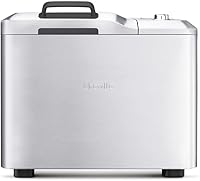
A bread maker with a 1 to 2.5 lb loaf capacity gives you room to make a 1.5-pound loaf without limiting you to one size. The Breville BBM800XL also has 13 automatic programs, 9 custom settings, 3 crust color options, and 830 watts of power.
Its brushed stainless steel body measures 9.6 in deep, 16.4 in wide, and 13.3 in high. It includes a collapsible paddle for bread and dough settings and a fixed paddle for jam only.
The machine has a collapsible kneading feature that folds before baking, plus an automatic fruit and nut dispenser. Those features suit recipes with mix-ins or readers who want to store custom recipes, but they add more controls than a basic bread maker needs.
Hand wash the accessories and leave room around the machine for the lid and ventilation. Measure your counter before choosing a larger bread maker.
How do you add fruit, nuts, or other mix-ins?
Add mix-ins when the machine signals for them or when the recipe instructs you to add them. Adding them too early can break them apart during kneading.
Use dry additions that won't release too much liquid. Pat washed fruit dry before adding it, and keep large pieces small enough to distribute through the dough.
The Breville BBM800XL has an automatic fruit and nut dispenser that releases mix-ins at the correct time. That can help when you make raisin bread, nut bread, or other recipes with additions.
For a plain loaf, leave the dispenser empty. Extra ingredients can change the dough balance, so don't add them without allowing for their weight and moisture.
How do you avoid a sunken or uneven loaf?
A sunken loaf often comes from too much liquid, too much yeast, weak flour structure, or a loaf that rises beyond its support. Start with the recipe's stated amounts and avoid adding extra yeast to make the loaf taller.
Use fresh flour and yeast, and keep salt in the recipe. Salt adds flavor but also helps keep yeast activity from becoming too fast.
If the top rises and collapses, reduce the liquid slightly on the next attempt or use a little less yeast. Change one variable at a time so you can see what helped.
Let the loaf cool before slicing. Cutting while hot can compress the crumb and make a properly baked loaf seem gummy.
Can you scale a 2-pound recipe down?
You can scale a 2-pound recipe down only by reducing every ingredient by the same percentage. A half-sized reduction is not appropriate if you need a 1.5-pound loaf, so calculate the new amount for each ingredient.
A 2-pound recipe may also use a different cycle or pan shape. Compare the recipe with bread machine recipes 2 lb loaf before changing it.
Don't fill the pan based only on the dough's starting height. Dough expands during rising, so leave enough space for the loaf to rise without touching the lid.
If you prefer a larger loaf, use a machine and recipe designed for that size. See bread machine french bread 2 lb for a larger French-style option.
What should you do after baking?
Remove the loaf from the pan soon after baking if the manual allows it. Set it on a rack so steam can escape instead of softening the sides.
Remove the paddle carefully once the loaf is cool enough to handle. A small opening in the bottom is normal when the paddle stays in the pan during baking.
Wait until the bread has cooled before storing it. Keep it in a bread bag or covered container at room temperature, and slice only what you plan to eat soon.
What is the best approach to 1.5 lb loaf bread machine recipes?
For 1.5 lb loaf bread machine recipes, start with a balanced basic loaf, select the closest medium setting, and check the dough early in the kneading cycle. Make small changes rather than correcting several ingredients at once.
Choose a machine with a 1 to 2.5 lb capacity if you want room for both medium and larger loaves. If you're new to the appliance, Top 7 Lb Bread Maker For Beginners can help you compare beginner-friendly size choices.
Understanding the appliance also makes recipe changes easier. Read What Is a Bread Machine? before trying custom cycles, dough programs, or recipes with fruit and nuts.
When your goal is a reliable 1.5-pound loaf, use a recipe written for that size, measure carefully, and judge the dough before the machine reaches the rise stage.
Frequently asked questions
How much flour does a 1.5-pound bread machine loaf need?
Many 1.5-pound bread machine recipes use about 3 cups of flour, but the exact amount depends on the recipe and flour type. Measure by weight when possible, keep the liquid ratio consistent, and check the dough during the first mixing stage for a soft, smooth ball.
What yeast is best for a 1.5-pound bread machine loaf?
Bread machine yeast or instant yeast is usually the simplest choice for a bread machine recipe. Keep yeast separate from the liquid and salt until the cycle begins if your machine's instructions recommend that order, and use the amount stated by the recipe.
Can I use a 2-pound recipe in a 1.5-pound bread machine?
Don't use a full 2-pound recipe in a machine set for a 1.5-pound loaf unless the manual gives a safe conversion. Extra dough can rise into the lid or bake unevenly, so scale each ingredient by the same percentage and select the closest loaf-size setting.
Why is my 1.5-pound bread machine loaf dense?
A dense loaf can come from too much flour, weak yeast, inaccurate measuring, cold liquid, or a cycle that does not match the recipe. Check the dough during kneading, add flour or liquid only in small amounts, and confirm that the yeast is within its use-by period.