What Is a Bread Machine?
On this page (7 sections)
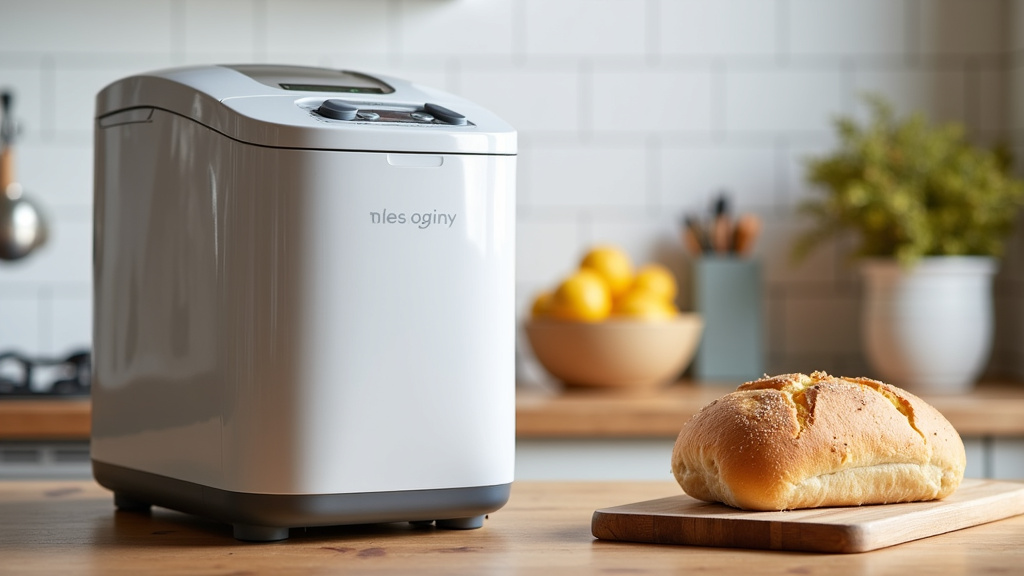
A bread machine is a convenient kitchen appliance that automates the process of making fresh bread. It mixes ingredients, kneads the dough, allows it to rise, and then bakes it all in one self-contained unit. Many people find it a simple way to enjoy homemade bread with minimal effort.
You simply add your ingredients, select a program, and the bread maker handles the rest. This appliance is perfect for anyone wanting fresh bread without all the manual labor involved. We found it’s especially popular for busy families or those new to baking.
- A bread machine mixes, kneads, rises, and bakes.
- It offers an easy, automated way to make bread.
- It reduces effort compared to traditional baking.
- You add ingredients, select a setting, and let it work.
Ready to discover if a bread machine is right for your kitchen? Let’s walk through everything you need to know about these helpful appliances.
Understanding Your Bread Machine
A bread machine is essentially a compact, automated bakery for your countertop. It removes much of the guesswork and manual labor from bread making, giving you delicious, fresh loaves with simple effort.
How Does a Bread Machine Work Its Magic?
It’s fascinating to watch a bread machine in action. You add your ingredients, close the lid, and let technology take over. We found it often feels like a little science experiment unfolding in your kitchen.
The Step-by-Step Process
First, the machine’s paddle starts to mix your ingredients. It combines everything into a shaggy dough. Then, it begins the crucial kneading phase. This develops the gluten, giving your bread its structure and chewiness. We found that good kneading is key to a great loaf.
After kneading, the machine automatically warms up the pan to the perfect temperature. This allows the dough to rise properly. Depending on the recipe and cycle, it may even punch down the dough and let it rise a second time. This creates a lighter texture. Finally, the heating element switches on, and your bread bakes to a golden brown, all inside the same pan.
What Can You Make in a Bread Machine?
You might think a bread machine only makes basic white bread, but that’s far from the truth! These machines are surprisingly versatile. You can make a wide variety of breads and even other doughs.
- Classic Loaves: White, whole wheat, rye, sourdough, brioche.
- Sweet Breads: Cinnamon swirl, fruit and nut breads, challah.
- Dough Only: Pizza dough, pasta dough, dinner roll dough, pretzel dough.
- Jams and Spreads: Some machines have a specific setting for making homemade jams.
- Gluten-Free Recipes: Many models offer dedicated gluten-free cycles.
We found that exploring your machine’s recipe book will open up a world of possibilities!
Key Features to Look For
When you’re thinking about getting a bread machine, knowing what features matter can help you choose the right one. We found that the best machine for you depends on your baking habits and kitchen space.
Different Cycle Settings
Most bread machines come with a range of preset cycles. These cycles control the mixing, kneading, rising, and baking times automatically. Here are some common ones:
- Basic: For white and whole wheat breads.
- Whole Wheat: Designed for denser whole wheat flours.
- French: Creates a crispy crust and chewy interior.
- Sweet: For breads with higher sugar and fat content.
- Rapid/Express: A shorter cycle for when you need bread fast.
- Dough: Prepares dough for pizza, rolls, or pastries without baking it.
- Gluten-Free: Specific settings to handle gluten-free flours.
We found that having specialized cycles can really improve the quality of your different bread types.
Loaf Sizes and Shapes
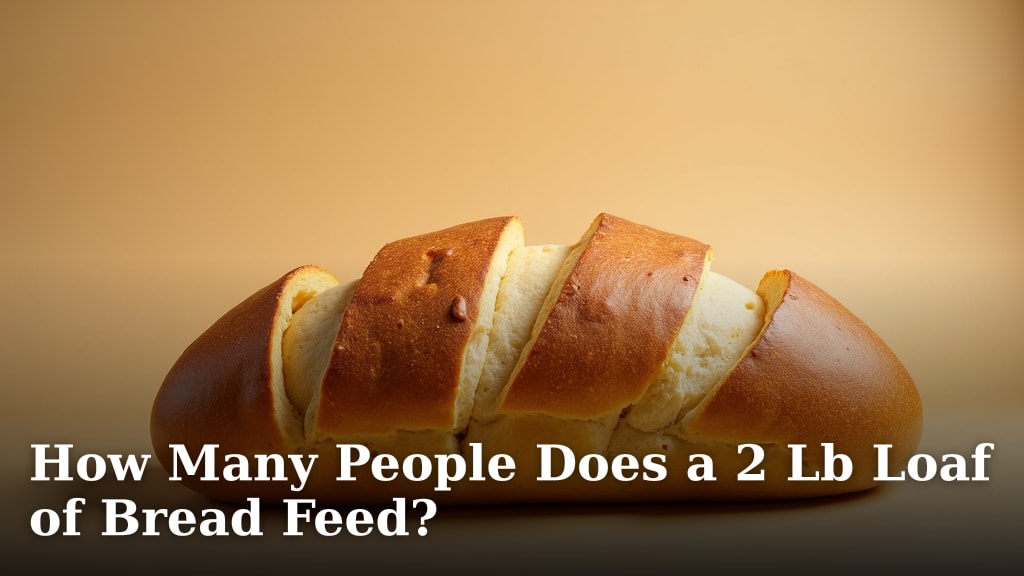
Bread machines typically offer different loaf sizes. Common options include 1-pound, 1.5-pound, and 2-pound loaves. This is great if you have a smaller household or like to bake larger batches for gatherings. The shape of the loaf is usually a vertical “brick” shape, which fits the machine’s design.
Crust Control Options
Do you like your crust light, medium, or dark? Many bread machines give you control over the crust color. This is a nice touch if you have a specific preference. We found that a darker crust often adds a bit more crunch and flavor.
Delay Timer and Keep Warm Functions
A delay timer is a fantastic feature. You can add ingredients before bed and wake up to fresh, warm bread. Imagine that aroma! The keep warm function holds the bread at serving temperature after baking. This means your bread is warm even if you can’t get to it right away.
Benefits of Owning a Bread Machine
Why should you consider adding a bread machine to your kitchen? We found there are many compelling reasons that make it a worthwhile investment for many home bakers.
Effortless Homemade Bread
The number one benefit is how easy it makes baking bread. No manual kneading, no guesswork about proofing times, no heating up your whole oven. You add ingredients, push a button, and the machine does the hard work. This makes homemade bread accessible even for busy people or those new to baking.
Cost Savings Over Time
While there’s an initial cost for the machine, making your own bread can save you money in the long run. Store-bought artisan breads can be quite expensive. With a bread machine, your main costs are flour, yeast, and other basic ingredients, which are generally affordable.
Control Over Ingredients
When you make your own bread, you know exactly what goes into it. This is great for managing dietary restrictions, avoiding preservatives, or choosing organic ingredients. You can customize recipes to your liking, adding seeds, nuts, or different flours. Many people find this transparency very reassuring (National Institutes of Health).
Freshness and Aroma
There’s nothing quite like the smell of fresh bread baking. It fills your home with a welcoming aroma. Plus, the taste of a warm, fresh-baked loaf straight from the machine is simply unbeatable. We often hear from users that this is their favorite part.
Tips for Bread Machine Success
Using a bread machine is straightforward, but a few tips can help you get perfect results every time. We’ve learned some simple tricks that make a big difference.
Ingredient Order Matters
It’s usually best to add liquids first, then dry ingredients, and finally the yeast on top. This keeps the yeast from activating too early. Think of it like building layers in a cake. Just check your machine’s manual, as some might suggest a different order.
Measure Accurately
Baking is a science, and accuracy counts. Use proper measuring cups and spoons for liquids and dry ingredients. We found that even a little too much or too little of an ingredient can affect the final texture of your bread.
Fresh Yeast is Key
Yeast is a living organism, and old or inactive yeast won’t make your bread rise. Store your yeast properly (often in the fridge or freezer) and check the expiration date. If your bread isn’t rising, suspect the yeast first!
Adjusting for Environment
Humidity and altitude can affect your bread. If you live in a very humid area, you might need slightly less liquid. At high altitudes, dough can rise too quickly, so some adjustments (like slightly less yeast) might be needed. Don’t be afraid to tweak your recipes a little.
Here’s a quick checklist for a successful loaf:
- Read your machine’s manual.
- Use fresh, quality ingredients.
- Measure everything precisely.
- Add ingredients in the correct order.
- Don’t open the lid during baking.
Bread Machine vs. Traditional Baking
You might be wondering how a bread machine stacks up against baking bread the traditional way. Both methods give you homemade bread, but they offer very different experiences.
| Feature | Bread Machine Baking | Traditional Baking |
|---|---|---|
| Effort Level | Minimal; largely automated | Moderate to high; manual kneading, proofing, oven baking |
| Time Commitment | Hands-on time: 5-10 minutes Total time (machine): 2-4 hours |
Hands-on time: 30-60 minutes Total time: 3-6+ hours |
| Skills Required | Beginner-friendly; basic measuring | Requires knowledge of kneading, proofing, oven temps |
| Loaf Shape | Usually vertical, rectangular “brick” | Round, oblong, baguettes; various artisan shapes |
| Clean-up | One non-stick pan and paddle | Mixing bowls, cutting board, oven, cooling rack |
| Temperature Control | Automated and precise | Manual oven preheating and monitoring |
As you can see, a bread machine wins on convenience and ease. Traditional baking offers more creative control over shape and crust development. We found that many people who love making bread by hand still appreciate a bread machine for quick weekday loaves.
Conclusion
As we’ve explored, a bread machine isn’t just a gadget; it’s a tool that brings the joy of homemade bread right to your kitchen with minimal effort. You gain control over your ingredients, save money over time, and savor that irresistible aroma and taste of fresh-baked goodness. We found it truly simplifies the baking process, making it accessible for everyone.
If you’re looking for an effortless way to enjoy warm, fresh bread, a bread machine is definitely worth considering. Why not try one and experience the difference for yourself?
Frequently Asked Questions
Is homemade bread from a bread machine as good as store-bought?
Many people find bread machine bread superior to most store-bought options because it’s always fresh and free of preservatives. You control the ingredients, allowing for a healthier and often tastier loaf tailored to your preferences.
Do bread machines use a lot of electricity?
While a bread machine does use electricity, its consumption is generally comparable to other small kitchen appliances. The total usage for one cycle (mixing, rising, and baking) is typically less than running a full-sized oven for a similar period, making it fairly energy-efficient for bread making.
Can I use regular all-purpose flour in a bread machine?
Yes, you can absolutely use regular all-purpose flour. However, for a better rise and texture, many bread machine recipes recommend using bread flour, which has a higher protein content. Experiment with both to see which you prefer!
How often do I need to clean my bread machine?
You should clean the bread pan and kneading paddle after each use, once they’ve cooled. Wipe down the interior of the machine and the exterior periodically with a damp cloth to prevent build-up. We found this simple routine keeps your machine in top condition.
What if my bread doesn’t rise in the bread machine?
The most common reasons for bread not rising are old or inactive yeast, incorrect water temperature, or inaccurate ingredient measurements. Always check your yeast expiration date and ensure your liquids are lukewarm, not too hot or too cold. Reviewing your recipe and machine manual can often help identify the issue.