
How to Make Cinnamon Rolls from Bread Machine Dough?

Yes, you absolutely can make delicious cinnamon rolls using bread machine dough! It’s a fantastic shortcut to enjoying homemade cinnamon rolls with less effort. Your bread machine does the heavy lifting for the dough, leaving you more time for the fun part: rolling, filling, and frosting.
We found that using bread machine dough is a game-changer for busy bakers. It ensures a perfectly soft and fluffy texture every time. This method streamlines the process, making cinnamon roll cravings easier to satisfy any day of the week.
- Use your bread machine for the dough.
- It makes cinnamon rolls easier and faster.
- Expect a soft and fluffy result.
- It’s a great shortcut for homemade treats.
Ready to turn that bread machine dough into warm, gooey cinnamon rolls? Let’s walk through exactly how to do it, step by step.
Making Amazing Cinnamon Rolls with Bread Machine Dough
You’re probably wondering if it’s really possible to make fantastic cinnamon rolls using your bread machine’s dough cycle. The answer is a resounding yes! We’ve found that this method truly simplifies the process. Your bread machine handles the kneading and rising. This means you get a perfect, soft dough without all the manual effort. It’s a wonderful shortcut for a decadent treat any day of the week. Let’s get started!
Preparing Your Bread Machine Dough
Before you can roll, fill, and swirl, you need the right dough. Most bread machines have a specific dough setting. This cycle mixes, kneads, and allows the dough to rise once. Many recipes work perfectly for this. You’ll typically add your wet ingredients first, then your dry ones. Finally, add the yeast last, following your machine’s instructions. This usually means making a small well in the dry ingredients for the yeast to activate. This setup is key to a successful dough. Most bread machines have a specific dough setting that works well for cinnamon rolls.
Choosing the Right Bread Machine Cycle
Make sure you select the “Dough” or “Pizza Dough” cycle on your machine. These cycles are designed to create a soft, elastic dough. They usually run for about 1 to 1.5 hours. This includes kneading and the initial rise. It’s important to use this setting and not a regular bread-baking cycle. A regular cycle bakes the bread. You just want the dough to be made and slightly risen. Check your bread machine manual if you’re unsure.
Basic Bread Machine Dough Ingredients
Most bread machine cinnamon roll doughs start with a base similar to regular bread. You’ll likely need:
- Warm Water: Around 105-115°F (40-46°C) is ideal for activating yeast.
- Butter or Oil: Adds richness and tenderness.
- Sugar: Feeds the yeast and adds a touch of sweetness.
- Salt: Balances sweetness and controls yeast activity.
- Flour: All-purpose or bread flour works well.
- Yeast: Active dry or instant yeast.
Many bread machine recipes are readily available online. You can also adapt your favorite standard cinnamon roll dough recipe for the machine. Just ensure the liquid-to-flour ratio is correct. Too much flour can make the dough dry. Too little can make it sticky and hard to handle.
Shaping Your Delicious Cinnamon Rolls
Once your dough cycle is complete, you’ll have a lovely, soft ball of dough. It will have risen nicely in the machine’s pan. This is where the fun really begins! You’ll gently remove the dough from the machine. Then, you’ll roll it out on a lightly floured surface. This step is crucial for creating those beautiful swirls.
Rolling and Filling the Dough
Lightly flour your work surface and your rolling pin. Gently punch down the dough to release some of the air. Then, roll it into a large rectangle. Aim for about a 12×18 inch size. The thickness should be about ¼ to ½ inch. Don’t worry if it’s not perfectly even; rustic charm is part of the appeal! A consistent thickness helps ensure even baking.
Creating the Perfect Cinnamon Sugar Filling
For the filling, you’ll typically mix softened butter, brown sugar, and cinnamon. Many recipes call for about ½ cup of softened butter. You’ll then mix in 1 cup of packed brown sugar and 2-3 tablespoons of cinnamon. Spread this mixture evenly over your rolled-out dough. Leave a small border along one edge. This helps seal the roll when you cut it.
We found that using softened, but not melted, butter is key. Melted butter can make the filling too greasy. It might also cause the dough to become soggy. The brown sugar and cinnamon mixture should be spread gently. Press it in slightly so it sticks to the butter. This creates those irresistible gooey pockets.
Cutting and Arranging Your Rolls
Once the filling is spread, it’s time to roll it up. Start from the long edge opposite the unfilled border. Roll the dough up tightly and evenly. You should end up with a long log. Slice this log into 12-16 equal pieces. A sharp knife works, but dental floss or a thin wire can give cleaner cuts. This is helpful for preserving the shape. Gently place the cut rolls into a greased baking dish. Make sure they have a little space between them. They will expand as they rise again.
The Second Rise and Baking
After shaping, your cinnamon rolls need a second, shorter rise. This helps them become light and fluffy before baking. It’s an essential step for achieving that classic cinnamon roll texture. Many experts suggest a warm, draft-free spot for this rise.
Allowing for a Second Rise
Cover the baking dish loosely with plastic wrap or a clean kitchen towel. Let the rolls sit in a warm place for about 30-60 minutes. They should puff up and become noticeably larger. You’ll want them to be about doubled in size. This second rise is crucial for texture. It ensures they aren’t dense.
Baking Your Cinnamon Rolls to Perfection
Preheat your oven to 375°F (190°C). Once the rolls have risen, remove the cover. Bake them for 20-25 minutes. They should be golden brown on top and cooked through. The center should not look doughy. If the tops start to brown too quickly, you can loosely tent them with foil. This prevents burning while the inside finishes baking.
We found that baking time can vary by oven. It’s always a good idea to check them at the lower end of the baking time. A toothpick inserted into the center should come out clean. This indicates they are fully baked. Don’t overbake them, or they can become dry.
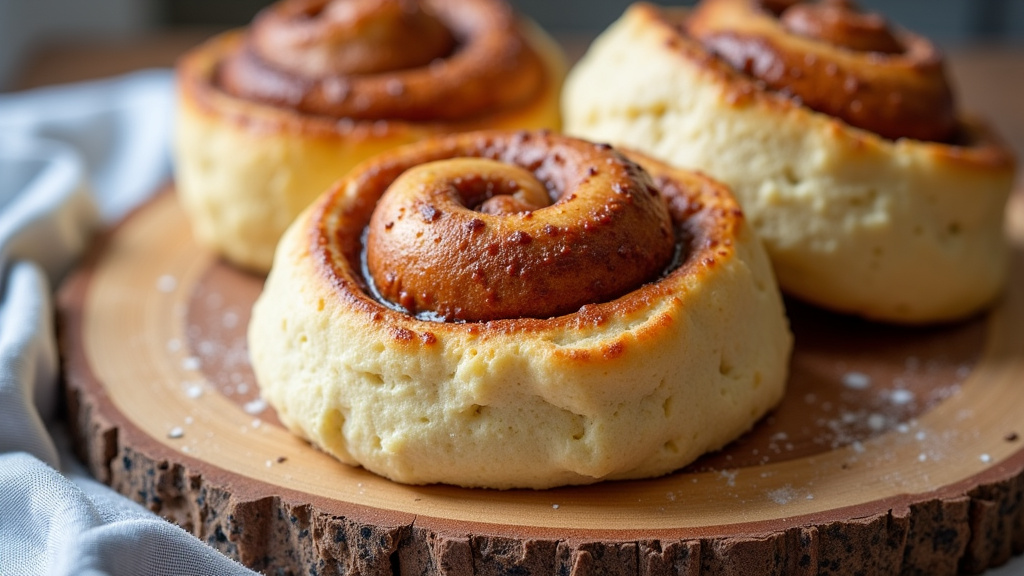
Frosting Your Warm Cinnamon Rolls
The best part? The frosting! Warm cinnamon rolls are begging for a sweet topping. You can make a simple cream cheese frosting or a basic powdered sugar glaze. Frosting them while they are still warm allows the frosting to melt slightly. This creates that wonderfully gooey finish everyone loves.
Simple Cream Cheese Frosting Recipe
For a classic cream cheese frosting, you’ll need:
- 4 ounces cream cheese, softened
- ¼ cup butter, softened
- 1 cup powdered sugar
- ½ teaspoon vanilla extract
- 1-2 tablespoons milk or cream (if needed for consistency)
Beat the softened cream cheese and butter together until smooth. Gradually add the powdered sugar and vanilla extract. Beat until combined and fluffy. If the frosting is too thick, add a little milk or cream until it reaches your desired spreading consistency. This frosting adds a delicious tangy sweetness.
Easy Powdered Sugar Glaze
If you prefer a lighter glaze, mix:
- 1 cup powdered sugar
- 2-3 tablespoons milk or water
- ½ teaspoon vanilla extract
Whisk the ingredients together until smooth. Add more liquid a little at a time if needed. This glaze is quick and simple. It adds just the right amount of sweetness without being too rich. You can drizzle this over the rolls for a lighter touch.
Tips for the Best Bread Machine Cinnamon Rolls
Here are a few extra tips we’ve gathered to help you achieve cinnamon roll success every time. These small adjustments can make a big difference in the final result. Think of them as your secret weapons for perfect rolls!
- Don’t Over-Flour: Use just enough flour to prevent sticking. Too much flour will make your dough tough.
- Soften, Don’t Melt Butter: For the filling, softened butter spreads best and helps the sugar and cinnamon adhere.
- Tight Roll: When rolling up the dough, keep it as tight as possible. This ensures even swirls and prevents gaps.
- Sharp Cutting Tool: Use a sharp knife, floss, or wire for clean cuts. This prevents squishing the rolls.
- Room Temperature Ingredients: For the frosting, ensure cream cheese and butter are softened to room temperature for a smooth consistency.
A Quick Checklist for Your Cinnamon Roll Adventure
Ready to bake? Here’s a quick checklist to keep you on track:
- Use your bread machine’s dough cycle.
- Roll dough to about ¼ inch thickness.
- Spread filling evenly, leaving a border.
- Roll tightly and cut into equal pieces.
- Allow a second rise for fluffiness.
- Bake until golden brown.
- Frost while warm.
Following these steps should lead you to a batch of soft, sweet, and utterly delicious cinnamon rolls. Enjoy the process and the amazing aroma filling your kitchen!
Conclusion
You’ve learned how simple it is to transform your bread machine’s dough cycle into a shortcut for amazing cinnamon rolls. We’ve walked through preparing the dough, shaping those perfect swirls, and baking them to golden perfection. Remember, the key is letting your machine do the hard work on the dough, then focusing on the fun assembly and delicious frosting. Don’t be afraid to experiment with your favorite frosting recipes!
Now that you have the knowledge, it’s time to bake. Your next step is to gather your ingredients and let your bread machine work its magic. Get ready to fill your home with the irresistible aroma of freshly baked cinnamon rolls!
Frequently Asked Questions
Can I use any bread machine recipe for cinnamon rolls?
You can use most standard bread machine dough recipes as a base. Ensure the liquid-to-flour ratio is correct for a soft, manageable dough. Many recipes are easily found online that are specifically designed for bread machines and work wonderfully for cinnamon rolls.
What if my bread machine dough seems too sticky or too dry?
If the dough is too sticky, add a tablespoon of flour at a time. If it’s too dry and crumbly, add a teaspoon of water or milk at a time during the kneading phase. Your bread machine manual might have troubleshooting tips for dough consistency.
How do I get clean cuts on my cinnamon roll log?
For the cleanest cuts, we found that using unflavored dental floss or a thin wire works best. Slide it under the log, cross the ends over, and pull gently to slice. This prevents squishing the delicate layers you created.
Can I freeze the cinnamon roll dough before the second rise?
Yes, you can freeze shaped cinnamon rolls before their second rise. Place them on a baking sheet to freeze individually, then transfer them to a freezer bag. To bake, thaw them overnight in the refrigerator, let them come to room temperature, and then allow them to rise before baking.
My cinnamon rolls aren’t rising well during the second rise. What should I do?
Ensure you placed them in a warm, draft-free spot. Placing them near a gently warmed oven (turned off) or on top of a warm appliance can help. Sometimes, older yeast can also be less active, so make sure your yeast is fresh.
