
How Do You Make Bread Machine Bread Softer?

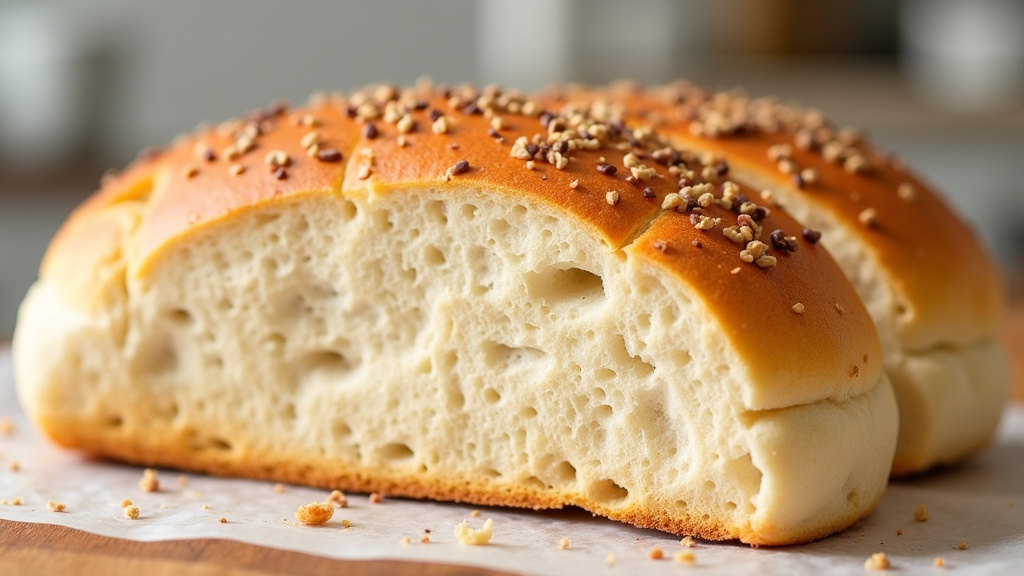
You can absolutely make your bread machine bread softer! The secret lies in a few key ingredients and adjustments. Adding extra liquid, a bit of sugar or honey, and using bread flour are the most effective ways to achieve a softer crumb.
Many people find their homemade bread machine loaves a bit dense or dry. Fortunately, there are simple tricks that can transform your bread into a delightfully tender and fluffy treat. We’ve researched common issues and found that making a few small tweaks can have a big impact on your final loaf’s texture.
- Add a little more liquid than the recipe calls for.
- Incorporate some extra sugar or honey.
- Always use bread flour for a softer result.
- Consider a touch of oil or butter.
Ready to bake a loaf that’s perfectly soft every single time? Let’s walk through exactly how to achieve that dream bread machine bread.
It can be disheartening when your homemade bread machine loaf comes out a bit too dense or dry. You’re aiming for that wonderfully soft, fluffy texture, and sometimes the machine just doesn’t deliver. But don’t worry, you’re not alone! We’ve researched this common baking conundrum. It turns out, a few simple tweaks to your recipe can make a world of difference. Let’s dive into how you can transform your bread machine loaves into perfectly tender delights. If your bread is dense, our guide on how to fix dense bread machine bread offers solutions.
Achieving a Softer Bread Machine Loaf
Making your bread machine bread softer is entirely possible. The secret often lies in adjusting the core components of your recipe. We found that focusing on a few key areas can dramatically improve your bread’s texture. Think of it as giving your ingredients a gentle nudge in the right direction for ultimate softness.
The Magic of Extra Liquid
One of the most impactful changes you can make is slightly increasing the liquid content. Why does this matter so much? Well, hydration is key to a tender crumb. More liquid means more moisture is available to create steam as the bread bakes. This steam helps to keep the gluten strands relaxed and produces a softer, more pliable loaf.
How Much Extra Liquid?
You don’t need to drown your dough! A little goes a long way. For most standard recipes, adding an extra tablespoon or two of liquid is a good starting point. If you’re using a cup of liquid, try adding 1 to 1.5 tablespoons more. It’s a small change that yields a big result. Be mindful, though, as too much liquid can make the dough too sticky and difficult for the machine to handle.
What Kind of Liquid Works Best?
Water is the standard, but other liquids can add softness and flavor. Milk, whether whole, skim, or even a dairy-free alternative like almond or soy milk, contributes fat and sugars that tenderize the bread. Fat coats the flour particles, inhibiting gluten development and resulting in a softer texture. The natural sugars in milk also add a touch of sweetness and help with browning. We found that using milk instead of water often leads to a richer, softer crumb.
The Sweetness Factor: Sugar and Honey
Sugar and honey aren’t just for taste. They play a vital role in creating a soft bread texture. These ingredients work in a couple of beneficial ways. They help to tenderize the gluten structure by attracting and holding onto water molecules. This process, known as hygroscopy, keeps the bread moist for longer.
How Sugar Affects Texture
Sugar essentially interferes with gluten development. When you add sugar to flour and water, it competes for the water, meaning less water is available to form strong gluten bonds. This results in a less elastic dough and, consequently, a more tender crumb. Many baking experts recommend adding a bit of sugar even in savory bread recipes for this softening effect (King Arthur Baking).
The Role of Honey
Honey functions similarly to sugar but with a few added benefits. It’s more hygroscopic than granulated sugar, meaning it attracts and holds even more moisture. This makes honey an excellent choice for achieving a very soft, moist loaf. Plus, it adds a lovely subtle flavor and helps with that beautiful golden-brown crust. A teaspoon or two can really make a difference.
Flour Power: Choosing the Right Type
The type of flour you use is a fundamental element in determining your bread’s final texture. For softer bread machine loaves, there’s one clear winner: bread flour.
Why Bread Flour is Best
Bread flour contains a higher protein content – typically around 12-14% – compared to all-purpose flour (around 10-12%). This higher protein content means more gluten development. While this sounds counterintuitive for softness, it’s actually beneficial in a bread machine context. The bread machine kneads the dough thoroughly, developing strong gluten that can hold the structure better. This stronger structure, paradoxically, allows for more air pockets to form during the rise and bake, leading to a lighter, softer crumb when managed correctly.
All-Purpose Flour vs. Bread Flour
All-purpose flour will still work, but it’s more likely to result in a denser loaf. If your recipe specifically calls for all-purpose flour, you might consider substituting at least half of it with bread flour to see an improvement in softness. Many seasoned bread machine users swear by using 100% bread flour for their softest results.
The Fat Factor: Oil and Butter’s Contribution
Fats are unsung heroes when it comes to achieving a tender crumb in baked goods. Adding a bit of fat to your bread machine recipe can significantly enhance softness and extend shelf life by inhibiting moisture loss.
How Fat Tenderizes Bread
When fat is incorporated into dough, it coats the flour particles. This coating interferes with the gluten development process. Gluten forms when proteins in the flour absorb water and link together. Fat acts as a barrier, preventing these proteins from fully hydrating and linking up. This results in a weaker gluten network, which makes the bread more tender and less chewy.
Choosing Your Fat: Oil vs. Butter
Both vegetable oil and melted butter can work wonders. Vegetable oils, like canola or sunflower oil, are liquid at room temperature and tend to produce a very soft and moist crumb that stays soft longer. Butter adds a richer flavor and can also contribute to tenderness, though its solid state at cooler temperatures might make it slightly less effective at inhibiting gluten than liquid oils. Many recipes call for a tablespoon or two of oil, and we found this to be a reliable addition for softness.
Boosting Softness: A Simple Checklist
Ready to put these tips into action? Here’s a quick checklist to ensure your next loaf is wonderfully soft:
- Check your liquid: Add 1-2 extra tablespoons of water or milk.
- Sweeten it up: Include an extra teaspoon of sugar or honey.
- Flour choice matters: Use bread flour for the best results.
- Don’t skip the fat: Add a tablespoon of oil or melted butter.
- Measure accurately: Even small changes require precise measurements.
- Observe your dough: If it looks too dry, add liquid a teaspoon at a time.
Ingredient Adjustments for Optimal Softness
When you’re aiming for a super-soft loaf, consider these adjustments to your standard bread machine recipe. We’ve found these tweaks consistently lead to better texture. It’s all about creating the right balance of ingredients for tenderness.
A Comparison of Softening Agents
Let’s look at how different ingredients contribute to softness:
| Ingredient | Primary Effect on Softness | Additional Benefits |
|---|---|---|
| Extra Liquid (Water/Milk) | Increases moisture and steam production. | Milk adds richness and browning. |
| Sugar/Honey | Tenderizes gluten, retains moisture. | Adds sweetness, aids browning, extends freshness. |
| Bread Flour | Develops stronger gluten for better rise and air pockets. | Results in a lighter texture. |
| Fat (Oil/Butter) | Coats flour, inhibiting gluten formation for tenderness. | Adds richness, extends shelf life. |
Making the Dough Work for You
Your bread machine does the heavy lifting, but paying attention to the dough can prevent issues. If your dough looks too stiff or dry during the kneading cycle, it might not develop properly. You can carefully add a tiny bit more liquid, a teaspoon at a time, until the dough forms a smooth ball that’s not overly sticky or crumbly. Conversely, if it’s too wet and sloppy, your machine might struggle. In that rare case, you could add a teaspoon of flour.
By incorporating these straightforward adjustments, you’re well on your way to creating consistently soft and delicious bread machine loaves. Experiment with these tips, and you’ll soon discover your perfect recipe for a tender, fluffy loaf every time!
Conclusion
You’ve learned the simple secrets to making your bread machine loaves incredibly soft. Remember that extra liquid, a touch of sweetener like sugar or honey, and choosing bread flour are your best friends for a tender crumb. Don’t forget that fat also plays a key role in achieving that desired fluffiness. Start by making one or two of these small adjustments to your usual recipe. You’ll be amazed at the difference it makes in your next warm, homemade loaf!
Frequently Asked Questions
Why does my bread machine bread always turn out dry?
Dry bread machine loaves are often caused by not enough liquid or the wrong type of flour. Using bread flour instead of all-purpose flour helps retain moisture. You can also try adding an extra tablespoon or two of liquid to your recipe.
Can I use milk instead of water in my bread machine?
Yes, using milk, whether dairy or non-dairy, can make your bread softer. Milk contains fats and sugars that tenderize the crumb and help it stay moist longer. Many users find milk creates a richer, softer texture than water.
How much sugar should I add for softer bread?
For a standard loaf recipe, adding an extra teaspoon of sugar or honey is usually enough to make a difference in softness. Sugar helps tenderize the gluten and attract moisture, keeping your bread soft and fresh.
Will using bread flour really make my bread softer?
Bread flour has a higher protein content, which leads to better gluten development. While this might sound like it would create a tougher bread, in a bread machine, it allows for a lighter, fluffier structure with more air pockets. This paradoxically results in a softer final product.
My dough looks too sticky in the bread machine, what should I do?
If your dough looks excessively wet or sticky during the kneading cycle, it might have too much liquid. You can carefully add a teaspoon of flour at a time until the dough forms a smoother ball that isn’t overly sticky. Just add slowly, as too much flour can make the bread dense.
