Does a Smaller Loaf Improve Bread Machine Bread Texture?
A smaller loaf can improve bread machine texture when a large batch overwhelms the pan or kneading pattern. It won't help if the recipe is simply scaled down without adjusting every ingredient proportionally.
On this page (8 sections)
- Can a smaller loaf improve bread machine bread texture?
- How does batch size affect kneading and crumb?
- How should you scale a bread machine recipe down?
- How can you tell whether the recipe is too large?
- Does a smaller loaf help whole wheat or keto bread?
- What products help you work on bread texture?
- How do you test whether a smaller batch works?
- When should you keep the larger loaf?
A smaller loaf can improve bread machine bread texture when a large batch crowds the pan or prevents the dough from kneading evenly. This works best when the recipe is properly scaled and matches the machine's capacity and cycle.
A small loaf isn't automatically softer or lighter. Check whether your batch fits the pan and mixing action, and whether its ingredient balance supports the crumb you want.
Can a smaller loaf improve bread machine bread texture?
Yes, if a smaller batch gives the dough room to knead and rise evenly. A loaf that's too large for the pan can press against the sides, rise unevenly, or bake with a compressed center.
The improvement depends on your machine and recipe. A properly sized recipe may already produce an even crumb, while casually cutting ingredients can disrupt the balance of flour, liquid, yeast, and salt.
A smaller batch may also look shorter because it contains less dough. Judge texture by the crumb inside, not loaf height alone.
How does batch size affect kneading and crumb?
Batch size affects how dough reaches the paddle and moves through the pan. If a batch is too large, the dough may ride high, bunch up, or leave flour in the corners instead of forming one smooth mass.
A batch that's too small can also cause trouble. It may not make steady contact with the paddle, so the machine may struggle to gather and knead it as the recipe intends.
Check the dough during the first kneading stage if your manual allows opening the lid. A well-mixed dough should gather into a cohesive mass; follow the recipe's guidance for its expected feel, since different flours absorb liquid differently.
If your loaf is dense, first check the batch size, mixing, and ingredient measurements. Our guide to How to Fix Dense Bread Machine Bread? walks through those causes.
How should you scale a bread machine recipe down?
Scale every ingredient by the same factor, then use the matching loaf-size setting if your machine offers one. For example, halving a recipe means using half its flour, water, yeast, salt, and other ingredients.
Avoid rounding small amounts too far. A large change to yeast or salt can alter the rise and fermentation, even when the flour and water seem close.
Use a recipe designed for your machine when possible. Pan shape, loaf capacity, and cycle timing may differ between models, so a scaled recipe may still need adjustment.
Can different flour change the result in a smaller loaf?
Yes, flour type can change how much water the dough needs and how it holds its shape. Keep the flour specified in your recipe while testing a smaller batch, so batch size is the main variable you change.
Antimo Caputo Chef's Flour 2lb is described as general-purpose, high-gluten flour with uses that include pizza, pasta, bread, and pastries. It's finely milled Tipo 00 flour.
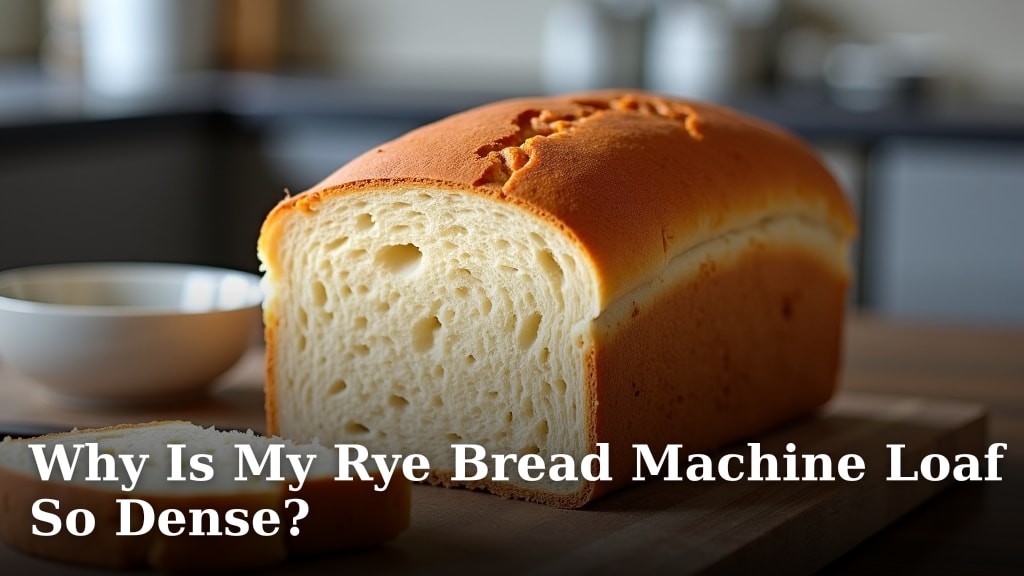
Don't swap flour only to make a small loaf softer. If you're using a dense rye recipe, see Why Is My Rye Bread Machine Loaf So Dense? for flour-specific troubleshooting.
How can you tell whether the recipe is too large?
Compare the recipe's stated loaf size with your machine's manual. Check the machine's maximum flour or dough capacity and its recommended cycle for that size.
During mixing, watch for signs that the batch doesn't fit well: dough pushing up the pan walls, dry flour left in corners, or the paddle turning without gathering the dough. See an uncooked bread top.
Follow the manual if the machine strains, makes unusual sounds, or appears overloaded.
The finished loaf can offer clues too. See thick Cuisinart crust.
A collapsed top may point to excess rise or weak structure, while a tight, heavy crumb can have several causes, including low hydration, poor kneading, or too much flour.
Texture alone can't confirm that batch size is the problem.
Does a smaller loaf help whole wheat or keto bread?
It can help if the original batch is oversized, but specialty doughs need their own recipe balance. Whole wheat flour and low-carb ingredients can behave differently from basic white bread.
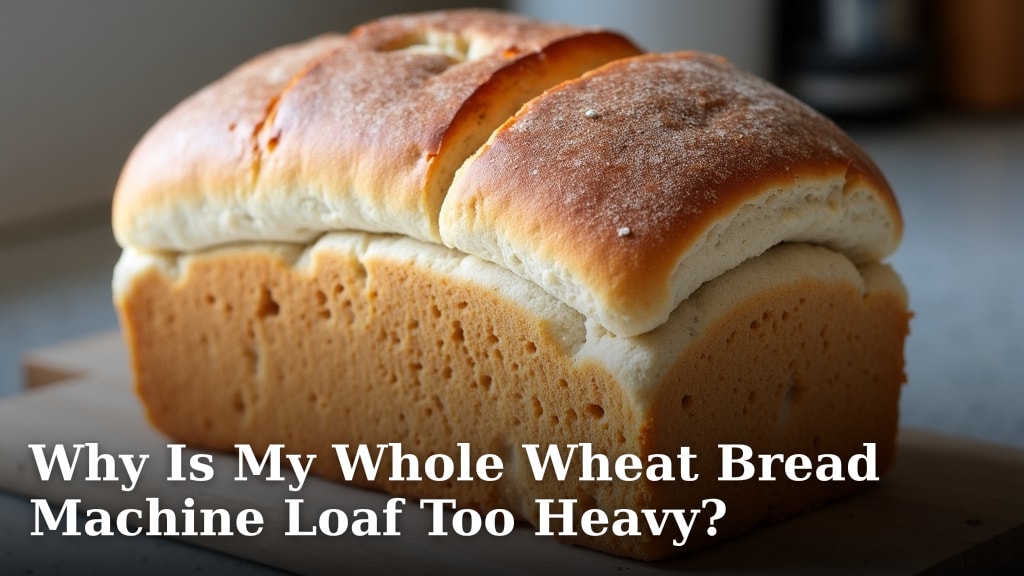
Whole wheat dough may need more liquid or a longer rest, depending on the formula. For more specific causes, read Why Is My Whole Wheat Bread Machine Loaf Too Heavy?.
Keto recipes may rely on eggs, seeds, or other ingredients that don't behave like wheat flour. A smaller batch won't necessarily fix a crumbly loaf; see Why Is My Keto Bread Machine Loaf Crumbly? before changing the recipe.
What products help you work on bread texture?
Start with a recipe source or ingredient that fits your method. These items offer reference or ingredient options, but none guarantees a better result in a bread machine.
Ken Forkish's Flour Water Salt Yeast is a 272-page artisan bread and pizza cookbook with straight-dough, pre-ferment, and levain methods suited to home baking. Use it to learn about bread formulas and fermentation, while following your bread machine's instructions for machine-baked loaves.
It's focused on artisan bread and pizza methods, so it isn't a substitute for a bread machine recipe written for your pan and cycle.
How do you test whether a smaller batch works?
Change batch size while keeping the recipe and cycle consistent. If you alter the flour, yeast, cycle, and loaf size at once, you won't know which change affected the crumb.
- Choose a recipe sized for your machine, or scale all ingredients proportionally.
- Use the same flour and cycle for the comparison.
- Check the dough during kneading if the manual permits it.
- Let each loaf cool before slicing.
- Compare the crumb, loaf shape, and any flour left in the pan.
If the smaller version mixes poorly or bakes unevenly, return to a machine-sized formula. For a flat sourdough loaf, batch size is only one possible factor; see Why Is My Sourdough Bread Machine Loaf Flat?.
When should you keep the larger loaf?
Keep the larger size if it fits your machine and the crumb is already even. A smaller loaf may save ingredients, but it won't improve texture by itself.
Choose a smaller, correctly scaled recipe when the current batch crowds the pan or kneads unevenly. See vacuum sealing bread.
Keep the original size when it mixes cleanly and bakes through, and investigate flour, hydration, yeast, and cycle choice if the crumb still disappoints.
For a smaller batch, start with How To Make A Smaller Loaf In A Bread Maker?, then compare the finished crumb only after the loaf has cooled.
Frequently asked questions
Does a smaller loaf bake better in a bread machine?
Sometimes. A smaller loaf may mix and knead more evenly when a large dough batch crowds the pan or strains the machine's mixing pattern.
But if the recipe is already sized for the machine, reducing ingredients without preserving their ratios can cause poor rise and a dry or dense crumb.
Why is my small bread machine loaf dense?
A small loaf can turn out dense if its ingredients are not scaled proportionally, the yeast is weak, or the dough is too dry. Check that the recipe matches your machine's loaf size, measure flour carefully, and watch the dough during the first kneading cycle if your manual allows it.
Can I use a large loaf recipe for a small bread machine?
Only if the recipe's total dough amount fits the machine's capacity and pan. Use a recipe written for your loaf size or scale every ingredient by the same factor, including yeast, salt, and liquids.
Follow your manual's maximum capacity and cycle guidance.
How do I get a softer crumb from a bread machine?
Use a recipe sized for your pan, measure ingredients accurately, and choose a cycle suited to the flour and dough. Let the loaf cool before slicing so the crumb can set.
If the result stays heavy, check hydration, yeast freshness, and whether the loaf is overfilled or under-kneaded.