
How Much Does a Dutch Oven for Bread Cost?
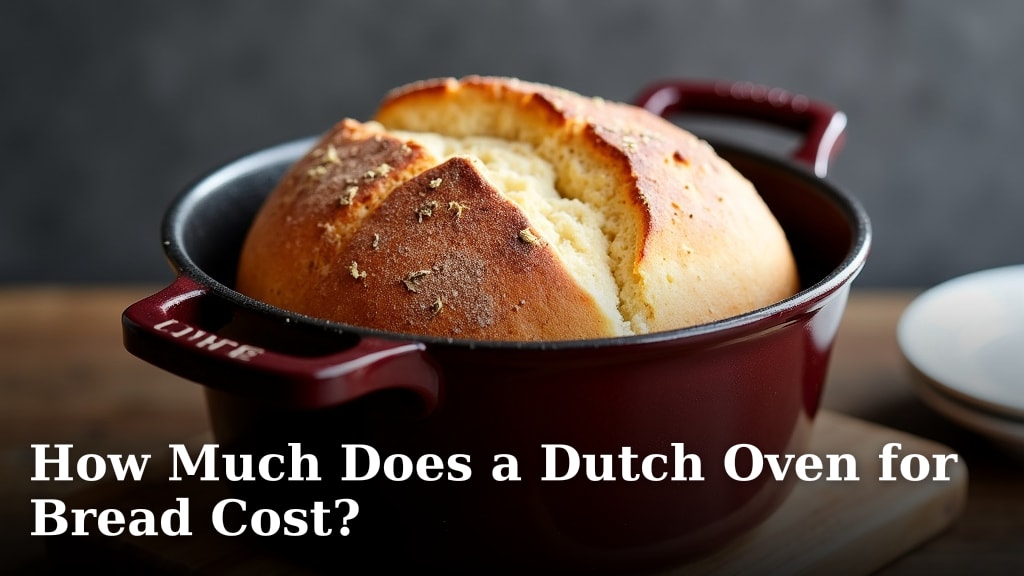
You’re probably wondering how much a Dutch oven for bread actually costs. The price can range from a budget-friendly $30 to over $400, depending on the brand, material, and size you choose.
We found that most home bakers are perfectly happy with a mid-range option. Brands like Lodge offer reliable cast iron Dutch ovens at accessible prices. More premium brands might offer unique features or sleeker designs, but they aren’t always necessary for great bread.
- Dutch ovens for bread vary greatly in price.
- Expect to spend between $30 and $400+.
- Budget-friendly options are great for beginners.
- Mid-range models offer a good balance of quality and cost.
- High-end choices provide premium features and design.
Let’s dive into the factors that influence the price so you can find the perfect Dutch oven for your baking adventures.
Understanding the Cost of a Bread Dutch Oven
So, you’re curious about how much you’ll need to spend on a Dutch oven specifically for baking bread. You’ve probably seen a huge range of prices, and it can be confusing! We’ve researched this for you, and the truth is, the cost can swing quite a bit. You can find perfectly good options for as little as $30, while some premium models can reach well over $400. It really depends on what you’re looking for.
But don’t let the price tags overwhelm you! For most home bakers, a mid-range Dutch oven offers the best bang for your buck. Brands like Lodge are frequently recommended because they deliver excellent results without breaking the bank. We found that paying more doesn’t always mean better bread, but it can mean nicer finishes or added convenience.
Key Factors That Influence Dutch Oven Pricing
What makes one Dutch oven cost more than another? It’s a combination of things. Think of it like buying a car: a basic model gets you from A to B, but a luxury model adds extra features and comfort. The materials, brand reputation, and even the size of the pot all play a role in its final price tag. Let’s break down these elements so you can make an informed decision.
Material Matters: Cast Iron vs. Enameled Cast Iron
The most common material for Dutch ovens is cast iron. It’s fantastic at retaining and distributing heat evenly, which is essential for great bread crust. Raw cast iron requires seasoning, much like a cast iron skillet, to prevent rust and sticking. This is often the most budget-friendly option.
Enameled cast iron is also very popular. It has a porcelain enamel coating that makes it non-stick and prevents rust. This means no seasoning is needed, and cleanup is usually a breeze. The enamel coating adds to the manufacturing cost, which is why enameled Dutch ovens are typically more expensive than their raw cast iron counterparts. Many chefs and home bakers appreciate the ease of use that enamel provides.
Brand Reputation and Manufacturing Quality
Just like with any product, brand name plays a role in price. Well-established brands that have been making cookware for decades often command higher prices. This is partly due to their reputation for quality and durability. They’ve likely perfected their manufacturing processes over time.
You might find that smaller, artisanal brands or those focused on high-end aesthetics also charge a premium. They might use unique designs, offer a wider range of colors, or have more intricate features. We found that many home bakers are perfectly happy with the reliable performance of more mainstream brands, even if they aren’t the most “designer.”
Size and Capacity: More Pot, More Price
The size of the Dutch oven will affect its cost. Larger pots require more material to produce, which naturally increases the price. If you plan on baking large loaves of bread, you’ll need a bigger Dutch oven. A common size for bread baking is a 5-quart or 6-quart pot.
For individuals or couples, a smaller 3-quart or 4-quart pot might suffice for smaller loaves or rolls. However, keep in mind that a pot that’s too large can sometimes lead to uneven baking for smaller doughs. We found that most recipes for standard round or oval loaves are designed for pots in the 5-6 quart range. Think about how many people you’re usually baking for and the typical size of the loaves you envision.
Price Tiers for Dutch Ovens for Bread Baking
To give you a clearer picture, let’s look at the price ranges and what you can typically expect in each. This will help you set a budget and know what kind of quality to look for.
Budget-Friendly Options ($30 – $75)
In this price range, you’ll primarily find raw cast iron Dutch ovens. Brands like Lodge are a standout here. They offer excellent heat retention and durability. While they require seasoning and careful maintenance to prevent rust, they perform admirably for bread baking.
You might also find some basic enameled options from lesser-known brands. These can be hit or miss in terms of enamel quality and even heating. However, for a beginner just wanting to try bread baking without a big investment, these can be a great starting point. Just be prepared for potential minor imperfections.
Mid-Range Choices ($75 – $175)
This is where you’ll find the sweet spot for many home bakers. You’ll get high-quality enameled cast iron Dutch ovens from reputable brands like Lodge, Staub (on sale), or Cuisinart. These pots offer the convenience of enamel coating, excellent heat distribution, and a good balance of durability and aesthetics.
You can also find larger or more premium raw cast iron options in this range. The lids might fit a bit more snugly, or the overall finish might be smoother. We found that many people are thrilled with their baking results using a Dutch oven in this price bracket. It’s a good investment for regular bread bakers.
Premium and High-End Models ($175 – $400+)
When you enter this tier, you’re looking at top-of-the-line brands such as Le Creuset, higher-end Staub models, or specialized cookware. These Dutch ovens often feature superior enamel finishes, more ergonomic handles, unique lid designs for better steam control, and a wider array of attractive colors.
They might also offer lifetime warranties or exceptional customer support. While the baking performance is often very similar to mid-range options, the price reflects the brand prestige, design details, and perceived longevity. For serious enthusiasts or those who appreciate fine kitchenware, these can be a joy to own and use.
Comparing Dutch Oven Costs: A Quick Look
To help visualize the price differences, consider this table. It shows typical price ranges for common sizes and types. Remember, these are approximate and can fluctuate with sales and retailers.
| Dutch Oven Type | Typical Size (Quarts) | Estimated Price Range (USD) | Pros | Cons |
|---|---|---|---|---|
| Raw Cast Iron | 5-6 | $30 – $100 | Affordable, excellent heat retention, durable | Requires seasoning, can rust if not cared for, heavier |
| Enameled Cast Iron (Mid-Range) | 5-6 | $75 – $175 | Easy to clean, no seasoning needed, good heat distribution, attractive | More expensive than raw, enamel can chip |
| Enameled Cast Iron (Premium) | 5-6 | $175 – $400+ | Superior finishes, ergonomic designs, wide color selection, excellent heat | Highest cost, performance often similar to mid-range |
As you can see, there’s a wide spectrum. But don’t feel pressured to buy the most expensive option right away. Many bakers start with a budget-friendly raw cast iron pot and are incredibly happy with their sourdough and artisan loaves.
Making Your Final Choice: What to Consider
Before you click “add to cart,” let’s quickly recap what you should be thinking about. Your budget is a big factor, of course. But also consider your baking habits. Do you bake bread every week? Or is this a new hobby you’re trying out?
Think about the size of your typical loaves. Most recipes for a standard 4-cup flour loaf will fit comfortably in a 5-6 quart Dutch oven. If you’re baking for a crowd or love those huge boules, you might lean towards a 7-quart or larger.
Consider maintenance. Are you okay with the regular seasoning and care that raw cast iron requires? Or does the ease of cleaning an enameled pot appeal more to you? Both will produce fantastic bread. It’s truly about personal preference and how much you want to invest.
Here’s a quick checklist to guide your decision:
- Determine your loaf size needs.
- Decide between raw or enameled cast iron.
- Set a realistic budget.
- Research brands within your price range.
- Read reviews specifically about bread baking performance.
- Consider the weight and ease of handling.
Ultimately, the best Dutch oven for your bread is the one that fits your kitchen, your budget, and your baking style. Don’t get too caught up in the price; focus on finding a pot that will help you create delicious, crusty loaves!
Conclusion
Finding the right Dutch oven for your bread baking doesn’t have to break the bank. We’ve seen that prices can range from a budget-friendly $30 to over $400, with most home bakers finding excellent results in the $75-$175 mid-range. Whether you opt for the seasoned character of raw cast iron or the easy cleanup of enameled cast iron, the key is choosing a size and material that fits your baking habits and budget. Now that you understand the factors influencing cost, you’re well-equipped to choose a Dutch oven that will help you bake amazing loaves for years to come. Your next step is to browse options within your chosen price tier and get ready for your best crust yet!
Frequently Asked Questions
Is a $30 Dutch oven good enough for baking bread?
Yes, a $30 Dutch oven, often a raw cast iron model, can be perfectly suitable for baking bread. These budget-friendly options excel at heat retention, which is crucial for developing a great crust. You’ll just need to properly season and care for it to prevent rust and ensure it lasts.
Do I really need an expensive Dutch oven like Le Creuset for good bread?
No, an expensive Dutch oven like Le Creuset is not essential for good bread. While premium brands offer superior finishes and design, our research found that mid-range and even budget-friendly options perform remarkably well. You can achieve fantastic crusty loaves with many different types of Dutch ovens.
What size Dutch oven is best for most bread recipes?
For most standard round or oval loaves, a 5-quart or 6-quart Dutch oven is typically the best size. This capacity provides enough room for your dough to rise without being too large, which can sometimes lead to uneven baking. Check your recipe for specific recommendations.
How does the material affect the price of a Dutch oven for bread?
Material significantly impacts price. Raw cast iron is generally the most affordable option as it requires less manufacturing. Enameled cast iron costs more due to the added porcelain coating, which makes it easier to clean and maintain. Premium enamel finishes and higher-quality materials will further increase the cost.
Should I buy a Dutch oven on sale if I’m on a tight budget?
Absolutely! Watching for sales on mid-range Dutch ovens can be a smart way to get a high-quality enameled pot for a more budget-friendly price. Even premium brands occasionally go on sale, making them more accessible. It’s a great strategy to get more value for your money.
