
How to Make Gluten Free Pizza Dough in a Bread Machine?
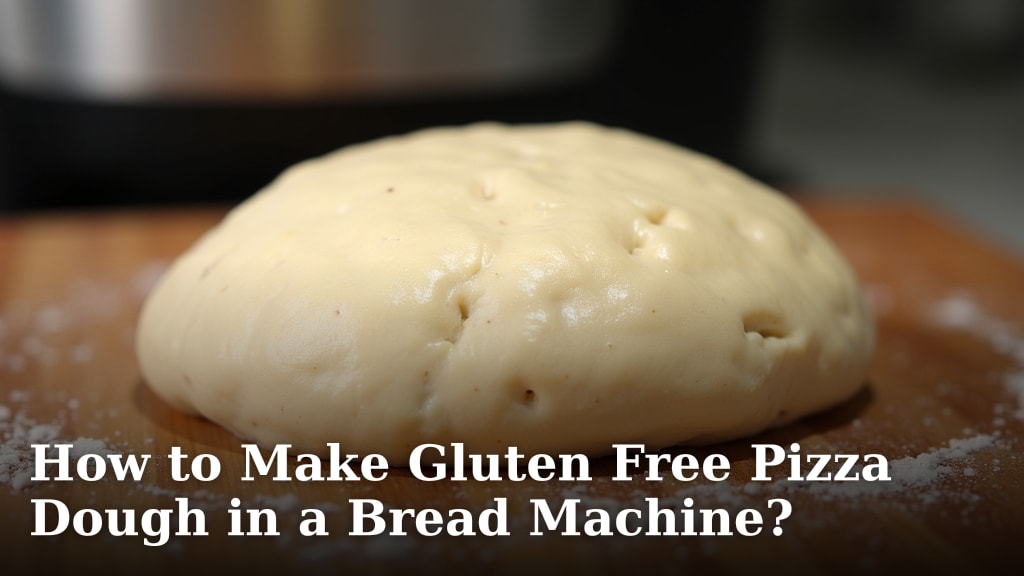
Yes, you absolutely can make delicious gluten-free pizza dough in a bread machine! It’s surprisingly simple and requires just a few key ingredients and steps to get that perfect crust. With the right recipe and your trusty bread maker, gluten-free pizza night is back on the menu.
Making pizza dough at home means you control the ingredients. For gluten-free versions, this is especially helpful. We found that using a good blend of gluten-free flours and the right liquid balance makes all the difference. You’ll be enjoying fresh homemade pizza in no time.
- Use a quality gluten-free flour blend.
- Measure ingredients precisely.
- Let the bread machine do the mixing and kneading.
- Shape and bake your pizza as usual.
Let’s walk through how to get that perfect gluten-free pizza dough made with your bread machine, step by step.
Your Bread Machine’s New Pizza Dough Gig
Making gluten-free pizza dough in your bread machine is entirely possible. You’ll get a wonderfully chewy and flavorful crust. This method takes the guesswork out of gluten-free baking. Your bread maker becomes your personal dough assistant. It handles the heavy lifting of mixing and kneading for you.
Gathering Your Gluten-Free Pizza Dough Ingredients
The right ingredients are key for delicious gluten-free pizza. It’s not just about swapping one flour for another. A good gluten-free blend works best. This typically includes a mix of rice flour, tapioca starch, and potato starch. Sometimes, you’ll find sorghum or millet flour in these blends. These flours mimic the texture of traditional wheat flour.
The Flour Blend Matters
Many ready-made gluten-free all-purpose flour blends are designed for baking. Look for one that contains xanthan gum. This acts as a binder, replacing gluten’s role. If your blend doesn’t have it, you’ll need to add it separately. We found that brands specifically stating they are good for bread making often perform better.
Checking the ingredients of your flour blend is important. Some blends are heavier on bean flours, which can impart a distinct flavor. A balanced blend usually yields the most neutral and pleasant taste. This allows your pizza toppings to shine.
Don’t Forget the Xanthan Gum!
Xanthan gum is a powerful ingredient in gluten-free baking. It provides elasticity and structure to the dough. Without it, your pizza crust can turn out crumbly. Many commercial gluten-free flour blends already include xanthan gum. Always check the packaging before adding extra.
If your blend *doesn’t* have xanthan gum, you’ll need to add it. The amount is usually small, often 1/2 to 1 teaspoon per cup of flour. Adding too much can make the dough gummy. You can find xanthan gum in most well-stocked grocery stores. It’s usually in the baking aisle.
Other Essential Dough Components
Beyond flour, you’ll need active dry yeast. This is what makes your dough rise. Make sure your yeast is fresh. Expired yeast won’t activate, leading to a flat crust. Sugar feeds the yeast, helping it to do its job. A little salt enhances the flavor of the dough. You’ll also need a liquid, typically warm
Conclusion
You’ve learned that making delicious gluten-free pizza dough in your bread machine is totally achievable. By using a quality gluten-free flour blend, paying attention to ingredients like xanthan gum, and letting your machine handle the kneading, you’re set for success. This method takes the stress out of gluten-free baking. So, gather your ingredients and get ready to enjoy your next homemade gluten-free pizza night!
Frequently Asked Questions
Can I use a regular bread machine recipe for gluten-free dough?
No, you generally can’t use a standard wheat-based bread machine recipe for gluten-free dough. Gluten-free flours behave differently than wheat flour, requiring different liquid ratios and often binders like xanthan gum. Always use a recipe specifically designed for gluten-free bread machines.
What happens if my gluten-free flour blend doesn’t have xanthan gum?
If your gluten-free flour blend doesn’t contain xanthan gum, your pizza dough will likely be crumbly and lack structure. You’ll need to add it separately to mimic gluten’s binding properties. Check your flour blend’s packaging to see if it’s already included.
Why is my gluten-free pizza dough not rising in the bread machine?
Common reasons for a lack of rise include expired yeast, using water that was too hot or too cold (which kills or prevents yeast activation), or an incorrect measurement of ingredients. Ensure your yeast is fresh and the liquid is lukewarm.
How do I get a crispy gluten-free pizza crust from bread machine dough?
To achieve a crispier crust, after the dough cycle, you can let it rest for a bit, then pre-bake the crust for 5-7 minutes before adding toppings. Using a pizza stone or baking steel can also help distribute heat more evenly for a crispier bottom.
Can I freeze gluten-free pizza dough made in a bread machine?
Yes, you can freeze gluten-free pizza dough. Shape it into a ball, wrap it tightly in plastic wrap, and then place it in a freezer-safe bag or container. Thaw it in the refrigerator overnight before using, and let it come to room temperature for easier shaping.
