
Why Does My Bread Machine Bread Taste Bland?

Your bread machine bread tastes bland because the flavor-building ingredients are often overlooked. Baking your own bread is wonderful, but a lack of salt, sugar, or fat can lead to a disappointing taste. You might also be missing out on flavor enhancers that make a big difference.
Many bread machine users find their loaves lack that homemade punch. We’ve researched this common issue and found that it usually comes down to a few simple recipe tweaks. Even with a great machine, your bread relies on careful ingredient balance for that delicious, savory flavor you’re hoping for.
- Missing Salt: The most common culprit for blandness.
- Not Enough Sugar: Sugar feeds yeast and adds sweetness.
- Lack of Fat: Butter or oil adds richness and depth.
- Weak Liquids: Water is okay, but milk or buttermilk add flavor.
- No Flavor Boosters: Herbs, spices, or cheese can liven things up.
Let’s walk through how to make your bread machine loaves much more exciting. We’ll look at the key ingredients and simple additions that can transform your bread from bland to brilliant.
Fixing Bland Bread Machine Loaves
Your bread machine is a wonderful tool. It does all the hard work for you. But sometimes, the bread comes out a bit… meh. It might taste bland. This can be really disappointing. You expect that delicious homemade flavor. We’ve looked into why this happens. Often, it’s because a few key ingredients are missing or not in the right amounts. Let’s fix that.
The Essential Role of Salt
Salt is often the number one reason your bread tastes bland. It’s not just for flavor. Salt plays a really important role in bread. It helps control the yeast. This means your dough won’t rise too fast. It also strengthens the gluten. Gluten is what gives bread its structure. Without enough salt, the bread can be flat and taste like nothing. We found that most recipes need about 1 to 1.5 teaspoons of salt per loaf. Check your recipe. Is it close to this? If not, that’s likely your culprit.
How Salt Enhances Flavor
Think of salt like a flavor enhancer. It doesn’t just make things salty. It actually makes other flavors pop. It’s like adding a pinch of salt to your coffee. It makes the coffee taste more like coffee. Similarly, salt makes the natural sweetness of the flour come through. It also balances any bitterness. Many bread machine recipes might be too cautious with salt. They might be trying to be “healthy.” But this can backfire. You end up with flavorless bread. Many bread guidelines suggest using fine sea salt or kosher salt. These dissolve well in dough.
Adjusting Salt in Your Recipe
If your bread is bland, try adding a little more salt. Start with an extra half teaspoon. See how it tastes. You can always add more next time. Be careful not to add too much. You don’t want it to taste salty. You want it to taste *right*. You might be surprised how much difference a little salt makes. It truly transforms the whole loaf. Many experts recommend using the amount of salt specified in a trusted cookbook or recipe. Don’t guess if you’re unsure.
Sweetness for Flavor and Function
Sugar does more than just make things sweet. In bread, it’s a food source for the yeast. Yeast eats sugar and produces carbon dioxide gas. This gas makes the bread rise. So, sugar helps with texture and volume. But it also adds a subtle sweetness. This sweetness is a key part of the overall flavor profile. If your bread machine recipe doesn’t call for enough sugar, it might not rise well. It also won’t have that nice, mild sweetness. This can make it taste flat.
The Right Kind of Sweetener
Granulated white sugar is common. But you can experiment. Brown sugar adds a lovely caramel note. Honey or maple syrup can give a more complex flavor. Just remember that liquid sweeteners add moisture. You might need to slightly adjust other liquids. Recipes often call for 1 to 3 tablespoons of sugar. If yours is on the low end, consider adding a bit more. This can boost both flavor and the rise. We found that recipes using a tablespoon or two of sugar taste much better than those with none.
Don’t Forget the Dough’s Diet
Your yeast are hungry little things. They need food to do their job. Sugar is their favorite snack. If there isn’t enough sugar, they get sluggish. The bread won’t develop that rich, complex flavor that comes from a good fermentation. A little bit of sweetness is key. It balances the other ingredients. It makes the bread more palatable. It’s not about making sweet bread. It’s about balancing the savory notes. Think of it as a foundation for flavor.
The Importance of Fat
Fat adds richness. It makes bread tender and moist. It also contributes a lot to the flavor. Think about the difference between plain water bread and buttered bread. Butter adds so much more. Common fats in bread include butter, oil, and shortening. Butter adds a lovely, creamy flavor. Vegetable oil or olive oil add their own subtle tastes. Shortening makes bread very tender. Without enough fat, your bread can be dry and bland. It can also have a crumbly texture.
Choosing Your Fat Source
Butter is a popular choice. It has a great flavor. But it can be a bit more expensive. Vegetable oils are usually a good, budget-friendly option. Olive oil can add a distinct flavor, which is great for Mediterranean-style breads. You might want to avoid strong-flavored oils for basic white bread. Recipes typically use 1 to 4 tablespoons of fat. If your recipe is on the lower end, adding a bit more can make a big difference. We found that increasing fat from 1 tablespoon to 2 or 3 tablespoons really improved the richness.
Fat and Shelf Life
Fat also helps bread stay fresh longer. It keeps the crumb moist. This means your bread won’t go stale as quickly. So, adding a bit more fat isn’t just about immediate taste. It’s also about enjoying your bread for a few days. Many commercial breads have added fats for this reason. They want the bread to have a good texture and last longer. Your bread machine bread deserves the same. Consider unsalted butter for better flavor control.
Liquid Ingredients: More Than Just Water
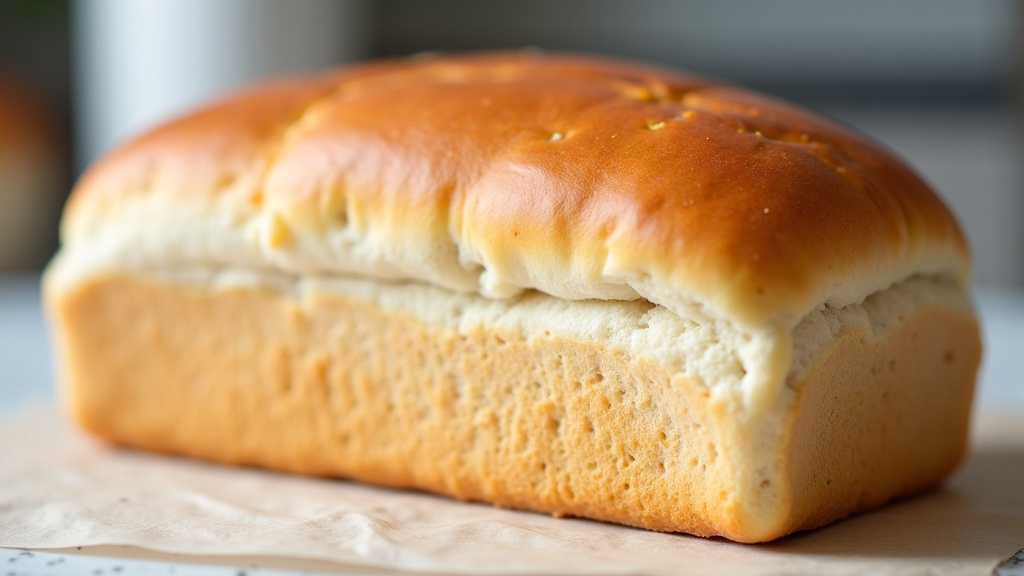
Most bread machine recipes start with water. Water is fine. It does the job of hydrating the flour. But it doesn’t add any flavor. If you want more flavor, try using different liquids. Milk is a fantastic option. It adds a subtle sweetness and richness. It also helps create a softer crust. Buttermilk is another great choice. It adds a slight tang that is delicious. It also tenderizes the crumb.
Dairy vs. Non-Dairy Liquids
Whole milk is best for flavor and richness. You can also use 2% or skim milk. But the flavor won’t be as pronounced. Non-dairy milks like almond or soy milk can be used. They will add their own subtle flavors. Some people find they don’t add as much richness as dairy. If you’re using a non-dairy milk, try to choose one that’s unsweetened. This gives you more control over the sweetness. For a really tangy bread, try using plain yogurt mixed with water.
Flavorful Additions to Your Liquids
You can also infuse your liquids with flavor. Gently heat milk or water. Add herbs like rosemary or thyme. Let it steep for a few minutes. Then strain out the herbs before using the liquid. This adds a wonderful aroma and taste. It’s a simple trick that makes a big impact. Many bread enthusiasts swear by this method. It’s a way to make your bread truly unique.
Boosting Flavor with Extras
Plain bread is a blank canvas. But you can add so much more! Think about herbs, spices, and other mix-ins. These can transform a basic loaf into something special. Don’t be afraid to get creative. Your bread machine can handle most additions. Just make sure they are added at the right time. Usually, the machine will beep when it’s time for mix-ins like nuts or seeds.
Herbs and Spices
Dried herbs are easy to add. Rosemary, thyme, oregano, and basil work well. For a savory bread, try garlic powder or onion powder. A pinch of black pepper can add a nice kick. For a sweeter bread, cinnamon, nutmeg, or cardamom are great choices. You can combine spices for unique blends. A good rule of thumb is about 1 to 2 teaspoons of dried herbs or spices per loaf. Adjust this based on your preference.
Cheeses and Other Goodies
Shredded cheese is a wonderful addition. Cheddar, Parmesan, or Swiss cheese add great flavor. Make sure the cheese is finely shredded so it melts well. Other mix-ins include chopped olives, sun-dried tomatoes, or cooked bacon bits. For sweet breads, chocolate chips or dried fruit like raisins or cranberries are delicious. These additions make your bread more interesting. They give it a reason to be eaten.
Quick Checklist for Tastier Bread Machine Loaves
Ready to make your next loaf amazing? Here’s a quick checklist:
- Add at least 1 teaspoon of salt.
- Include 1-3 tablespoons of sugar.
- Incorporate 2-4 tablespoons of fat (butter or oil).
- Consider using milk instead of water.
- Add a teaspoon or two of dried herbs or spices.
- Experiment with savory or sweet mix-ins.
By paying attention to these key ingredients, you can banish blandness forever. Your bread machine is capable of so much more than you might think. Give these tips a try, and get ready for some seriously delicious homemade bread!
Conclusion
You’ve learned that bland bread machine loaves aren’t a mystery. It often comes down to overlooked flavor builders like salt, sugar, and fat. Your machine does the heavy lifting, but the right ingredients make all the difference. Simple swaps, like using milk instead of water or adding a pinch of herbs, can transform your bread. Don’t let another loaf be forgettable. Your next bake can be your best one yet. Try adding just a little more salt and fat to your usual recipe. You’ll taste the delicious change immediately.
Frequently Asked Questions
Why does my bread machine bread come out dry even with enough liquid?
Dry bread can sometimes point to not enough fat in your recipe. Fat adds moisture and makes the crumb tender. Also, consider the type of liquid you’re using. Milk or buttermilk can contribute more moisture and richness than plain water. You might also need to adjust the liquid slightly based on your flour type.
Can I use less salt in my bread machine recipe?
While you can reduce salt, it’s not recommended for flavor and texture. Salt enhances other flavors, balances sweetness, and controls yeast activity for a better rise. If you’re trying to reduce sodium, consider using a good quality sea salt at the lower end of the recommended range, around 1 teaspoon per loaf.
My bread machine recipe has no sugar. Is that okay?
A recipe without sugar will likely result in bland bread and a slower rise. Sugar feeds the yeast, helping the bread to rise and develop flavor. It also adds a subtle sweetness that balances the other ingredients. Try adding 1-2 tablespoons of sugar to your recipe for better results.
What’s the best way to add herbs to bread machine bread?
For dried herbs, add them with your dry ingredients at the beginning. This allows their flavor to infuse throughout the dough. If using fresh herbs, chop them finely and add them during the last few minutes of kneading, usually when the machine beeps for mix-ins. About 1-2 teaspoons of dried herbs per loaf is a good starting point.
Will adding cheese make my bread machine bread taste too salty?
It depends on the cheese. Cheeses like Parmesan or sharp cheddar can add saltiness. If you’re adding cheese, you might want to slightly reduce the amount of salt called for in the recipe. Start with a mild cheese or a smaller amount if you’re concerned about saltiness.
