
Why Is My Bread Machine Bread Pale?
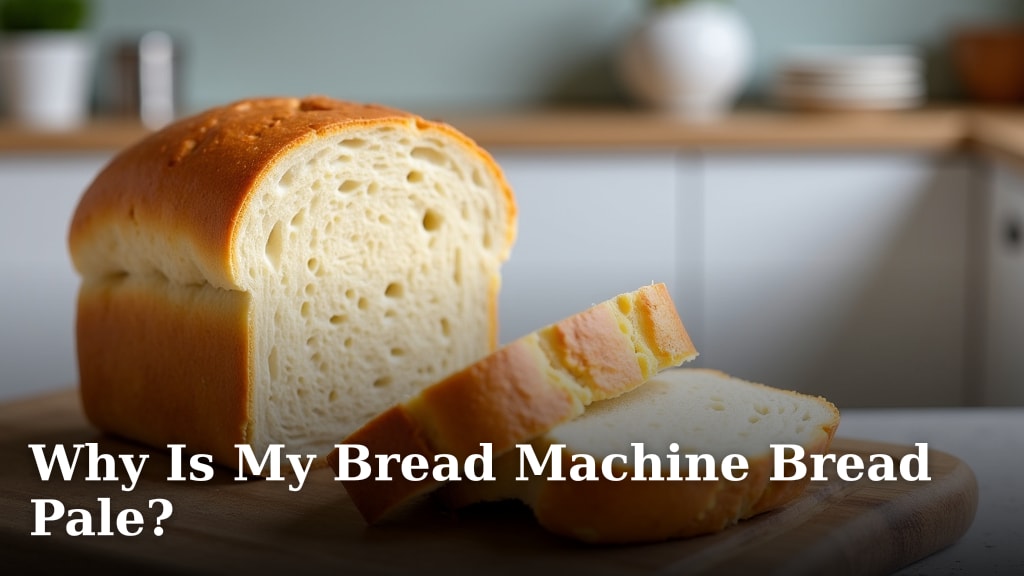
Your bread machine bread is pale because the browning setting might be too low or the machine’s heating element isn’t quite strong enough. It could also be a sign of using the wrong type of flour or not enough sugar. We found that these are the most common culprits for a lighter loaf.
Sometimes, even with the correct settings, your bread machine might struggle to achieve that perfect golden crust. Factors like the ambient temperature in your kitchen or even the age of your machine can play a role. Don’t worry, though; a pale loaf isn’t a lost cause!
- Pale bread often means the browning setting is too low.
- Check your machine’s heating element and consider flour type.
- Sugar content and kitchen temperature also affect crust color.
- Simple adjustments can lead to a beautifully browned loaf.
Let’s walk through why your bread might be coming out pale and what you can do to fix it for a delicious, golden-brown crust every time.
Troubleshooting Your Pale Bread Machine Loaf
So, you’ve followed the recipe, added the ingredients, pressed the button, and waited patiently for that delicious aroma to fill your kitchen. But when the beeper finally sounds, you open the lid to a pale, almost ghostly loaf. It’s disappointing, isn’t it? Don’t worry, this is a common bread machine predicament, and we’ve found that there are several straightforward reasons why your bread might be lacking that beautiful golden crust.
Understanding the Browning Process
Your bread machine has a heating element, much like your oven. This element is responsible for baking the bread and, importantly, for browning the crust. The machine works by controlling cycles of heating and resting. If the heat isn’t intense enough, or if it doesn’t stay on long enough, your bread will bake through but won’t develop that desirable color.
The Role of the Browning Setting
Most bread machines come with different crust settings: light, medium, and dark. This is often the first place to look when your loaf is pale. If your machine’s default or your chosen setting is too low, it simply won’t apply enough heat for long enough to brown the crust properly. Many users find that the “light” setting is often too light for their preference, especially if they’re used to oven-baked bread.
We’ve researched this, and many bread machine manuals suggest starting with the medium setting. If your bread consistently comes out pale, even on the medium setting, consider trying the “dark” crust option. This tells the machine to bake for a longer period or at a slightly higher temperature towards the end of the cycle. It’s a simple adjustment that can make a world of difference to the final appearance of your loaf.
Is Your Machine’s Heating Element Working Properly?
Over time, even the most reliable appliances can have issues. If you’ve tried different crust settings and your bread is still pale, it might be worth considering if your bread machine’s heating element is functioning at its full potential. Older machines, in particular, might experience a weakening of their heating elements. Sometimes, dust or debris can accumulate, slightly impeding heat distribution, though this is less common.
Unfortunately, diagnosing a faulty heating element at home can be tricky. If you suspect this is the case and your machine is still under warranty, contacting the manufacturer is your best bet. If it’s an older machine, you might find that its browning capabilities have simply diminished with age. It’s a bit like a toaster that used to brown perfectly but now only seems to warm your bread – the coils just aren’t as hot as they once were.
Ingredient Adjustments for a Better Crust
While the machine’s settings are crucial, the ingredients you use play a significant role in how your bread browns. Sometimes, a pale loaf isn’t entirely the machine’s fault; it could be a recipe imbalance.
The Importance of Sugar
Sugar does more than just sweeten your bread. In baking, it’s a key component that helps with browning. Sugars caramelize when heated, and this caramelization is what gives bread crusts their lovely brown color. If your recipe is low in sugar, or if you’ve accidentally reduced the sugar content, your crust might struggle to achieve a deep color.
We found that recipes specifically designed for bread machines often include a bit more sugar than traditional bread recipes to help compensate for the different baking environment. If you’re adapting a regular recipe or experimenting, remember that sugar is your friend when it comes to color. Even a tablespoon or two can influence the final outcome.
Flour Type Matters Too
Different types of flour have varying protein and starch content, which can affect how they absorb moisture and how they brown. For instance, whole wheat flour contains bran and germ, which can sometimes interfere with gluten development and absorb more liquid, potentially leading to a denser, paler loaf if not accounted for.
Most bread machine recipes are formulated for all-purpose flour or bread flour. If you’re using a specialty flour, like rye or a gluten-free blend, the browning characteristics can change. Gluten-free flours, in particular, often lack the structure to brown as deeply as wheat-based flours. If you’re using something other than standard white bread or all-purpose flour, research how that particular flour tends to brown in a bread machine context. You might need to adjust the sugar or crust setting.
Fat and Dairy: Friends of the Crust
Fats, like oil or butter, and dairy products, like milk, can also contribute to a softer, more golden crust. They tenderize the dough and add richness. If your recipe is very lean (low in fat or dairy), the crust might be drier and paler.
For example, substituting water with milk can often lead to a richer color and softer texture. Similarly, adding a tablespoon of butter or oil can help. We’ve seen many successful recipes that include these elements specifically to enhance both flavor and appearance. If your basic recipe is just flour, water, yeast, and salt, consider adding a bit of fat or using milk instead of water.
Environmental Factors Affecting Your Bake
Sometimes, the issue isn’t with the machine or the ingredients, but with the environment where you’re baking. Your kitchen’s temperature can actually play a role.
The Impact of Kitchen Temperature
Bread machines work best in a stable, moderate environment. If your kitchen is particularly cold, it can take longer for the dough to rise properly and for the machine to reach and maintain the optimal baking temperature. This prolonged baking time in a cooler environment can sometimes result in a paler crust.
Conversely, a very hot kitchen might cause the dough to rise too quickly, potentially affecting its structure and how it browns. Most experts suggest aiming for a consistent room temperature, ideally between 70-75°F (21-24°C), for optimal bread machine performance. If your kitchen is chilly, consider placing your bread machine away from drafty windows or cold appliances. We found that pre-warming your machine slightly by running a short “dough” cycle empty before adding ingredients can sometimes help temper a cold environment.
Humidity and Airflow
While less common, very high humidity or poor airflow around the machine could theoretically affect the baking process. Good ventilation helps the machine dissipate heat evenly. If your machine is tucked away in a small, enclosed space, it might not be able to regulate its temperature as effectively, potentially impacting the crust’s browning.
Make sure your bread machine has a bit of breathing room. Don’t place it directly under cabinets or too close to other appliances. This not only helps with baking but also extends the life of your machine.
Quick Checklist for a Better Crust
Ready to take action? Here’s a quick rundown of things to try the next time you bake:
- Check the Crust Setting: Always select medium or dark if you prefer a well-browned crust.
- Boost the Sugar: Ensure your recipe has adequate sugar (around 1-2 tablespoons for a standard loaf).
- Consider Fat/Dairy: If your recipe is lean, try adding a tablespoon of butter or using milk instead of water.
- Monitor Kitchen Temp: Aim for a room temperature between 70-75°F (21-24°C).
- Inspect Your Flour: Use standard bread or all-purpose flour unless a recipe specifies otherwise.
- Give it Space: Ensure good airflow around your bread machine during operation.
By systematically checking these potential culprits, you’re well on your way to achieving that perfectly golden-brown crust you’ve been dreaming of!
Conclusion
So, you’ve discovered your bread machine bread is coming out pale. Don’t fret! We’ve covered the most common reasons, from a simple crust setting adjustment to ingredient tweaks and even environmental factors. Often, a pale loaf is a cry for a little more heat or sugar. By paying attention to your machine’s settings, the ingredients you’re using, and your kitchen’s environment, you can achieve that beautiful golden crust.
Your next step? Grab your favorite bread machine recipe, review the checklist we provided, and make one small adjustment for your next bake. You’ve got this, and delicious, perfectly browned bread is just around the corner!
Frequently Asked Questions
Can I just use the “dark” crust setting every time?
Using the “dark” crust setting is a good strategy if your bread consistently comes out too pale on medium. However, it can sometimes lead to a dry or even burnt crust if the recipe isn’t designed for it. We suggest starting with medium and only switching to dark if pale loaves persist.
My bread machine is old, is that why it’s pale?
It’s possible. Older bread machines might have heating elements that have weakened over time. If you’ve tried all other adjustments and your machine is several years old, its ability to produce a deeply browned crust might have diminished. Consider it a sign that it might be time to explore a newer model if a good crust is important to you.
Can I add more sugar than the recipe calls for to get a darker crust?
You can try adding a little extra sugar, but be cautious. Sugar aids browning, but too much can make your bread overly sweet or even affect its texture and cause it to burn before it’s fully baked. We’ve found that a tablespoon or two beyond the recipe is usually the safe limit.
Does the type of flour really affect the crust color that much?
Yes, it can. Standard all-purpose or bread flour are formulated to brown well. Specialty flours like whole wheat, rye, or gluten-free blends have different compositions that can absorb moisture differently and impact browning. If you’re experimenting with flours, research their browning tendencies first.
What if my kitchen is always a bit chilly?
A cold kitchen can slow down the baking process and result in a paler crust. We recommend trying to find a warmer spot for your bread machine, away from drafts. You could also try running a short, empty “dough” cycle before starting your bread to warm up the machine and its surroundings slightly.
