Is A Bread Maker Safe To Leave On Overnight?
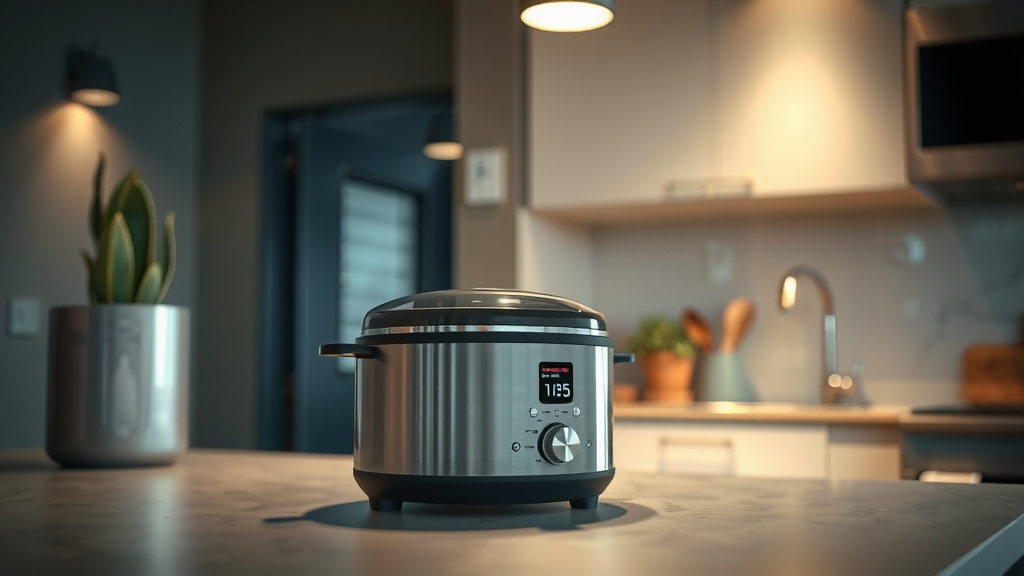
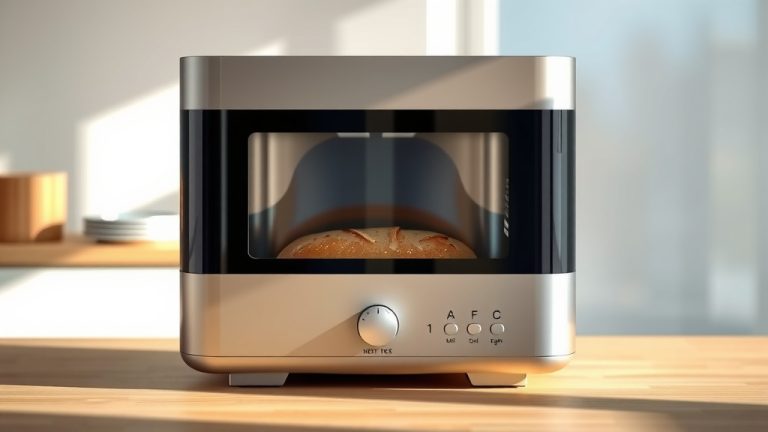
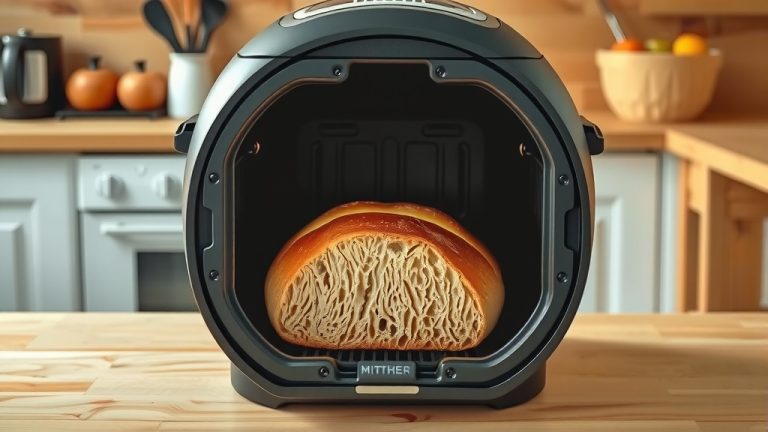
Leaving a bread maker on overnight is generally safe when you use its built-in delay timer feature, as these appliances come with safety mechanisms.
However, it’s always wise to follow your specific manufacturer’s instructions and adopt simple precautions for your bread maker’s safe operation.
- Modern bread makers are typically safe for overnight use thanks to delay timers.
- Always consult your appliance’s manual for personalized safety instructions.
- Position your bread maker on a stable, clear surface, far from any flammable items.
- Regular cleaning and upkeep minimize risks like unusual smells or potential fire hazards.
- For best peace of mind, consider using newer models equipped with enhanced safety features.
Is A Bread Maker Safe To Leave On Overnight?
Yes, many bread makers are designed with a delay timer function that makes them generally safe to operate overnight.
This feature allows you to wake up to freshly baked bread without direct supervision during the entire baking process.
Picture this: you wake up to the comforting aroma of warm, freshly baked bread filling your kitchen. What a start to the day, right?
Achieving this dream often involves letting your bread maker do its work while you sleep. But the question is, is it truly safe?
We understand your concern, and it’s a smart one to ask. Most modern bread makers are built with your convenience and safety in mind.
Understanding Your Bread Maker’s Delay Timer
The delay timer is the secret behind that morning magic. You load all your ingredients into the pan, set the timer, and go to bed.
The machine then patiently waits, sometimes for hours, before starting the kneading, rising, and baking cycles.
It’s an incredible feature that syncs with your schedule, letting you enjoy fresh bread at your ideal time.
How the Delay Timer Works
Think of the delay timer as a smart alarm clock for your bread. You tell it when to finish, and it calculates when to begin each step.
For example, if you want bread by 7 AM and baking takes 3 hours, the machine will start around 4 AM.
This means your bread maker will only be active during those few hours before your set finish time.
Built-in Safety Features of Modern Machines
Manufacturers know you might leave these appliances unattended for a few hours. That’s why safety is a top priority in their design.
Modern bread makers typically include safeguards like automatic shut-off functions and thermal cut-offs to prevent overheating.
These features act as silent guardians, ensuring the machine doesn’t run excessively hot or continue operating if something goes wrong (UL Standards).
Many experts say that if your bread maker is a newer model and in good condition, the risk of issues is very low when using the delay timer.
Minimizing Potential Risks: Your Role
Even with advanced safety features, your participation is key. Just like any appliance, a little care goes a long way.
Imagine plugging in a toaster near a stack of paper towels—not a great idea, right? The same caution applies to your bread maker.
By taking a few straightforward steps, you can significantly enhance safety and your peace of mind.
Choosing the Right Spot for Your Bread Maker
Where you place your bread maker matters. We found that it’s best to position it on a stable, flat, heat-resistant surface.
Keep it away from walls, cabinets, or anything that could block its vents. Good air circulation is vital for preventing heat buildup.
Also, ensure there’s enough space around it. You don’t want curtains, dish towels, or other flammable items too close (fire safety guidelines).
The Importance of Cleanliness
Food debris can accumulate inside the machine over time. Bits of flour or dough can sometimes burn, leading to smoke or unpleasant odors.
Regular cleaning, as recommended by the manufacturer, keeps your appliance running smoothly and safely.
Think of it as routine maintenance for your car; a little upkeep prevents bigger problems down the road.
When Not to Leave Your Bread Maker On Overnight
There are certain situations when it’s best to avoid overnight baking. If your bread maker is an older model, consider supervising it.
If you notice any unusual smells, strange noises, or erratic behavior, it’s a clear signal to keep an eye on it or get it checked.
Also, if your home experiences frequent power surges or outages, that might not be the ideal night for unattended operation.
Benefits of Overnight Baking: Wake Up to Warm Bread
The biggest perk is undeniable convenience. Imagine skipping the morning rush and still having warm, homemade bread.
It’s a fantastic way to enjoy healthy, preservative-free bread without impacting your busy daytime schedule.
Plus, the smell alone is a fantastic mood booster, a wonderful way to begin your day.
What to Look for in a Safe Bread Maker Model
When buying a bread maker, look for certain features. We often see models with reliable safety certifications from reputable organizations.
Consider appliances with a sturdy build and clear, easy-to-understand controls. A good warranty also suggests confidence from the manufacturer.
Reading user reviews can also give you practical insights into a model’s long-term reliability and safety performance.
Regular Checks for Your Peace of Mind
Before you hit the hay, a quick check can make all the difference. It only takes a minute but offers tremendous assurance.
This simple routine ensures that everything is in its proper place and ready for a safe night of baking.
Think of it as your nightly bread maker safety patrol.
| Action | Why It Matters for Overnight Safety |
|---|---|
| Check Power Cord | Prevents electrical hazards and ensures stable power. |
| Clear Surrounding Area | Reduces fire risk by keeping flammables away. |
| Ensure Ventilation | Prevents overheating, helping the machine function correctly. |
| Use Delay Timer Correctly | Allows safe, unattended operation as designed by the manufacturer. |
A Quick Safety Checklist Before Bed
- Read your manual carefully for specific safety advice.
- Ensure the bread maker is on a stable, heat-resistant surface.
- Keep the area clear of dish towels, curtains, or paper.
- Check that the power cord is undamaged and securely plugged in.
- Make sure there’s good airflow around the machine.
- Never leave an older or malfunctioning unit unattended.
Conclusion
Leaving your bread maker on overnight using its delay timer is generally a safe and delightful way to enjoy fresh bread. Modern appliances are built with safety features to give you confidence.
By following your user manual, keeping your machine clean, and ensuring proper placement, you can enjoy the fantastic convenience of waking up to the smell of homemade bread without worry.
Embrace the joy of freshly baked goods, knowing you’ve taken the right steps for a safe and delicious experience.
How much electricity does a bread maker use overnight?
A bread maker uses minimal electricity during its “delay” period. Most of the power is consumed during the kneading and baking phases, which typically occur only a few hours before your set finish time. Overall, its overnight power usage is comparable to many other kitchen appliances on standby.
Can I use any recipe with the delay timer?
While most standard bread recipes work well with a delay timer, avoid recipes that use highly perishable ingredients like fresh milk, eggs, or cheese if the delay is longer than 4-5 hours. These ingredients can spoil at room temperature. Stick to water, dried milk, and shelf-stable ingredients for longer delays.
What if my bread maker makes strange noises?
If your bread maker starts making unusual grinding, squealing, or knocking noises, it’s best not to leave it on overnight. These sounds often indicate a mechanical issue, such as a problem with the motor or mixing paddle. It’s wiser to have it inspected or replaced to ensure safety.
Is it okay to use an extension cord with my bread maker?
It’s generally not recommended to use an extension cord with high-wattage appliances like bread makers. An improper extension cord can overheat, posing a fire risk. We found that most manufacturers advise plugging the bread maker directly into a wall outlet.
How often should I clean my bread maker?
You should clean your bread maker after every use, especially the baking pan and mixing paddle. A more thorough cleaning of the interior and exterior housing, removing any crumbs or spills, is recommended periodically, perhaps monthly, depending on how often you bake. This upkeep helps maintain performance and safety.