Bread Machine Baguette Recipe: Oven Finish
A bread machine baguette recipe works best on the dough cycle, followed by hand shaping, a second proof, scoring, and baking in a hot oven. The machine handles mixing and the first rise, while the oven creates the crust.
On this page (9 sections)
- What ingredients does a bread machine baguette recipe need?
- How does a bread machine rise dough?
- How do you shape bread machine dough into baguettes?
- How should you proof the shaped baguettes?
- How do you score baguette dough before baking?
- What oven temperature bakes baguettes best?
- How do you get a crisp baguette crust at home?
- What if the dough is too wet or too stiff?
- What is the simplest bread machine baguette method?
A bread machine baguette recipe uses the machine for mixing and the first rise, then moves to hand shaping and oven baking. The oven gives the dough its long form, browned crust, and lighter interior.
Use the dough cycle rather than the bread cycle. Once the machine finishes, shape the dough into slim loaves, let them rise again, score the tops, and bake until deeply golden.
What ingredients does a bread machine baguette recipe need?
A basic baguette dough needs flour, water, yeast, and salt. A small amount of oil or sugar may be included in some recipes, but a lean dough keeps the flavor and texture closer to a classic baguette.
Measure the ingredients in the order recommended by your bread machine manual. Keep salt away from the yeast at the start if your machine's instructions call for separate placement.
For a dough-cycle recipe, use:
- 3 cups bread flour
- 1 1/4 cups water
- 2 teaspoons active dry yeast
- 1 1/2 teaspoons salt
Flour absorbs water differently by brand and storage conditions. Hold back 1 tablespoon of the water, then add it only if the dough looks dry after several minutes of mixing.
Which flour suits a bread machine baguette recipe?
A high-gluten flour with fine texture can give baguette dough enough strength to stretch and hold its shape. The flour still needs enough water to form a soft, workable dough.
Antimo Caputo Chef's Flour is a Tipo 00 flour with a 2.2-pound net weight. Its description identifies it as a general-purpose, high-gluten flour for pizza crust, pasta, bread, and pastries.
Use the same flour consistently while learning the recipe. If the dough spreads after shaping, reduce the water slightly next time or give it more kneading and proofing structure.
How does a bread machine rise dough?
A bread machine kneads the ingredients and controls the first rise during its dough cycle. It usually warms the dough area, but the exact timing varies by machine and program.
Check the dough near the end of the cycle. It should look expanded and feel soft, with enough elasticity to stretch without tearing immediately.
For more detail on this stage, see How Does A Bread Machine Rise Dough?. If the dough has barely grown, continue the rise in a warm place before shaping rather than rushing to the next step.
How long does bread machine dough need to rise?
The dough may need about 60–90 minutes for the first rise, depending on the machine cycle and room temperature. The shaped baguettes usually need another 30–60 minutes before baking.
Use appearance as the main guide. Dough that has expanded and feels airy is ready for shaping, while dough that remains tight may need more time.
This guide to How Long Does Bread Machine Dough Need to Rise? explains how to judge the dough without treating the timer as the only answer.
How do you shape bread machine dough into baguettes?
Shape the dough by dividing it into 2 or 3 pieces, flattening each gently, folding it into a cylinder, and rolling it into a long narrow loaf. Keep the surface tension even without squeezing out every air pocket.
- Turn the dough onto a lightly floured surface.
- Divide it into 2 or 3 equal pieces.
- Pat one piece into a rough rectangle.
- Fold the long edges toward the center and seal the seam.
- Roll the dough gently until it reaches the length of your baking tray.
- Place it seam-side down on parchment or a floured couche.
Keep the ends slightly tapered if you want a traditional baguette shape. Leave space between the loaves because they will expand during the second rise.
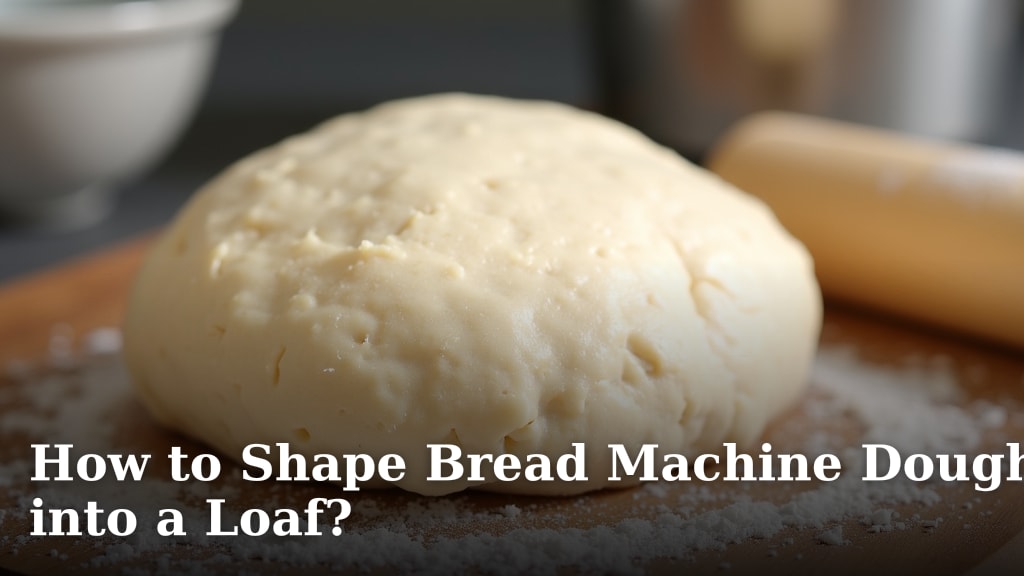
Our guide on How to Shape Bread Machine Dough into a Loaf? covers the folding motion in more detail. The same gentle handling helps baguette dough keep its internal air.
How should you proof the shaped baguettes?
Proof the shaped loaves until they look puffy but still hold their form. Cover them with a clean towel or lightly oiled wrap so the surface doesn't dry.
Press one loaf lightly with a fingertip. If the dough springs back immediately, it needs more time.
If the mark fills slowly and the loaf feels airy, it is close to ready.
Avoid letting the dough rise until it collapses or spreads widely. Over-proofed baguettes may have less oven rise and can be difficult to score cleanly.
Can sourdough help with baguette dough?
Sourdough can add a different flavor and fermentation method, but it changes the recipe and timing. A standard bread machine dough cycle is simpler when you want a predictable yeast-based baguette.
Hannah Dela Cruz's Sourdough Every Day is a 176-page English guide with 55 recipes using active and discard starter. It covers sourdough breads, rolls, flatbreads, pasta, sweets, and starter care.
Use this book as a source of ideas for starter-based dough, not as a reason to add starter to the yeast formula without changing the water, flour, and rise times.
How do you score baguette dough before baking?
Score each baguette with 3 or 4 quick, angled cuts just before it goes into the oven. Hold the blade at a shallow angle and make overlapping cuts along the top.
Score with confidence rather than sawing back and forth. Deep, ragged cuts can deflate the dough, while shallow marks may close during baking.
Dust the tops lightly with flour if you want the cuts to stand out. Keep the dough covered until the oven and baking surface are ready.
What oven temperature bakes baguettes best?
Bake baguettes in a fully heated oven at about 450°F, using a hot baking sheet, stone, or steel if you have one. A hot surface helps the dough start baking quickly and supports a firm bottom crust.
Place a small heatproof pan in the oven while it preheats if you plan to create steam. Pouring hot water into that pan after loading the dough can delay crust setting, but use care around steam and hot metal.
For a broader oven method, read How to Bake Bread Machine Dough in the Oven?. Baking time often falls near 20–30 minutes, but loaf size and oven behavior change the result.
The baguettes are ready when the crust is deeply golden and the loaves feel light for their size. Cool them on a rack before slicing so the crumb can finish setting.
Which yeast works for this recipe?
Active dry yeast suits a recipe that calls for active dry yeast, provided it is stored well and still rises strongly. Keep the yeast dry until it enters the machine pan and follow the package directions for your formula.
Red Star Active Dry Yeast comes as a 16-ounce bag of powdered active dry yeast. It is unflavored, Kosher Certified, and identified for general baking.
Store yeast according to its package guidance after opening. If a small test mixture with warm water and a little flour shows no activity, replace the yeast before making another batch.
How do you get a crisp baguette crust at home?
Create a crisp crust with high heat, a fully preheated oven, shaped dough that isn't over-proofed, and careful steam at the start. Let the loaves cool uncovered so trapped moisture doesn't soften the crust.
Don't brush the dough with oil before baking if you want a dry, crackly surface. Oil can encourage browning but may make the crust softer.
A bread machine can handle the early dough work, but it cannot replace the shaping and oven stages. A related bread machine ciabatta recipe uses the same basic handoff while keeping the dough wetter and the shape more open.
What if the dough is too wet or too stiff?
If the dough is too wet, add flour 1 teaspoon at a time during the first mixing stage. If it is too stiff, add water in small amounts until the dough becomes soft and elastic.
Don't add large amounts of flour after the first rise. That can make the baguettes heavy and disturb the structure the yeast created.
High-hydration dough can produce a more open crumb, but it is harder to shape. Read How To Make High-Hydration Dough In A Bread Maker? before increasing the water in this recipe.
What is the simplest bread machine baguette method?
For a reliable bread machine baguette recipe, use the dough cycle, shape the risen dough gently, proof the loaves until puffy, score them, and bake them in a fully heated oven.
Choose Tipo 00 flour if you want a finely ground flour that also works for pizza, pasta, bread, and pastries. Choose active dry yeast when your formula calls for it, and use the sourdough guide if you want to move beyond a standard yeast dough.
The key decision is where you want the machine to stop. Let it mix and rise the dough, then take over for shaping, proofing, scoring, and oven finishing.
Frequently asked questions
Can you make baguettes with a bread machine?
Yes. Use the machine's dough cycle for mixing and the first rise, then remove the dough, shape it into narrow loaves, proof it again, score the tops, and bake in a hot oven.
A bread machine does not create the long shape or crisp oven crust by itself.
How long should baguette dough rise after the bread machine?
Let shaped baguette dough rise until it looks puffy and springs back slowly when pressed lightly. The timing depends on room temperature, yeast activity, and dough strength, so watch the dough instead of relying only on the clock.
Why is my bread machine baguette dense?
Dense baguettes often come from weak yeast, too much flour, under-proofing, or rough handling after the first rise. Weigh the flour when possible, use active yeast, give the shaped loaves enough time to expand, and avoid pressing all the gas from the dough.