Bread Machine Ciabatta Recipe
A bread machine ciabatta recipe works best with wet dough, gentle handling, and oven baking after the dough cycle. Let the dough rise fully before shaping it into rustic loaves.
On this page (11 sections)
- What makes a bread machine ciabatta recipe different?
- What ingredients do you need?
- How do you mix ciabatta dough in a bread machine?
- When should you remove the dough?
- How do you shape ciabatta without losing air?
- How long should the shaped ciabatta rise?
- How do you bake bread machine ciabatta in the oven?
- Can sourdough replace commercial yeast?
- Why did the ciabatta spread too much?
- How do bread machine baguettes compare with ciabatta?
- What is the best way to make this bread?
A bread machine ciabatta recipe works best when the machine handles mixing and kneading, while you handle the final rise, gentle shaping, and oven bake. The dough should stay wet and airy, so avoid adding enough flour to make it feel like a firm sandwich loaf.
Ciabatta is an oven-baked bread, not a loaf to finish in the bread machine pan. Use the dough cycle, then transfer the dough to a floured or oiled surface for the last proof.
What makes a bread machine ciabatta recipe different?
A bread machine ciabatta recipe uses high-hydration dough and gentle handling to create an open crumb. The dough will be softer and stickier than dough for ordinary white bread.
Bread machines are useful for the first stage because the paddle can combine the flour, water, yeast, and salt without requiring constant hand mixing. For another bread machine dough recipe, see bread machine pie crust.
Once the cycle ends, the dough needs space to spread and rise outside the machine.
For a closer look at the wet dough stage, read How To Make High-Hydration Dough In A Bread Maker?. It explains why extra water changes the way you mix, shape, and proof the dough.
What ingredients do you need?
You need bread flour or another strong flour, water, active dry yeast, salt, and a small amount of oil for handling the dough. Use the ingredient amounts from your chosen recipe because hydration controls the final texture.
A flour with elastic gluten can help the dough hold gas during fermentation. Antimo Caputo Chef's Flour is a general-purpose, high-gluten flour for pizza dough, bread, pasta, and pastries.
Its 00 grade refers to a finely refined Italian flour. If you use it for ciabatta, keep the water amount tied to your recipe rather than changing the hydration by guesswork.
Yeast choice also affects the process. Red Star Active Dry Yeast comes as a powder in a 16 oz package, with active dry yeast intended for recipes that call for that type.
Store yeast as directed on its packaging and measure it carefully. Too little yeast may slow the rise, while too much can make timing harder to control.
How do you mix ciabatta dough in a bread machine?
Add the ingredients in the order recommended by your bread machine, then select the dough cycle. The machine should mix and knead the dough without baking it.
Keep the lid closed during the first part of the cycle so the machine can build the dough's structure. Resist the urge to add flour just because the dough looks sticky.
Ciabatta dough is meant to remain loose.
If the dough gathers into a smooth, soft mass that still clings to the pan, that can be a useful sign. If dry flour remains in the corners, pause only as your machine's instructions allow and help the mixture combine with a scraper.
The bread machine rises dough through controlled warmth and time. How Does A Bread Machine Rise Dough? explains the machine's role before you take over for the oven finish.
When should you remove the dough?
Remove the dough when the dough cycle ends and before any bake cycle begins. The dough should look expanded and soft, but the exact rise depends on room temperature, yeast, and the machine's program.
Oil your hands or a bench scraper before lifting the dough from the pan. Avoid pulling hard because stretching the dough aggressively can tear the developing structure.
Move it onto a well-floured surface or lightly oiled parchment. Use a scraper to release dough from the pan rather than adding handfuls of flour.
For timing help, see How Long Does Bread Machine Dough Need to Rise?. Use the dough's appearance as the final guide instead of relying only on the clock.
How do you shape ciabatta without losing air?
Divide the dough gently and make simple rectangular pieces without pressing out the bubbles. Ciabatta does not need a tight roll or a smooth, sealed surface.
Turn the dough onto the work surface and dust the top lightly with flour. Cut it into 2 or 3 portions, depending on the loaf size you want.
Use a bench scraper to lift each portion onto parchment or a floured cloth. Let the dough keep its uneven edges and visible air pockets.
Avoid kneading, punching down, or stretching it into a thin sheet.
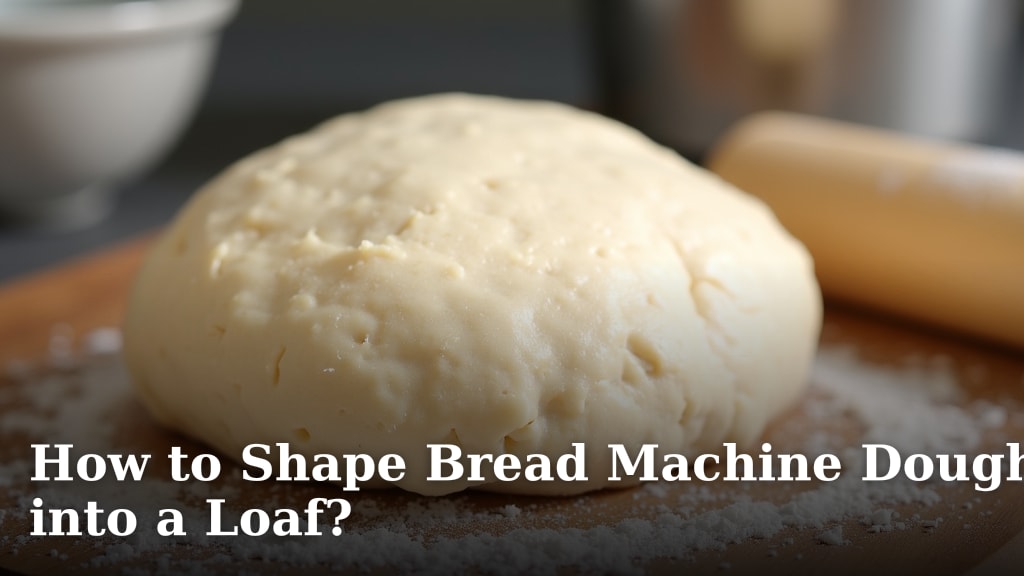
If you want a more detailed shaping sequence, read How to Shape Bread Machine Dough into a Loaf?. Ciabatta needs an even lighter touch than a tight sandwich loaf.
How long should the shaped ciabatta rise?
Let the shaped dough rise until it looks puffy and has expanded, often for about 1–2 hours depending on the room and the yeast. The surface should feel delicate rather than dense.
Cover the pieces loosely so the surface does not dry out. Leave enough space between them for spreading during the final proof.
Do not wait for a perfect doubling if the dough already looks aerated and fragile. Overproofed dough may spread widely or lose strength when moved.
Use a gentle fingertip check only if the dough can handle it. A small indentation that slowly begins to recover usually suggests the dough has developed, but the visual rise remains more useful for very wet dough.
How do you bake bread machine ciabatta in the oven?
Preheat the oven fully before moving the dough, then bake the proofed pieces on a hot surface if your equipment and recipe allow it. The goal is to set the dough quickly while keeping its airy shape.
A baking stone, steel, or heavy tray can provide a firm surface, but follow the instructions for the equipment you own. Transfer the dough with parchment or a floured peel so you do not squeeze it while moving it.
Steam can help the crust stay flexible during the first part of baking. Use only a steam method that is safe for your oven and cookware.
For the full oven transition from machine dough, read How to Bake Bread Machine Dough in the Oven?. The same basic principle applies here: the machine develops the dough, and the oven creates the finished crust.
Bake until the loaves are deeply colored and feel set. Let them cool before slicing because the crumb continues to firm as the bread loses heat.
Can sourdough replace commercial yeast?
Sourdough can replace commercial yeast in some recipes, but it requires a different fermentation plan. Starter adds flour and water, so you must account for those amounts when adjusting the recipe.
Hannah Dela Cruz's Sourdough Every Day is a 176-page English book with recipes for active starter and discard, including rustic loaves, rolls, flatbreads, pasta, sweets, and other baking projects.
Use a sourdough formula that gives clear starter amounts and rising instructions. Do not simply add starter to a yeast recipe without reducing the flour and water or changing the fermentation time.
Commercial yeast is easier when you want a predictable bread machine dough cycle. Sourdough suits you if you already maintain an active starter and are willing to follow a longer, less fixed schedule.
Why did the ciabatta spread too much?
Ciabatta may spread too much when the dough is overhydrated for the flour, overproofed, handled roughly, or left without enough support during the final rise. A very soft dough can also spread when the oven is not fully hot.
Start by checking whether you added the recipe's water accurately. Next, shorten the final proof slightly or use parchment and a firm tray to make the transfer easier.
Avoid correcting every sticky dough with extra flour. Too much added flour can produce a tighter loaf and reduce the open texture that makes ciabatta different.
If the dough feels impossible to handle, the next batch can use a slightly lower hydration while you learn how the flour behaves. Make one change at a time so you can tell what improved the loaf.
How do bread machine baguettes compare with ciabatta?
Baguettes need more deliberate lengthwise shaping, while ciabatta uses gentle division and a flatter rustic form. Both can use the bread machine for mixing and kneading before baking in the oven.
Read bread machine baguette recipe if you want to compare the shaping and baking approach. The same dough cycle can support both styles, but the final handling changes the crust and crumb.
Choose ciabatta when you want a wide, irregular loaf with large holes. Choose baguettes when you want narrow loaves with a longer shape and more defined scoring.
What is the best way to make this bread?
The best bread machine ciabatta recipe is the one that keeps the dough wet, gives it enough time to rise, and moves it gently into a hot oven. Use the machine for development, not for the final bake.
Choose Antimo Caputo Chef's Flour if you want a finely ground flour that also works for bread, pizza dough, pasta, and pastries. Choose Red Star Active Dry Yeast when your formula calls for active dry yeast, or choose Hannah Dela Cruz's sourdough guide if you want to build your process around active starter and discard.
Measure water carefully, avoid heavy kneading after the dough cycle, and cool the loaves before slicing. Those choices matter more than forcing the dough into a neat shape.
Frequently asked questions
Can you make ciabatta dough in a bread machine?
Yes. Use the dough cycle to mix and knead the ingredients, then remove the wet dough for its final rise and oven baking.
Ciabatta needs gentle shaping because its loose structure and air pockets can collapse if you press or knead it too much.
Why is ciabatta dough so wet?
Ciabatta dough uses more water than many sandwich loaves, which helps create a light crumb with open holes. The dough may feel sticky after the bread machine cycle, so use oiled or lightly floured hands and a bench scraper instead of adding large amounts of flour.
How long should bread machine ciabatta dough rise?
Allow the dough to rise until it looks noticeably puffy and expanded, often about 1–2 hours depending on room temperature and yeast activity. A fixed time matters less than the dough's volume and feel, so watch it closely during the final proof.
What temperature should you bake ciabatta?
Bake ciabatta in a fully preheated hot oven, following your recipe's temperature and timing. A hot baking surface helps the dough set before it spreads too far, while steam during the early bake can support a thinner, crisper crust.