How to Make Pizza Dough in a Breville Bread Maker
For a Breville bread maker pizza dough recipe, add the ingredients in the order your manual recommends, then run the Dough cycle. Shape the finished dough into bases and bake them in a fully heated oven.
On this page (9 sections)
- How do you make pizza dough in a Breville bread maker?
- Which Breville setting should you use for pizza dough?
- How can you tell whether the dough is ready?
- How do you shape and bake the bases?
- Does flour choice change the dough?
- Can sourdough starter go in a bread maker pizza dough recipe?
- What should you do if the dough is too sticky or too stiff?
- How does a Breville recipe compare with other bread makers?
- Which steps matter most for Breville bread maker pizza dough?
A Breville bread maker pizza dough recipe uses the machine’s Dough cycle to mix and knead the dough, then you shape and bake the bases in an oven. Follow your model’s manual for ingredient order, cycle selection, and batch limits because settings and pan capacity can vary.
How do you make pizza dough in a Breville bread maker?
Use a basic dough formula, add ingredients in the order your Breville manual gives, and select the Dough cycle. The machine mixes and kneads the dough; you remove it before baking, divide it, shape the bases, and bake them in a hot oven.
For a starting batch, measure:
- 1 cup warm water
- 2 tablespoons olive oil
- 3 cups bread flour
- 1 teaspoon salt
- 1 teaspoon sugar
- 2 teaspoons bread machine yeast
Check the manual before using these amounts. If your model’s instructions specify a different minimum or maximum batch size, use the manual’s quantities and adjust the formula proportionally.
Add the ingredients in the order your manual specifies. Many bread makers call for liquids first and yeast last, but the order can differ by model.
Select the Dough cycle and let it finish. When the cycle ends, remove the dough onto a lightly floured surface, divide it into 2 portions, and let them rest under a clean towel for about 10 minutes before stretching.
Which Breville setting should you use for pizza dough?
Choose the Dough cycle, which mixes and kneads without baking a loaf. A pizza dough setting may use a similar process, but menu names vary; check your model’s manual to identify the right program and cycle duration.
Avoid selecting a bread or bake cycle that continues into baking. Pizza bases need shaping and oven baking after the machine has kneaded the dough.
If you’re new to bread machine dough cycles, see how to use the pizza dough setting on a bread maker. For broader instructions on mixing, resting, and shaping, read how to make pizza dough in a bread maker.
How can you tell whether the dough is ready?
The dough should form a soft, cohesive ball during kneading, rather than staying as a loose batter or leaving a dry layer of flour. Check through the lid if your machine allows it, and make small adjustments only if the dough looks clearly too wet or too dry.
If it looks crumbly, add water a teaspoon at a time while the machine kneads. If it spreads into a puddle, add flour a tablespoon at a time.
Wait briefly between adjustments so the dough can absorb the added ingredient. Too much extra flour can make the crust dense, while too much water can make shaping difficult.
At the end of the cycle, the dough should feel stretchy and hold together when lifted. For a different bread-machine dough style, try ciabatta made with bread machine dough.
If it tears easily, let it rest for 10 minutes before shaping.
How do you shape and bake the bases?
Let the dough rest briefly, then stretch each portion from the center outward, leaving a slightly thicker rim if you like. For a thinner base, see this bread maker thin crust pizza dough guide.
Add toppings sparingly so the middle can bake through.
Heat your oven fully before baking. Use a preheated pizza stone or baking sheet if you have one, and follow its care instructions for preheating and handling.
Breville oven models and household ovens have different settings, so use your oven’s guidance for temperature and timing. Watch the first base closely and adjust the next one based on how quickly the crust browns.
If the dough springs back while you shape it, pause for 5 to 10 minutes and try again. Resting relaxes the dough and can make it easier to stretch without tearing.
Does flour choice change the dough?
Yes. Flour type affects how much water the dough absorbs and how easy it is to stretch, so keep the recipe consistent when you’re learning your machine’s cycle.
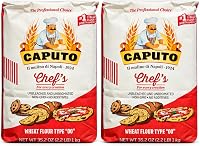
Antimo Caputo Chef's Flour is a finely milled Tipo 00 flour with elastic gluten, and it is described for pizza, bread, pasta, and pastries.
The separate Antimo Caputo Chefs Flour 2.2 LB pack contains two 2.2 lb packs and is also described for pizza, bread, and pasta.
For a whole wheat variation, use a recipe written for whole wheat flour rather than swapping all the flour without changing the liquid. This whole wheat bread machine pizza dough recipe gives you a starting point for that style.
Can sourdough starter go in a bread maker pizza dough recipe?
Yes, you can use starter in pizza dough, but it changes the dough’s hydration and fermentation time. Use a recipe written for sourdough rather than adding starter to the basic formula without adjusting the flour, water, and yeast.
The KNEADACE Pro Sourdough Bread Starter Kit includes a 34 fl oz glass jar, cloth cover, silicone cover and base, spatula, thermometer, and marked elastic band. Those pieces are for maintaining starter, not for mixing dough in the bread maker.
If you are choosing what to use, compare sourdough discard and starter.
What should you do if the dough is too sticky or too stiff?
If the dough is sticky, give it a few minutes to knead before adding anything. If it still looks wet and won’t gather, add flour a tablespoon at a time.
If it is dry or crumbly, add water by the teaspoon and wait between additions. Bread flour brands and room conditions can affect absorption, so small changes are safer than adding a large amount at once.
Keep notes on any adjustment that works with your flour and machine. That gives you a more reliable starting point the next time you make the recipe.
How does a Breville recipe compare with other bread makers?
The basic approach is similar across machines: use the Dough cycle, remove the dough before baking, shape it, and finish it in an oven. For a long, shaped loaf, see bread machine baguette recipe.
The exact cycle name, ingredient order, and capacity still depend on the maker and model.
For brand-specific steps, compare the Hamilton Beach bread maker pizza dough recipe and the Cuisinart bread maker pizza dough recipe. If you’re choosing a machine for this task, our guide to the best bread maker for pizza dough explains what to consider.
Which steps matter most for Breville bread maker pizza dough?
For a reliable Breville bread maker pizza dough recipe, follow your manual’s ingredient order and batch limits, use the Dough cycle, and bake the shaped bases in a hot oven. If the dough is too wet or dry, make small changes during kneading and note what works with your flour.
Use the basic formula for a straightforward yeast dough, choose a dedicated whole wheat recipe for whole wheat flour, and follow a sourdough recipe when using starter. Your Breville manual is the guide for the machine’s settings and safe operation.