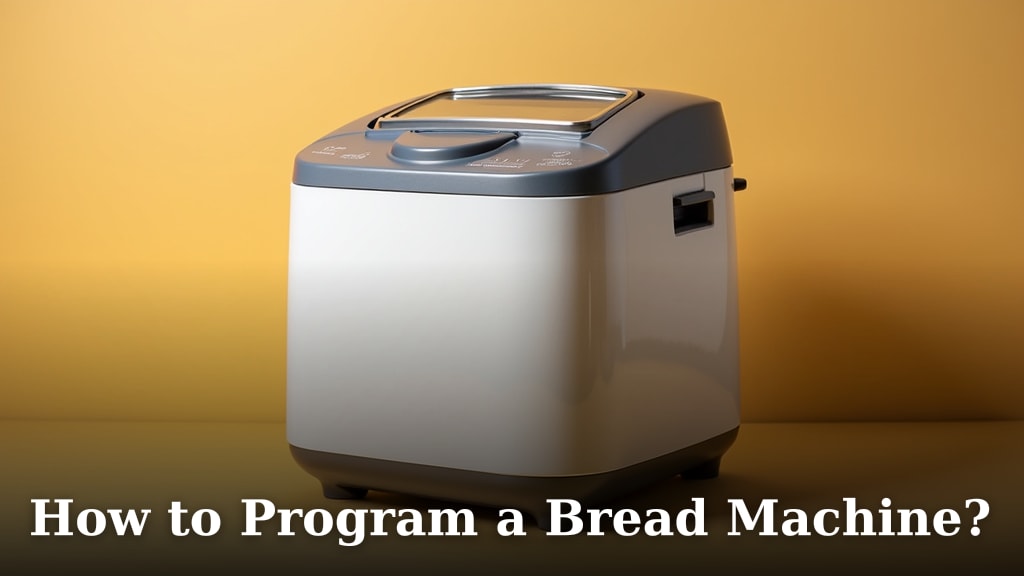
Do Bread Machine Programs Use Different Temperatures?
Some bread machine programs may use different heat patterns, but timing and kneading also affect the loaf. Exact temperatures vary by model, and many manuals don't publish them.
On this page (9 sections)
- Do bread machine programs have different temperatures?
- What else changes between bread machine programs?
- Does the crust color setting change temperature?
- Why does the same recipe turn out differently on another program?
- Can you measure the temperature inside a bread machine?
- What should you do if a loaf is underbaked or too dark?
- How should you choose a bread machine program?
- Do bread machine temperatures affect the paddle hole?
- How can you tell which program is right for your bread?
Some bread machine programs may use different heat patterns, but cycle timing and kneading also affect the loaf. For what to expect from bread machine heat in the kitchen, see our guide.
Exact temperatures vary by model, and many manuals don't publish them, so the program name alone won't tell you the precise heat.
A basic cycle, a dough cycle, and a gluten-free cycle can differ in more than temperature. They may change mixing, rest periods, rising time, and baking time, all of which shape the result.
Do bread machine programs have different temperatures?
They may use different heat patterns, but programs also vary in timing and stages. A machine might change the bake phase or how long it heats, while another model may rely on the same basic baking temperature and alter other parts of the cycle.
Bread machines manage several stages automatically. A machine mixes and kneads ingredients, lets dough rise, then bakes it, with the sequence depending on the selected program.
The display usually shows a cycle name or time rather than a temperature. Unless your manual gives temperature figures, treat the machine's settings as preset programs rather than precise oven controls.
For a plain-language guide to the cycles, read what each bread maker setting means. The names can hint at the loaf or dough type, but they don't guarantee a particular temperature.
What else changes between bread machine programs?
Programs often differ in kneading, rising, and baking time as well as heat. Those changes can matter as much as temperature because dough needs the right handling and time to develop.
A whole wheat cycle may allow more time for a denser dough, while a rapid cycle shortens the process. A dough cycle generally mixes and kneads without baking the loaf.
A gluten-free setting may use a different sequence because gluten-free dough behaves differently from wheat dough. Use a recipe suited to your machine, and follow its instructions for ingredient order and cycle selection.
If you're trying to adjust a cycle, how to program a bread machine explains which choices you can control and why a preset program may not allow exact temperature changes.
Do bread machine programs have different temperatures for dough?
A dough program stops before baking, so its main differences are mixing, kneading, and rising. It isn't a lower-temperature baking cycle.
When the dough cycle ends, you can shape the dough and bake it in an oven, following your recipe. If your machine doesn't offer a dough setting, how to make dough in a bread machine without a dough setting covers other options.
Does the crust color setting change temperature?
A crust shade setting changes the browning target, but the machine may adjust heat, bake time, or both. The exact method depends on the model.
Light, medium, and dark options are useful when you want a paler or more browned crust. They don't necessarily change the loaf's interior temperature in a way you can set or measure.
For a fair comparison, use the same recipe, loaf size, and crust shade each time. Change one setting at a time and note how the crust and crumb turn out.
Avoid trying to force a darker crust by interrupting a cycle or changing a temperature the machine doesn't let you set. Follow the manual's directions for adjusting the crust setting.
Why does the same recipe turn out differently on another program?
The same ingredients can produce a different loaf because programs change timing and dough handling. A shorter rise, extra kneading, or a different bake period can affect loaf height, crumb, and crust.
Measure ingredients carefully and use the loaf size recommended by the recipe. For tips on distributing seeds evenly, follow the recipe's add-in guidance.
Check that yeast is fresh and that the ingredients are suitable for the selected cycle.
If a loaf is pale, dense, or uneven, change one variable on the next bake. Start with the recommended program and crust shade, then review your ingredient measurements before assuming temperature is the cause.
For temperature guidance beyond preset machine cycles, see what temperature is best for bread making. Bread machine settings and oven temperatures aren't interchangeable.
Can a rapid program use a different temperature?
A rapid program usually shortens the total cycle, but its exact heat pattern depends on the machine. It may reduce rest or rise time, change baking time, or use other preset adjustments.
The Amazon Basics Programmable Bread Maker has an ExpressBake setting described as baking bread in less than 90 minutes. That cycle's duration doesn't reveal its exact temperature.
The bella 4 Slice Slim Toaster toasts finished slices; it doesn't bake bread machine dough or loaves. Use its 6 shade settings to adjust toast browning.
Can you measure the temperature inside a bread machine?
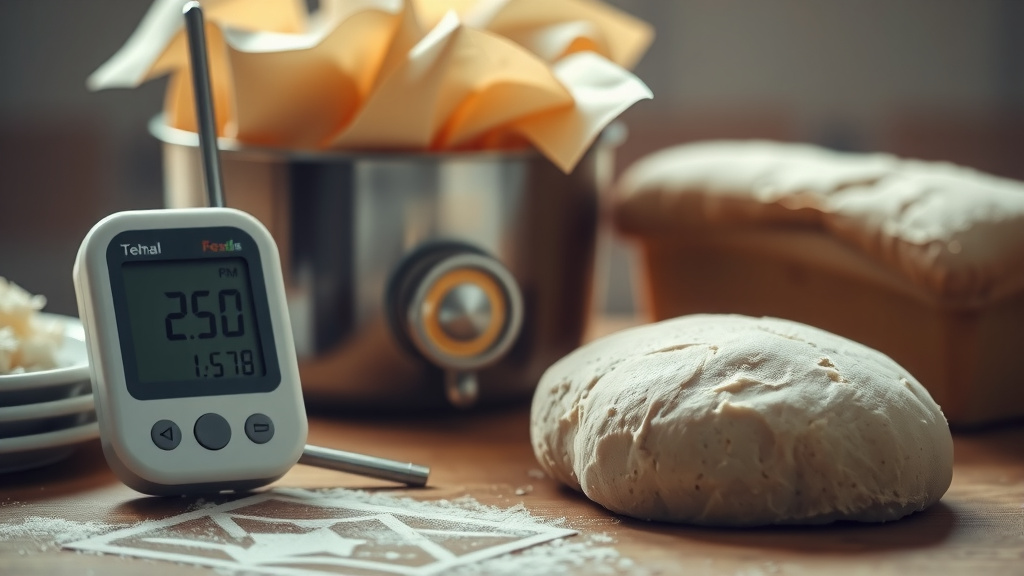
You can check a loaf after baking, but a reading won't tell you how the machine controlled heat throughout the cycle. Opening the lid during baking can disrupt the process, so don't do it just to take a measurement.
If you need to confirm whether the loaf is done, follow the recipe and machine manual. Use a food thermometer only when the recipe calls for one and you can check without disrupting the baking process.
Don't assume that one finished loaf proves a machine runs at a specific temperature. Ingredients, room conditions, loaf size, and cycle timing can all affect the result.
What should you do if a loaf is underbaked or too dark?
Start by checking the recipe, loaf size, cycle, and crust setting. A temperature problem is only one possible cause, and many machines don't let you set baking heat directly.
Use the program recommended for the recipe and avoid substituting a rapid or specialty cycle unless the recipe allows it. Confirm that the loaf size fits the machine's capacity.
If the crust is too dark, choose a lighter shade next time if your machine offers one. If the center seems underbaked, check the recipe quantities and the manual's guidance before changing the process.
How should you choose a bread machine program?
Choose the cycle that matches the dough or bread recipe, then use crust controls to adjust browning. Don't choose a setting based only on the assumption that it uses a specific temperature.
Use a basic cycle for recipes written for it, a dough cycle when you plan to shape and bake elsewhere, and a gluten-free cycle for a recipe designed for that program. Check your machine's manual because program names and operation differ.
A bread maker's presets automate parts of the process, but they don't make every recipe interchangeable. For an overview of what the appliance does, read what a bread machine is.
Do bread machine temperatures affect the paddle hole?
Temperature isn't usually the main reason a loaf has a paddle hole. The kneading blade may remain in the loaf during baking, leaving an opening when you remove it.
Some machines have a removable blade or a signal that lets you take it out before baking. Follow the manual's instructions, and handle the hot pan carefully.
For ways to reduce or manage the mark, see why bread machine bread has a hole from the paddle.
How can you tell which program is right for your bread?
For the question of whether bread machine programs have different temperatures, assume that each program is a preset combination of stages unless the manual gives exact heat details. Match the cycle to the recipe, then adjust only the settings the machine makes available.
Choose a basic or specialty cycle that fits the dough, and use the crust shade to change browning. If you need exact temperature control, compare the machine's manual and custom-program options before buying.
For model-specific steps, see how to program a Rival bread machine.
For a loaf-specific temperature discussion, continue with what temperature is best for bread making.
Frequently asked questions
Do bread machine programs use different temperatures?
Some cycles may use different heat patterns or baking times, but settings can also differ in kneading, rising, and total cycle length. Exact temperatures depend on the machine, and many manufacturers don't publish them.
Check your manual for cycle details and use the recommended program for your recipe.
Does the crust setting change the baking temperature?
A light, medium, or dark crust choice changes how browned the loaf becomes, but the control method varies by bread machine. It may adjust heat, bake time, or both.
Use the same loaf recipe and setting for a comparison, and consult your manual before changing cycle settings.
Why do gluten-free bread machine programs differ?
Gluten-free recipes often need a different mix and rise pattern because their dough lacks gluten's usual structure. A dedicated program may use a different sequence and bake time.
Follow a recipe written for your machine and avoid substituting a standard cycle unless its manual recommends that approach.
Can I change a bread machine program's temperature?
Usually, you can't set an exact temperature unless your machine has a custom program with that control. Many machines offer preset cycles and crust shades instead.
Check the manual for programmable options, then adjust only the choices the manufacturer allows.