How to Distribute Seeds in Bread Machine Bread
Add seeds when the machine signals for mix-ins, or near the end of the first knead if it has no signal. Add them gradually, and check that the dough is picking them up instead of leaving them in a clump.
On this page (8 sections)
- When should you add seeds to bread machine dough?
- How should you prepare seeds before mixing?
- What dough texture helps seeds spread evenly?
- Can a bread maker’s add-in signal help?
- Which bread maker features support seed mixing?
- How can you tell whether the seeds are evenly distributed?
- What should you do if seeds stay at the bottom?
- How do you get more even seeded distribution?
For even seeded distribution in bread machine bread, add seeds at the mix-in signal or near the end of the first knead if there’s no signal. Pour them in gradually and watch the dough for a minute to make sure they spread instead of forming a lump.
Seed size, dough texture, and cycle timing all affect distribution. Start with a recipe designed for seeds, follow the machine’s instructions, and avoid opening the lid during the rise.
When should you add seeds to bread machine dough?
Add seeds after the dough has started to form, when the machine signals for mix-ins. If your machine has no signal, add them near the end of the first knead, while the dough is still moving.
Adding seeds too early can expose them to a full kneading cycle, which may crush delicate seeds or leave them sitting at the bottom before the dough comes together. See Panasonic bread maker use.
Check your manual for the cycle’s timing and any specific guidance for add-ins.
For more about timing different ingredients, see when to add mix-ins to a bread maker. Machines with a fruit and nut cycle use a dedicated point in the program for adding extra ingredients, as explained in what the fruit and nut cycle does.
How do you add seeds without creating a clump?
Sprinkle seeds across the moving dough in a slow, steady stream. Don’t drop a large pile into one spot, since the dough may wrap around it before the seeds spread.
If the machine has stopped to signal, add the seeds promptly and close the lid. If you’re adding them during kneading, pour carefully without reaching near the moving paddle.
Give the dough a short time to mix, then look through the lid if it’s clear. If the seeds are still gathered in one spot, use the machine’s pause function only if the manual allows it, and gently redistribute them with a utensil that won’t scratch the pan.
How should you prepare seeds before mixing?
Use the seed form your recipe calls for, and keep added moisture in mind. Dry seeds are usually easiest to distribute because they don’t bring extra water into the dough.
Large or hard seeds can be difficult to chew whole and may be too coarse for some loaves. Chop them only when the recipe calls for it, and keep the pieces consistent so they mix evenly.
Some seeds absorb water as they sit. If a recipe calls for soaking, use its specified amount and timing rather than soaking seeds on your own, since extra moisture can make dough sticky and harder to knead.
What dough texture helps seeds spread evenly?
Aim for dough that forms a soft, cohesive ball and moves around the pan. Dough that is very wet may smear seeds into a dense patch, while dry, stiff dough may fail to pick them up.
Check the dough during the early knead, when it’s safe to make recipe adjustments. If it looks unusually wet or dry, follow the recipe’s troubleshooting guidance and make small changes only as directed.
Don’t add flour or water just because the seeds look uneven at first. Give the machine time to work them through the dough before deciding that the texture needs a correction.
Can a bread maker’s add-in signal help?
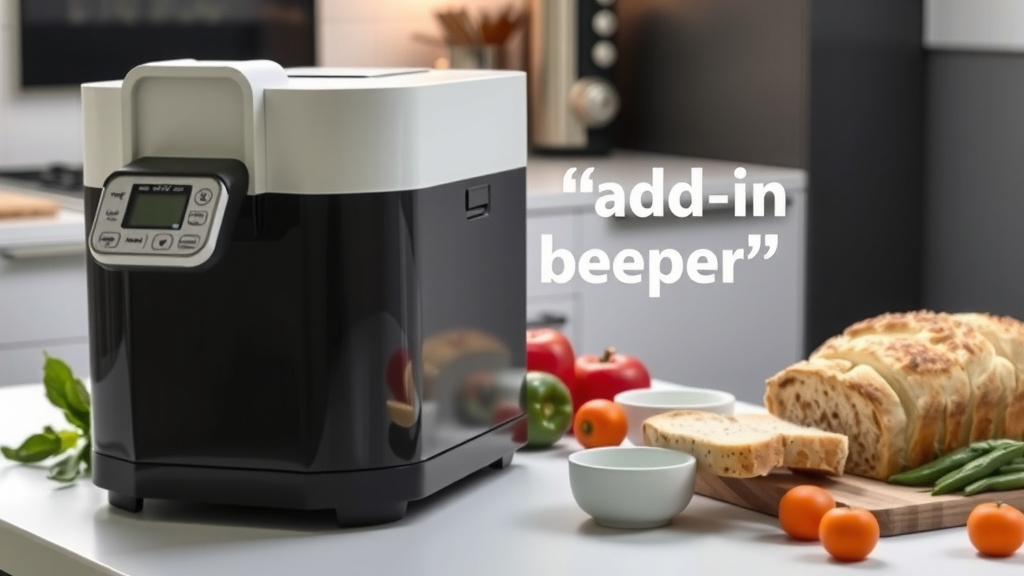
Yes, an add-in signal gives you a clear point to add seeds during the cycle. Use it as directed in your machine manual, then close the lid so the program can continue.
If you’re unsure how the alert works, follow how to use the add-in beeper on a bread maker. The beeper’s timing can vary, so the manual is the best guide for your machine.
Different ingredients may need different timing. Seeds can go in with a mix-in signal, while fresh vegetables bring moisture and may need recipe-specific adjustments; see when to add vegetables to bread machine dough.
Which bread maker features support seed mixing?
A bread maker with a dedicated add-in signal or a clear kneading cycle makes it easier to choose when seeds go in. The machine still needs a suitable recipe and dough texture for an even result.
The West Bend Hi-Rise has a horizontal pan and dual knead blades. Its 12 settings include Basic, Wheat, and Dough, giving you several cycle options to match the recipe.
A bread maker’s cycle matters more than adding seeds at random. See bread machine heat.
Check whether your chosen program includes an add-in signal, and use the recipe’s timing if it doesn’t.
After the loaf cools, the bella 4 Slice Slim Toaster’s 10-inch slots can fit thick slices of artisan bread. Its six shade settings let you choose how dark to toast a slice.
The Amazon Basics bread maker has 14 settings for breads, doughs, and gluten-free options. Match the cycle to the recipe, since the right program and add-in timing depend on the dough.
For basic orientation, what a bread machine does explains how the appliance mixes, kneads, rises, and bakes. A machine with a seed signal can guide timing, but even distribution still depends on how you add the seeds and the dough’s texture.
How can you tell whether the seeds are evenly distributed?
Look for seeds spread throughout the dough rather than gathered in one pocket. Check during kneading if you can see the dough through the lid, and avoid opening the machine during rising or baking.
A seed clump on the surface does not always mean the whole loaf will be uneven. The seeds may still move through the dough as kneading continues, so allow the cycle to finish before judging the crumb.
Once baked, let the loaf cool before slicing. If you see a dense seed pocket, adjust the next loaf by adding seeds more gradually or using a recipe with a better match for your machine.
For cleaner slices through a seeded loaf, see how to slice bread machine bread evenly.
What should you do if seeds stay at the bottom?
First check whether the seeds were added before the dough formed or in one large pile. On the next loaf, wait for the signal or the end of the first knead, then sprinkle them in gradually.
Also check the recipe’s seed quantity and dough consistency. A larger amount of seeds can be harder for a small dough batch to carry, while a recipe with too much moisture may leave them clumped together.
If the dough is already in the rise cycle, don’t restart kneading or stir it by hand. See resetting a Cuisinart bread maker.
Let the loaf bake, then adjust the timing or recipe on your next attempt.
How do you get more even seeded distribution?
For even seeded distribution in bread machine bread, add seeds at the machine’s signal or near the end of the first knead, and sprinkle them across the dough. Use a recipe that accounts for the seed type and any soaking.
Pick a machine with a cycle that fits your recipe, and use the manual to locate its add-in timing. Let the loaf cool fully before checking the crumb or slicing it.
If your main issue is when to add ingredients, start with when to add mix-ins to a bread maker. If the seeds collect into a pocket, change the timing or add them more gradually on the next loaf.
Frequently asked questions
When should you add seeds to bread machine dough?
Add seeds at the machine's mix-in signal if it has one. Without a signal, add them near the end of the first knead, when the dough has formed and is still being worked.
Check your manual because cycle timing varies by machine and recipe.
Why are seeds clumping in bread machine bread?
Seeds can clump if they're added all at once, if the dough is too wet to carry them, or if they enter before the dough has formed. Add them gradually at the recommended time and check the dough during mixing to see whether it needs a small adjustment.
Should seeds be soaked before adding them to a bread maker?
Small, dry seeds are often added directly, but large or very absorbent seeds may need preparation based on the recipe. Soaking changes how much water the dough needs, so use a recipe written for soaked seeds or account for the added moisture.
Can you add seeds before starting the bread machine?
You can add seeds at the start if your recipe and machine instructions call for it, but they may be crushed or unevenly mixed during kneading. For better control, use the add-in signal or add them near the end of the first knead.