Is It Worth Buying a Bread Machine for Sourdough?
On this page (3 sections)
Yes, buying a bread machine for sourdough can be worth it, especially if you prioritize convenience and consistency in your baking. It automates much of the labor, making sourdough baking more accessible for busy schedules.
You might wonder if a machine can truly replicate traditional sourdough. While it offers a different experience than hand-kneading and shaping, many machines do an excellent job with the mixing and proofing stages. We found that they can produce delicious loaves with good texture.
- Bread machines offer significant convenience for sourdough.
- They handle mixing and proofing, saving you time.
- Results can be quite good and consistent.
- Consider your baking goals and time commitment.
Are you ready to explore if a bread machine fits into your sourdough journey? Let’s walk through the pros and cons and help you decide if it’s the right choice for your kitchen.
Is a Sourdough Bread Machine a Good Investment?
Deciding if a bread machine is right for your sourdough journey comes down to your personal baking style and what you hope to achieve. It’s not just about cost, but about how it fits into your life.
We found that for many home bakers, the answer is a resounding yes, especially if you want consistent results without all the hands-on time.
The Allure of Automation: What a Bread Machine Does
Think of a bread machine as your personal baking assistant. It takes on the most labor-intensive parts of sourdough baking. You add the ingredients, push a button, and let it work its magic.
Mixing and Kneading
This is where the machine truly shines. Sourdough dough can be sticky and a bit messy to knead by hand. A bread machine uses its paddle to mix and knead the dough thoroughly. This develops the gluten structure needed for a good rise. We found this step alone saves a significant amount of effort.
Proofing and Fermentation
Temperature control is key for sourdough. Bread machines often have a controlled heating element. This creates a warm, stable environment for your dough to proof. This consistent warmth helps the yeast and bacteria in your sourdough starter thrive. It can lead to a more reliable rise, which is a big win for many bakers.
Baking (Optional)
Some bread machines can even bake the bread for you, completing the entire process from start to finish. This means you can literally set it and forget it. You get a fully baked loaf with minimal intervention. However, many sourdough enthusiasts prefer to bake their loaves in a traditional oven for a better crust. We’ll talk more about that soon.
The Upsides: Why You Might Love It
Using a bread machine for sourdough brings several clear advantages. These benefits often outweigh the initial cost for many busy individuals. Regular use may also make bread maker baking more economical.
- Time-Saving: This is perhaps the biggest draw. You don’t need to stand over your dough, kneading for 10-15 minutes. The machine handles it all.
- Consistency: Automated mixing and temperature control mean fewer variables. This can lead to more predictable and consistent loaves, even if you’re new to sourdough.
- Reduced Mess: All the sticky dough is contained within the machine’s pan. This means less flour on your counters and fewer bowls to wash.
- Beginner-Friendly: If you’re intimidated by the traditional sourdough process, a machine can be a great entry point. It simplifies complex steps.
- Nighttime Baking: Many machines have a delay timer. You can set it up at night and wake up to freshly baked sourdough in the morning. What a treat!
Potential Downsides: What to Consider
While bread machines offer convenience, they aren’t a perfect fit for everyone. It’s important to understand the trade-offs.
Crust and Shape Limitations
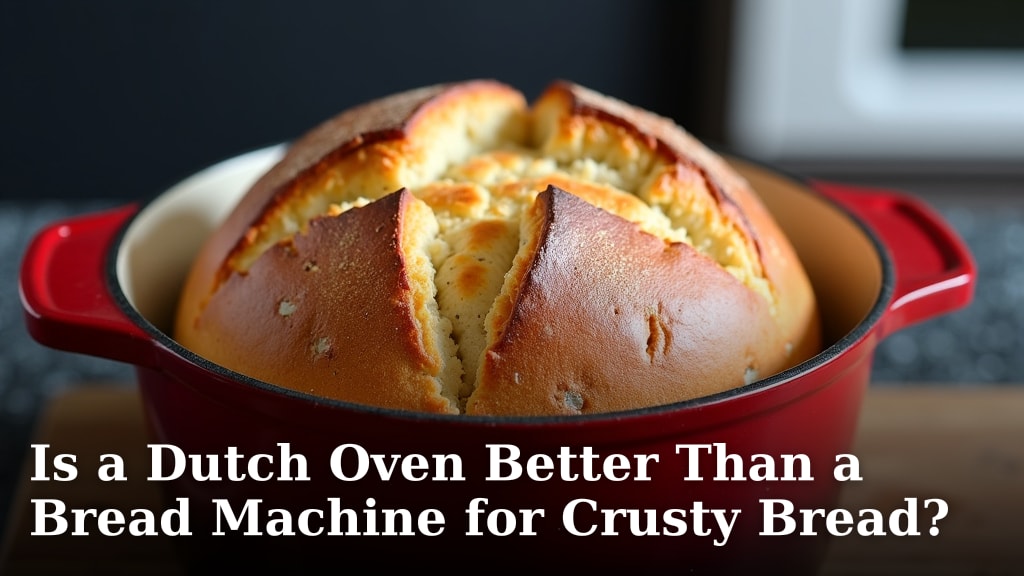
One common critique is the crust. Bread machine loaves often have a softer, less rustic crust compared to oven-baked sourdough. If you dream of a super-crispy, crackly crust, you might be disappointed. Also, the shape is typically a rectangular loaf. This limits your creativity if you love making boules or bâtards. We found that the distinct “bread machine” shape isn’t for everyone.
Less Hands-On Experience
Part of the joy of traditional sourdough is the tactile experience. Feeling the dough, understanding its elasticity, and shaping it by hand. A machine takes away much of this hands-on involvement. If you enjoy the art and craft of baking, you might miss this aspect.
Initial Cost and Counter Space
A good bread machine represents an investment. Prices vary, but a reliable model designed for dough cycles can be a few hundred dollars. Also, it takes up valuable counter space. Do you have room for another appliance? Our guide to the best bread machine for sourdough can help you find a model that fits your needs.
Sourdough in a Bread Machine: What’s Different?
Baking sourdough in a bread machine isn’t exactly the same as baking a traditional sandwich loaf. You need to make a few adjustments to get the best results.
| Feature | Traditional Sourdough Baking | Bread Machine Sourdough |
|---|---|---|
| Kneading | Manual, often involves folds and stretches. | Automated by machine’s paddle. |
| Proofing | Ambient room temperature, often with folds. | Temperature-controlled inside machine. |
| Shaping | Hands-on, various forms (boule, batard, etc.). | Limited to machine’s pan shape (rectangular). |
| Baking Environment | High heat, steam, Dutch oven for crust. | Internal heating element, typically softer crust. |
| Time Commitment | Significant hands-on time spread out. | Minimal hands-on time, more automation. |
You’ll still need an active sourdough starter. The recipe ratios might need slight tweaking for a bread machine. We found that some recipes designed for bread machines work best. They account for the machine’s specific kneading and heating cycles.
Making the Sourdough Decision: Your Personal Checklist
To help you decide if a bread machine is truly for you, consider these questions. Be honest with yourself about your baking goals and lifestyle.
Is a Bread Machine for Sourdough Right for You? Check all that apply:
- Do you prioritize convenience and ease over a traditional artisan crust?
- Are you short on time but still want fresh, homemade sourdough?
- Do you find hand-kneading messy or physically challenging?
- Are you a beginner to sourdough and want to simplify the process?
- Do you want consistent results without much guesswork?
- Do you have space in your kitchen for another appliance?
If you checked most of these boxes, a bread machine could be a fantastic addition to your kitchen. If you love the hands-on art of baking and want a super-crispy crust, you might prefer traditional methods. Or, you could use the bread machine for the dough cycle and then bake it in your oven. This gives you the best of both worlds!
Tips for Using a Bread Machine for Sourdough
If you decide to take the plunge, here are a few tips to help you succeed. We’ve gathered these from experienced bread machine users and our own testing.
Use a “Dough” Cycle
Many bread machines have a dedicated “dough” cycle. This cycle mixes, kneads, and proofs the dough without baking it. This is often the best option for sourdough. You can then shape and bake your sourdough in a regular oven for a better crust and shape. This method is often called “sourdough bread machine assisted baking.”
Adjust Water Content
Sourdough can be quite wet. Some bread machine recipes might need slightly less water than traditional ones. This helps the machine handle the dough better. Watch the dough during the first few minutes of mixing. It should form a smooth ball, not be too sticky or too stiff.
Active Starter is Key
Just like with traditional sourdough, an active, bubbly starter is crucial. Don’t use a sluggish starter. Feed your starter and let it get active before incorporating it into your recipe.
Don’t Expect a Perfect Artisan Loaf
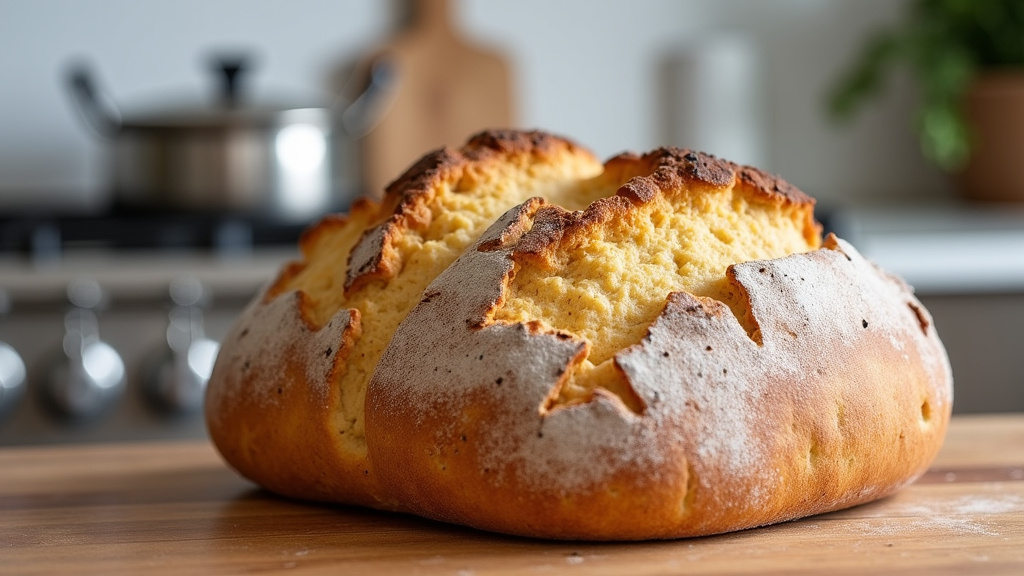
Manage your expectations. The bread will be delicious and homemade, but it won’t have the open crumb or super-crispy crust of a loaf baked in a Dutch oven. It will, however, be a perfectly good, wholesome, and tangy loaf of bread. Many experts agree that the convenience often outweighs this aesthetic difference (Cleveland Clinic).
Conclusion
Ultimately, the decision to buy a bread machine for sourdough comes down to your priorities. If you value convenience, consistency, and minimal mess, it can be a truly worthwhile investment for your kitchen. You’ll still get delicious, homemade sourdough with far less effort. We found that it streamlines the most labor-intensive steps, making sourdough baking accessible for even the busiest schedules.
Consider your lifestyle and baking goals. If a machine aligns with your needs, go for it! You might even find yourself using the dough cycle for other recipes too.
Frequently Asked Questions
Can I use any sourdough recipe in a bread machine?
While many sourdough recipes can be adapted, it’s best to look for recipes specifically designed for bread machines. These recipes often have slightly adjusted hydration levels to ensure the dough mixes and kneads properly in the machine.
Does a bread machine make a good sourdough crust?
Typically, a bread machine bakes a softer, less rustic crust compared to oven-baked sourdough. If a crispy, crackly crust is your goal, consider using the bread machine’s dough cycle and then baking the shaped dough in your conventional oven, perhaps in a Dutch oven.
How long does it take to make sourdough in a bread machine?
The time varies depending on the machine and cycle, but a typical “dough” cycle for sourdough can take anywhere from 2.5 to 4 hours. This includes mixing, kneading, and the first proofing stage. Baking adds more time if you use the machine’s bake cycle.
Do I still need an active sourdough starter for a bread machine?
Yes, absolutely. An active, bubbly sourdough starter is essential for any sourdough recipe, including those made in a bread machine. The machine handles the mixing and proofing environment, but the starter still provides the leavening and flavor.
Can I use my bread machine for other types of bread dough?
Yes! A bread machine is incredibly versatile. Beyond sourdough, you can use it to make dough for sandwich loaves, pizza, dinner rolls, and even sweet breads. This makes it a multi-purpose appliance for your kitchen.