Is a Bread Machine Worth It?
On this page (3 sections)
Yes, a bread machine is absolutely worth it for many home bakers, especially if you love fresh bread but lack the time or energy for traditional baking. We found that these machines offer unmatched convenience, simplifying the bread-making process significantly.
You can enjoy homemade bread with minimal effort, making it a great kitchen investment. A bread machine handles all the kneading and rising, leaving you with delicious results. It truly makes enjoying fresh loaves a breeze.
- Saves time and effort
- Great for various diets (gluten-free, whole wheat)
- More affordable than buying bakery bread
- Easy to use, even for beginners
Let’s dive into all the reasons why a bread machine might be the perfect addition to your kitchen, and what factors you should consider before buying one.
Unlocking the Value of a Bread Machine
You’re probably asking yourself, “Is this machine truly a game-changer for my kitchen?” We found that for most home bakers, the answer is a resounding yes. A bread machine can transform your baking experience, making homemade bread accessible even on your busiest days.
Just imagine waking up to the smell of fresh bread without any fuss. That’s the primary promise of a bread machine. It takes the hard work out of baking, letting you enjoy delicious results with minimal effort and time investment.
The Convenience Factor: Time Saved and Effort Reduced
One of the biggest selling points of a bread machine is its incredible convenience. It handles all the messy, time-consuming steps of traditional bread making. From mixing to kneading to rising, a bread machine does it all.
You simply add your ingredients, select your program, and press start. That’s it! You’re freed up to do other things while your bread bakes. We found this autonomy to be a huge benefit for busy families and individuals.
Automated Steps for Perfect Loaves
Think about the typical steps in bread making. You measure flour, sugar, yeast, and water. Then you knead the dough until it’s elastic and smooth. After that, it needs to rise, often punch down, and rise again. This whole process can take hours and a lot of hands-on time.
A bread machine automates nearly every step. It mixes your ingredients thoroughly, ensuring a consistent texture every time. The heating element even controls the perfect temperature for optimal rising, which is often a tricky part for beginners.
Fresh Bread on Your Schedule
Many bread machines come with a delay timer. This feature is a true blessing!
- Want fresh bread for breakfast? Set the timer the night before.
- Need a warm loaf for dinner? Program it to finish baking just before mealtime.
- Looking for a snack after work? It can be ready when you walk in the door.
This flexibility means you can enjoy warm, homemade bread whenever you want it, fitting perfectly into your personal schedule.
Cost Savings and Healthier Options
Let’s talk about your wallet and your well-being. A bread machine offers benefits in both areas. Making your own bread can save you money in the long run, and it allows you to control exactly what goes into your food.
Why Homemade Bread is Cheaper
Have you priced a loaf of quality artisan bread lately? It can be quite expensive! Even a basic sandwich loaf from the grocery store adds up over time. With a bread machine, your main costs are flour, yeast, and other simple ingredients.
When we crunched the numbers, we found that preparing bread at home can be significantly cheaper than buying it. You’re paying for ingredients, not labor, packaging, or store overhead. It’s an economical choice for regular bread eaters.
Customize for Dietary Needs and Preferences
This is where a bread machine truly shines for health-conscious individuals or those with dietary restrictions. You are in complete control of the ingredients.
- Gluten-Free: Easily make delicious gluten-free loaves without cross-contamination.
- Whole Grains: Incorporate more nutritious whole wheat or other whole grain flours.
- Sugar and Salt: Reduce or eliminate added sugars and control sodium levels.
- Allergies: Avoid common allergens like nuts, dairy, or soy by selecting specific ingredients.
You can even add extra seeds, nuts, or dried fruits to boost nutrition and flavor. This level of customization is nearly impossible with store-bought bread, making it a powerful tool for mindful eating.
Beyond Basic Loaves: The Versatility of a Bread Machine
Think a bread machine only makes plain white bread? Think again! These powerful appliances are surprisingly versatile. We found that many models offer far more than just basic baking functions.
Dough Making Capabilities
Even if you prefer to bake your bread in a traditional oven, a bread machine can still be incredibly useful. Many machines have a “dough” cycle. This means they will mix and knead your dough to perfection, then let it rise.
Once the cycle is complete, you can remove the dough and shape it yourself. This is ideal for:
- Pizza dough
- Dinner rolls
- Cinnamon buns
- Focaccia bread
It saves you the mess and effort of kneading, letting you enjoy the fun of shaping and oven-baking. It’s like having a personal automated dough maker right on your countertop.
Specialty Breads and Jams
Many modern bread machines come with specialized settings for a wide range of recipes. You might find programs for:
- Sweet breads
- French bread
- Rye bread
- Sourdough starter
- Even jam or marmalade!
Imagine making your own fresh fruit jam right in your bread machine, ready to spread on your homemade toast. The possibilities open up a whole new world of culinary experimentation. You’ll quickly discover it’s more than just a bread maker; it’s a kitchen assistant.
When a Bread Machine Might Not Be for You
While the benefits are clear, it’s fair to say a bread machine isn’t for everyone. We want to be honest about its limitations so you can make the best decision for your home.
Space and Aesthetics
Bread machines are typically counter-top appliances, and they do take up space. They are often similar in size to a slow cooker or a stand mixer. If your kitchen is already cramped, finding a permanent home for it might be a challenge.
Also, the aesthetic might not appeal to everyone. While designs have improved, they are still functional appliances. If a sleek, minimalist kitchen is your goal, you’ll need to consider where you’d store it. It’s a practical tool, not a decorative piece.
Texture and Crust Differences
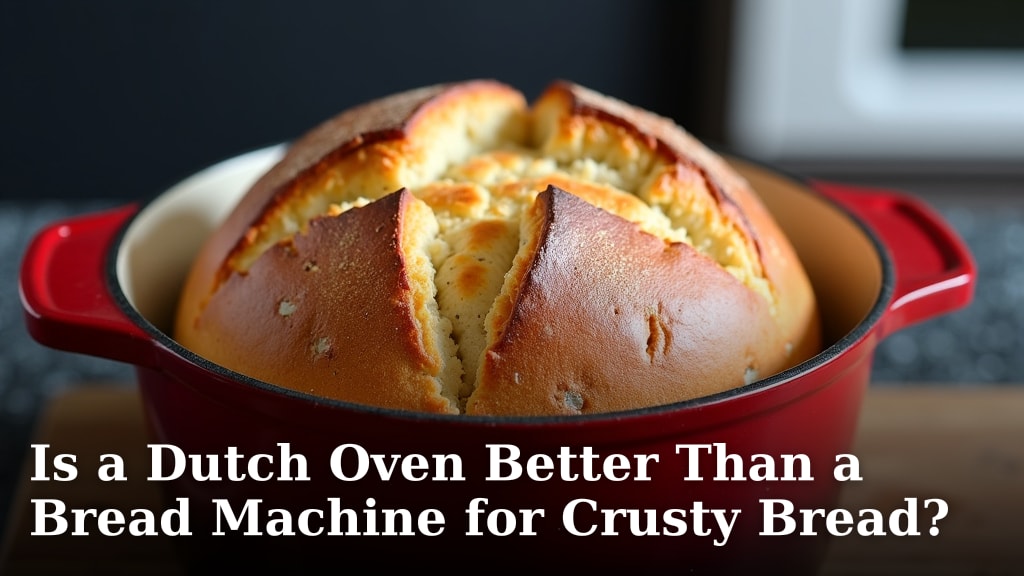
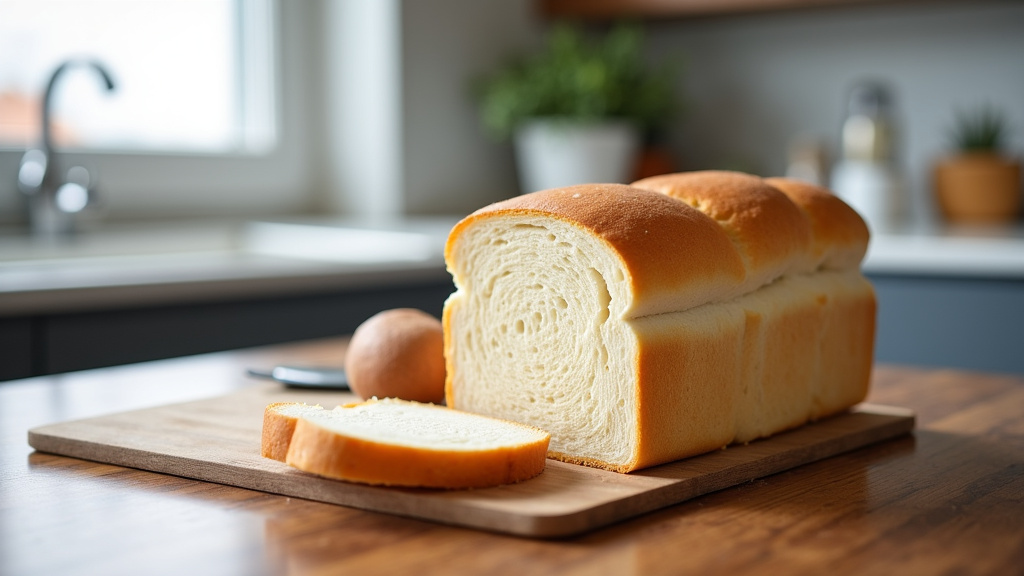
It’s important to set realistic expectations for the bread’s texture. Bread baked in a bread machine often has a softer crust compared to oven-baked bread. This is because the machine bakes it inside a contained pan.
If you crave that super crispy, crackly crust of an artisan loaf from a bakery, you might find the bread machine’s crust slightly different. We found that enthusiasts often still prefer the oven for specific crust demands. It’s still delicious, just a different style of crust.
Initial Investment and Cleaning
There’s an initial cost to consider when purchasing a bread machine. While not prohibitively expensive, it’s still an investment. Prices can range from around $70 to over $200, depending on features and brand.
Cleaning, while generally easy, is still part of the process. The bread pan, kneading paddle, and sometimes the lid might need a quick wash. It’s not a lot of work, but it is an added step. So, while it saves time in baking, it adds a small cleaning task.
Checklist: Is a Bread Machine Right for Your Kitchen?
Still on the fence? Here’s a quick checklist to help you decide if a bread machine is a worthwhile addition to your home:
Are you looking for a way to:
- Enjoy fresh, warm bread regularly with minimal effort?
- Save money compared to buying store-bought loaves?
- Create healthier bread options tailored to your family’s dietary needs?
- Experiment with different types of dough for pizza, rolls, and more?
- Free up your hands and time during the bread-making process?
- Automate repetitive baking tasks like mixing and kneading?
If you answered “yes” to most of these, a bread machine could be a truly valuable tool for you. Many users report feeling more confident in their baking skills simply by owning one (National Library of Medicine).
Conclusion
You’ve seen how a bread machine offers unbeatable convenience and control for many home bakers. It truly simplifies the process of baking fresh, delicious loaves. We found it’s a smart choice if you value time savings, customizable ingredients, and cost-effective eating.
While it has minor trade-offs like countertop space or a softer crust, for most, the benefits outweigh these small concerns. If you’re ready to enjoy homemade goodness with minimal fuss, a bread machine could be your kitchen’s next best addition. Consider your baking goals, and then pick the perfect model to start your freshly baked journey!
Frequently Asked Questions
Are bread machines difficult to clean after use?
No, cleaning a bread machine is generally easy. The bread pan and kneading paddle are usually non-stick and detachable. A quick wash with warm, soapy water is all that’s typically needed.
Do bread machines use a lot of electricity?
Bread machines are quite energy-efficient for their task. While baking cycles can last a few hours, the power consumption is similar to other kitchen appliances like a slow cooker. The cost per loaf is usually minimal.
Can I use a bread machine just for kneading dough and not baking?
Absolutely! Many modern bread machines include a “dough” cycle. This lets the machine mix and knead your dough perfectly, then allows it to rise. You can then remove the dough to shape and bake in a conventional oven.
How long does bread machine bread stay fresh?
Homemade bread, including bread machine bread, typically stays fresh for 2-3 days at room temperature. Because it lacks commercial preservatives, you might want to store it in an airtight container or freeze slices for longer keeping.
What is the main difference between a bread machine and a stand mixer for baking?
A stand mixer primarily mixes and kneads dough, requiring you to monitor and transfer it for rising and baking. A bread machine, however, automates the entire process: mixing, kneading, rising, and baking, all in one appliance.