What Is the Best Bread Machine Yeast Brand?
On this page (3 sections)
When it comes to making delicious homemade bread, the yeast you choose really matters. For bread machines, Red Star Yeast is a top performer. Many bakers have found it reliably produces a great crust and fluffy crumb. It’s a go-to for consistent results.
You might be wondering if there’s one magical brand. While several brands work, Red Star’s Platinum Superior Baking Yeast is often recommended. It’s designed for enriched doughs, which many bread machine recipes use. This can lead to a richer flavor and softer texture in your loaves.
- Red Star Yeast is a popular choice for bread machines.
- Look for Red Star’s Platinum Superior Baking Yeast.
- This yeast helps create a softer crumb and richer flavor.
- Proper storage keeps your yeast fresh.
- Machine settings can also affect your results.
Let’s dive into what makes a yeast brand stand out for your bread machine and how to get the most out of it.
Choosing the Right Yeast for Your Bread Machine
So, you’re ready to bake some amazing bread with your machine. That’s fantastic! A key ingredient for success is the yeast. But with so many options, how do you pick the best yeast brand for your bread machine? Let’s break it down.
Why Yeast Matters in Bread Machines
Your bread machine does most of the heavy lifting – mixing, kneading, and baking. But the yeast is the engine that makes your bread rise. It consumes sugars and produces carbon dioxide gas. This gas creates the airy, fluffy texture we all love. The right yeast ensures a good rise and delicious flavor.
Different yeasts have different strengths. Some are better for quick rises, while others excel in enriched doughs. For bread machines, you often want a yeast that’s reliable and consistent. It needs to perform well in the controlled environment of the machine.
Understanding Different Types of Yeast
Before we talk brands, let’s quickly cover the types you might see. This helps you understand what you’re buying.
Active Dry Yeast
This is a common type. Active dry yeast needs to be proofed (dissolved in warm water) before you add it to your ingredients. It’s a bit more hands-on. Some bakers find it gives a slightly different flavor profile.
Instant Yeast (Rapid Rise Yeast)
Instant yeast is more convenient. You can usually add it directly to your dry ingredients. It doesn’t need proofing. It’s designed to work quickly, making it a popular choice for busy bakers and bread machines. Many bread machine recipes call for this type.
Bread Machine Yeast
Some brands specifically label their yeast as “bread machine yeast.” These are typically formulations of instant yeast. They are often designed to handle the specific conditions of automated baking. They might have additives to improve performance in the machine. Some brands specifically label their yeast as bread machine yeast.
What Makes a Yeast Brand Great for Bread Machines?
Several factors contribute to a yeast brand being a top choice for your bread maker. Think of it like choosing the right oil for your car – you want something that works well and keeps things running smoothly.
Reliability and Consistency
The most important quality is reliability. You want a yeast that consistently gives you a good rise. You don’t want to guess if your bread will turn out or not. A consistent product means fewer failed loaves and more delicious bread.
Performance in Enriched Doughs
Many bread machine recipes are for enriched doughs. These contain ingredients like milk, butter, eggs, or sugar. These ingredients can sometimes slow down yeast activity. A good bread machine yeast will perform well even with these additions. It helps create a softer texture and richer flavor.
Flavor Profile
While all yeast produces bread, some brands might contribute a slightly different flavor. Some bakers prefer a more robust yeasty taste, while others like a milder flavor. For bread machines, a well-balanced flavor is usually ideal.
Shelf Life and Storage
Yeast is a living organism. Its potency degrades over time. A brand with a good shelf life and clear storage instructions is helpful. Proper storage ensures your yeast stays active until you need it.
Top Contenders for Bread Machine Yeast
While many brands can work, some consistently get rave reviews from bread machine users. Research and user feedback point to a few standouts.
Red Star Yeast
As mentioned in the intro, Red Star Yeast is a perennial favorite. Many bakers find it incredibly dependable. It’s available in both active dry and instant varieties. For bread machines, their instant yeast is often the go-to.
We found that Red Star’s products generally offer a strong rise. They are also widely available in most grocery stores. This makes them easy to grab when you’re planning your next bake.
Red Star Platinum Superior Baking Yeast
This specific variety from Red Star deserves a special mention. It’s formulated with dough enhancers. These help create a lighter crumb and better volume. It’s particularly good for recipes with sugar, butter, or milk. Many users report excellent results with this product in their bread machines.
If you’re baking sweet breads, brioche, or challah in your machine, this yeast can be a real game-changer. It helps create that bakery-quality texture you’re aiming for.
Fleischmann’s Yeast
Fleischmann’s is another well-known brand. It’s been around for a long time. They offer both active dry and rapid rise (instant) yeast. Their rapid rise yeast is a solid choice for bread machines. It’s readily available and generally performs well.
Some users prefer Fleischmann’s for its straightforward performance. It’s a reliable option if Red Star isn’t available or if you’re used to working with it.
Other Brands and Considerations
You might also find store-brand yeasts or other national brands. Many of these will work just fine, especially if they are instant or rapid rise yeast. The key is to check the type of yeast and its expiration date.
Some international brands might also be available. Their performance can vary. If you’re trying a new brand, it might be a good idea to do a small test bake first. This way, you won’t waste a whole loaf if it doesn’t perform as expected.
How to Store Your Yeast for Maximum Freshness
No matter which brand you choose, proper storage is vital. Old or improperly stored yeast won’t give you the rise you need. Think of it like keeping your produce fresh – you wouldn’t leave lettuce out on the counter!
Refrigeration is Key
Once opened, yeast should always be stored in the refrigerator. This slows down the yeast’s activity and preserves its potency. Put it in an airtight container or the original packaging, sealed tightly.
Freezing for Longer Storage
For even longer storage, you can freeze your yeast. Again, make sure it’s in an airtight container. Frozen yeast can last for up to a year or even longer. When you need to use it, thaw it in the refrigerator overnight.
Check the Expiration Date
Always check the expiration date on the package. Yeast is a perishable product. Using expired yeast is a common reason for bread not rising. If you’re unsure, it’s better to use fresh yeast.
Tips for Using Yeast in Your Bread Machine
Beyond choosing the right brand, a few simple practices can help ensure your bread machine bakes perfectly every time.
Use Room Temperature Liquids
When adding liquids to your bread machine, aim for room temperature or slightly warm. Water that’s too hot can kill the yeast. Water that’s too cold might not activate it properly. A temperature between 105-115°F (40-46°C) is generally ideal. Many guidelines suggest this range for optimal yeast activity (CDC).
Follow Your Machine’s Instructions
Each bread machine is different. Read your manual carefully. It will tell you the best order to add ingredients and any specific recommendations for yeast. Some machines have a dedicated yeast dispenser.
Measure Accurately
Yeast, like flour, needs to be measured accurately. Use a kitchen scale for best results, especially for flour. For yeast, a standard measuring spoon is usually sufficient. Too little yeast means a flat loaf. Too much can lead to an overpowering flavor and a loaf that collapses.
Quick Checklist for Yeast Success
Here’s a quick rundown to help you get the best results with your bread machine yeast:
- Choose an instant or rapid rise yeast for your machine.
- Look for brands like Red Star Platinum or other reliable instant options.
- Store opened yeast in the refrigerator or freezer.
- Always check the expiration date before baking.
- Use liquids at the recommended temperature (105-115°F).
- Measure your ingredients precisely.
By paying attention to your yeast brand and how you store and use it, you’ll be well on your way to baking consistently delicious bread from your machine. Happy baking!
Conclusion
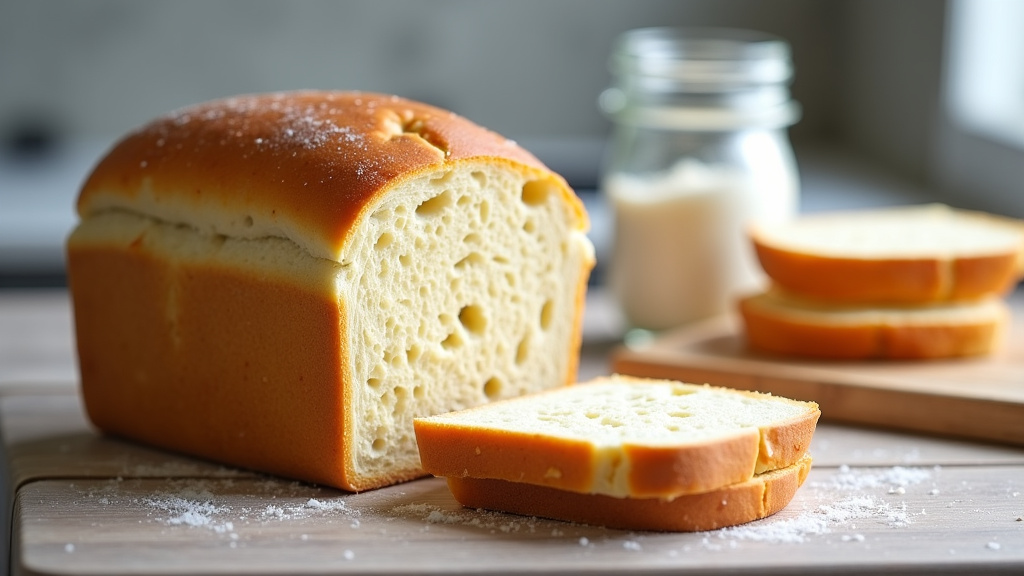
You’ve learned that choosing the right yeast is key to baking success in your bread machine. While many brands work, Red Star Yeast, especially their Platinum Superior Baking Yeast, stands out for its reliability and performance in enriched doughs. This leads to a consistently great crust and a soft, fluffy crumb. Remember to always store your yeast properly in the refrigerator or freezer and check its expiration date. With the right yeast and a few simple techniques, you can confidently bake delicious, homemade bread every time. Now go ahead and try a new recipe with your chosen yeast!
Frequently Asked Questions
Does it really matter which brand of yeast I use in my bread machine?
Yes, the brand can matter for your bread machine. Some yeasts are formulated to perform better in the automated mixing and baking cycle. Brands like Red Star often provide more consistent results, ensuring a good rise and texture in your loaf.
Can I use active dry yeast instead of instant yeast in my bread machine?
While you can technically use active dry yeast, it’s generally not recommended for most bread machines. Active dry yeast needs proofing, which your machine can’t do. Instant yeast, also called rapid rise, is designed to be added directly with other dry ingredients and works best in machines.
How long does bread machine yeast last once opened?
Once opened, keep your bread machine yeast in an airtight container in the refrigerator. It should stay fresh and potent for about 4-6 months when stored this way. For longer storage, freezing it can extend its shelf life significantly.
What’s the difference between regular instant yeast and “bread machine” yeast?
Bread machine yeast is often a specific blend of instant yeast, sometimes with added dough conditioners. These conditioners can help your dough rise better and create a softer texture, especially in enriched recipes that are common for bread machines.
My bread didn’t rise. Could it be the yeast brand I used?
It’s possible the yeast brand contributed, but it’s more likely due to old or dead yeast, incorrect storage, or expired product. If your yeast is old or wasn’t stored properly (like being left out), it loses its power. Always check the expiration date and store it correctly.