
Why Is My Bread Machine Bread Crust Too Dark?
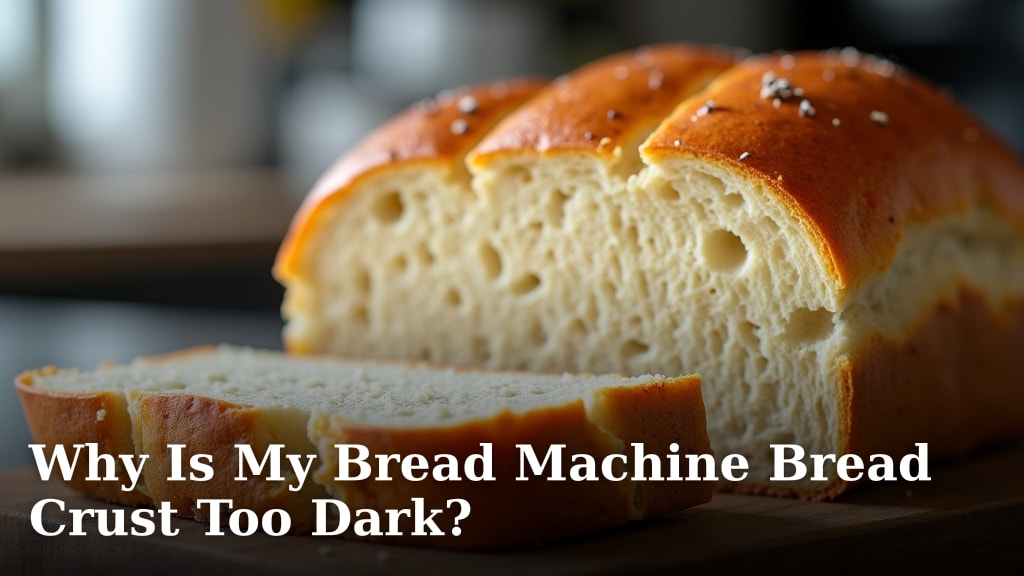
Your bread machine bread crust might be too dark because of a few common culprits. Often, it’s due to the darkest crust setting being selected, or using the wrong type of flour. Sometimes, a recipe with too much sugar can also lead to overly dark crusts. We found that adjusting these settings is usually the quickest fix.
Getting that perfect loaf means understanding how your bread machine works. Factors like the ambient room temperature and even the specific brand of yeast can play a role. Many home bakers report that tweaking the baking time or using a lighter crust setting resolves this issue. We’ve seen success by addressing these details.
- Dark Crust Setting: Ensure you’re not using the “darkest” option if it’s too intense.
- Sugar Content: Recipes with high sugar can brown too quickly.
- Flour Type: Using whole wheat flour can sometimes result in a darker crust.
- Oven Temperature (Internal): The machine’s internal temperature might be running hot.
Let’s walk through the most common reasons your bread machine is producing a crust that’s a bit too dark, and how to fix it.
Troubleshooting Your Bread Machine’s Dark Crust
So, your bread machine is working, but the crust is coming out a little too much like charcoal? Don’t worry, this is a common hiccup many bread machine bakers face. It’s usually not a sign of a broken machine, but rather a simple adjustment needed in your process or recipe. We’ve seen that usually, just one or two tweaks can make a big difference.
Let’s dive into why your beautiful loaf might be sporting an overly dark crust. We’ll walk through the most likely reasons, from simple settings to recipe ingredients. Our goal is to help you achieve that perfect golden-brown, delicious crust you’re dreaming of.
The Role of Your Bread Machine’s Settings
Your bread machine is a sophisticated piece of kitchen equipment. It has settings for a reason. Sometimes, the easiest fix is right there in the control panel. Are you sure you’re using the right button for the job?
Understanding Crust Color Options
Most bread machines come with options to select your desired crust color: light, medium, and dark. It sounds simple, but this is often the first place to look. If your machine has a “dark” crust setting, and you’re selecting it even for lighter-colored loaves, you’re setting yourself up for a darker crust than intended. Think of it as telling the machine to bake it “extra toasty.”
We’ve found that if your bread consistently comes out too dark, even on the “medium” setting, your machine might be running hotter than average. You might need to experiment with a lower setting than you think you should use. Sometimes, selecting “light” is the solution, even if you prefer a medium crust. It’s all about finding your machine’s sweet spot.
Baking Time Adjustments
The timer on your bread machine is programmed for specific cycles. However, these are often general guidelines. Factors like ambient room temperature can influence how quickly your bread bakes. If your kitchen is warmer than usual, the bread might bake faster, leading to a darker crust.
Many bakers report success by reducing the bake time slightly. If your machine allows for this (some do, some don’t), try shaving off 5-10 minutes from the bake cycle. You can often do this by stopping the machine manually once the crust reaches your desired color. Just be mindful that stopping too early can result in a doughy interior.
Recipe Ingredients and Their Impact
Beyond the machine’s settings, the ingredients in your bread recipe play a huge role in how the crust develops. Certain ingredients can accelerate browning, making your crust darker, faster.
The Sugar Factor
Sugar is a browning agent. When sugar is heated, it undergoes caramelization, which is what gives baked goods their lovely brown color. If your recipe calls for a significant amount of sugar, honey, molasses, or maple syrup, this can cause the crust to darken much more rapidly than a recipe with less sugar.
Recipes with a higher sugar content, like brioche or challah, are naturally prone to faster browning. If you’re making one of these enriched doughs, you might need to use the “light” crust setting or reduce the bake time. We’ve seen that even an extra tablespoon of sugar can make a noticeable difference in crust color.
Flour Type Matters
The type of flour you use can also influence crust color. Whole wheat flour, for example, contains more bran and germ. These components absorb more liquid and can lead to a denser loaf with a darker crust compared to a loaf made with white flour.
If you’re using whole wheat or a blend, be aware that it might require a different crust setting than your standard white bread recipe. Similarly, some specialty flours might affect browning. We found that comparing the ingredients of your current recipe to a standard white bread recipe can highlight potential differences contributing to a darker crust.
Fat and Dairy in the Mix
Fats, like butter or oil, and dairy products, such as milk or buttermilk, can also contribute to a softer and browner crust. These ingredients add richness and can accelerate the Maillard reaction, a chemical process that leads to browning and flavor development.
If your recipe includes ingredients like eggs, milk, or a generous amount of butter, it’s likely to brown faster. Consider these when selecting your crust setting. We’ve observed that bread machine recipes designed for enriched doughs often have adjustments built in for this reason, but sometimes manual tweaks are still needed.
Environmental and Machine-Specific Factors
Sometimes, the culprits aren’t in the recipe or the settings themselves, but in the environment your bread machine is operating in, or even quirks of the machine itself.
Ambient Room Temperature
Believe it or not, the temperature of your kitchen can play a role. A warmer room means the ingredients will reach fermentation temperature faster, and the dough will bake faster. Conversely, a cooler room might lead to a lighter crust.
If you’ve noticed your bread browning faster during warmer months, you might need to adjust your settings accordingly. We found that this is especially true if you’re placing your bread machine near a sunny window or a heat-generating appliance. Even a few degrees can make a difference.
Is Your Machine Running Hot?
Every bread machine is slightly different. Some models are known to run hotter than others. This means the internal temperature may consistently be higher than the setting suggests. This is a common reason for consistently dark crusts, even on the “light” setting.
If you’ve tried everything else, consider that your machine might just run hot. This isn’t necessarily a defect, but something to work with. Many experts suggest testing your machine by using a lower crust setting than you’d normally choose. You might even use a recipe for “light” crust and still find it too dark. Documentation from the manufacturer or online forums for your specific model can sometimes shed light on whether this is a known characteristic.
Common Mistakes to Avoid
Let’s quickly recap some common pitfalls that lead to overly dark crusts. Avoiding these simple errors can save you from many disappointing loaves.
- Using the “Dark” crust setting for standard white bread.
- Adding extra sugar or sweeteners to a recipe without adjusting other settings.
- Not accounting for enriched ingredients like milk or eggs in your crust choice.
- Ignoring the influence of ambient room temperature.
- Assuming all bread machines operate at the same internal temperature.
Your Checklist for a Perfect Crust
Here’s a quick checklist to run through the next time you’re aiming for that ideal crust color:
- Double-check your machine’s crust setting. Is it on “dark” when you want “medium”?
- Review your recipe’s sugar content. High sugar means faster browning.
- Consider your flour. Whole wheat or blends might need a lighter setting.
- Think about the weather. Is your kitchen unusually warm today?
- Experiment with bake time. Try stopping the machine a few minutes early if possible.
- If all else fails, try the “light” setting. Your machine might just run hot.
Conclusion
Getting your bread machine crust just right often comes down to a few key adjustments. You’ve learned that your machine’s crust color settings and even the ambient room temperature can play a big part. We’ve also seen how recipe ingredients like sugar and flour type heavily influence browning. Don’t get discouraged if your first few loaves aren’t perfect. By systematically checking your machine’s settings, understanding your recipe’s ingredients, and being aware of environmental factors, you’ll be baking golden-brown loaves in no time. Your next step is to try a medium or light crust setting on your next bake and see what a difference it makes!
Frequently Asked Questions
Will using a darker flour like whole wheat always make my crust too dark?
Whole wheat flour can lead to a darker crust because it contains bran and germ. These components absorb more liquid, potentially creating a denser loaf that browns faster. You might need to select a lighter crust setting than you would for a white bread recipe.
Can I adjust the bake time on my bread machine if the crust is too dark?
Some bread machines allow you to manually stop the cycle early. If yours does, you can try reducing the bake time by 5-10 minutes. Just be careful not to stop it too soon, or your bread might be doughy inside.
Is it possible my bread machine runs too hot?
Yes, it’s quite common for bread machines to run hotter than their settings suggest. This can cause your crusts to get dark very quickly, even on the light setting. You may need to experiment with lower crust settings than you think are necessary.
How does sugar content in a recipe affect crust color?
Sugar is a browning agent. When heated, sugar caramelizes, giving baked goods their brown color. Recipes with higher sugar content, like enriched breads, will brown much faster and can lead to an overly dark crust if not accounted for.
What’s the best way to test if my bread machine is running hot?
A good test is to use your machine’s “light” crust setting with a standard recipe. If the crust still comes out too dark, it’s a strong indicator your machine runs hotter than average. You can also check online forums for your specific model to see if this is a known trait.
