How to Make Buttermilk Bread in a Bread Machine
For a soft bread machine buttermilk bread recipe, use buttermilk as part of the measured liquid, reduce other liquid to compensate, and add ingredients in your machine's recommended order. Choose a basic white or sweet cycle and check the dough early.
On this page (10 sections)
- How do you make buttermilk bread in a bread machine?
- How should you balance buttermilk and other liquid?
- Which cycle and ingredient order work best?
- What should the dough look like during kneading?
- How can you keep a buttermilk loaf soft?
- Why did the loaf collapse or turn dense?
- Can you add cheese, herbs, or other flavorings?
- How do you store homemade buttermilk bread?
- Can you make sourdough with buttermilk in a bread machine?
- Which adjustments make the softest bread machine buttermilk loaf?
A soft bread machine buttermilk bread recipe works best when buttermilk replaces part or all of the recipe's measured liquid rather than being added on top of it. Add it in your machine's recommended order, choose a basic bread cycle, and check the dough during the first knead.
Buttermilk adds a mild tang and tender texture, but its thickness and acidity can change how dough comes together. For another soft bread machine bake, try pandesal in a bread machine.
The key is to balance liquid and flour, then make small adjustments while the paddle is mixing.
How do you make buttermilk bread in a bread machine?
Use a recipe written for a bread machine, with buttermilk included in its total liquid amount. Measure the flour and liquid accurately, then let the dough tell you whether a small adjustment is needed.
A practical starting formula for a medium loaf is:
- 3 cups bread flour
- 1 cup buttermilk
- 2 tablespoons softened butter
- 2 tablespoons sugar
- 1 teaspoon salt
- 1 1/2 teaspoons bread machine yeast
This is a starting point, not a universal machine formula. Check your manual for its minimum and maximum loaf sizes, ingredient order, and yeast placement.
For a smaller capacity, see 1-pound bread machine recipes.
If you are comparing brands, see who makes KBS bread machines.
Add the ingredients in the order your bread maker recommends. Many machines call for liquids first, then flour, with sugar and salt kept apart and yeast placed in a small well at the top.
Select the basic or white bread cycle and a medium crust setting. If your machine asks for loaf size, choose the setting closest to the amount of flour in the formula.
How should you balance buttermilk and other liquid?
Count buttermilk as liquid in the recipe, and reduce water or milk by the same amount. Adding a full measure of buttermilk on top of the planned liquid can make dough too wet and the loaf dense.
Buttermilk is thicker than water, so the dough may look different at the start of kneading. After a few minutes, look for a soft, cohesive ball that moves around the pan and clears most of its sides.
If it looks dry, crumbly, or leaves flour in the corners, add water 1 teaspoon at a time. If it spreads like thick batter or sticks heavily to the pan, add flour 1 tablespoon at a time and wait for it to mix in before adding more.
Don't judge the dough in the first minute. Give the flour time to absorb the liquid, then make gradual changes.
Can you use cultured buttermilk in a bread machine?
Yes, cultured buttermilk is a common choice for a bread machine buttermilk bread recipe. Measure it as part of the liquid and use it at the temperature your recipe or machine manual recommends.
Avoid swapping in a buttermilk substitute without checking its thickness and acidity. A thin mixture made with milk and lemon juice, for example, may behave differently from cultured buttermilk.
Which cycle and ingredient order work best?
The basic white cycle is a sensible starting point for a standard buttermilk loaf. Choose a sweet cycle if the formula contains more sugar or fat and your machine's manual recommends that setting.
That cycle may also suit panettone in a bread machine.
Machine cycles vary, so use your manual when it gives specific instructions. A smaller loaf may need a different cycle than a large one, and rapid cycles can leave less time for dough development.
Place yeast so it stays dry until mixing starts if that's how your machine is designed. Keep salt away from direct contact with the yeast before the cycle begins.
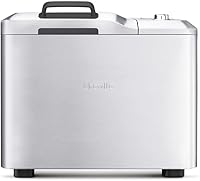
The Breville BBM800XL Custom Loaf Bread Maker Machine offers 13 automatic programs, three crust settings, and nine custom settings for people who want to adjust a bread cycle.
What should the dough look like during kneading?
Look for a smooth, soft ball that holds together without smearing around the pan. Buttermilk bread dough can be slightly tacky, but it shouldn't be soup-like or stiff enough to strain the paddle.
Watch through the viewing window during the first knead if your machine has one. Use a flexible spatula to scrape flour from the corners only if the manual permits opening the lid during kneading.
Wait a minute after each small adjustment. Flour takes time to absorb liquid, so repeated additions can push the dough too far in the opposite direction.
If the dough stays slack after several minutes, add a little flour. If it tears or looks dry, add a little water or buttermilk.
How can you keep a buttermilk loaf soft?
Measure flour carefully and avoid adding extra flour unless the dough needs it. Too much flour can make the loaf dry and tight.
Use bread flour for a chewier structure, or follow a recipe that specifies all-purpose flour. Don't switch flour types without expecting some change in texture and absorption.
Butter and sugar can help create a tender crumb, but keep the amounts within the recipe. Too much sugar or fat can affect how yeast works and how the loaf rises.
When the cycle ends, remove the loaf carefully and let it cool on a rack before slicing. Cutting it while hot can compress the crumb and make the center seem gummy.
For a simple loaf with a different flavor, see our bread machine butter bread recipe. If you want a bread that holds sandwich fillings, compare it with the Best Bread Maker For Sandwich Bread.
Why did the loaf collapse or turn dense?
A collapsed loaf often points to too much liquid, too much yeast, or a rise that outpaced the dough's structure. A dense loaf can come from too little liquid, old yeast, excess flour, or a cycle that didn't give the dough enough time.
Change one variable at a time on your next bake. If the dough was sticky and loose, reduce the liquid slightly; if it was dry and stiff, add a little more liquid during kneading.
Check yeast freshness and measure it with a proper measuring spoon. Keep salt and yeast separated until mixing begins if your machine's instructions call for that.
Also check that the pan is seated correctly and the paddle can turn. Follow the machine's manual for troubleshooting, since cycle names and timing differ by model.
Can you add cheese, herbs, or other flavorings?
Add mix-ins only when they suit the dough and the machine's instructions. Too many add-ins can weigh down a loaf or interfere with kneading.
Cheese and herbs pair well with the gentle tang of buttermilk, but keep quantities moderate and use the mix-in signal if your bread maker has one. For a savory variation, try our beer cheese bread machine recipe.
For a bread shaped to hold grilled fillings, the bread machine panini bread recipe uses a different style of loaf. Buttermilk bread itself is better suited to toast and everyday sandwiches.
How do you store homemade buttermilk bread?
Cool the loaf completely, then store it in a sealed bag or bread box at room temperature for a few days. For longer storage, slice it and freeze the slices in a sealed freezer bag.
Keep the loaf away from moisture and heat. Refrigeration can dry bread faster, so freeze it if you need to keep it beyond a short period.
Toast frozen slices straight from the freezer or thaw them at room temperature. Discard bread if you see mold, and don't rely on smell alone to check for it.
Can you make sourdough with buttermilk in a bread machine?
You can use a bread machine to mix or bake some sourdough formulas, but starter changes the liquid and timing. Follow a recipe designed for your machine and starter rather than replacing yeast directly.
For the process and cycle considerations, read Can You Make Sourdough Bread in a Bread Machine?. Keep buttermilk in a separate formula unless the sourdough recipe specifically includes it.
Which adjustments make the softest bread machine buttermilk loaf?
For a soft loaf, measure the total liquid accurately, check the dough early, and make only small corrections. Start with the basic cycle and a recipe proportioned for your machine's loaf size.
Choose a standard buttermilk formula if you want a mild tang and tender slices. If you want a richer, more savory loaf, use a recipe built around cheese or herbs, and if you need a shaped sandwich loaf, choose a panini-style formula instead.
For a crustier option, try a 1.5-pound French bread loaf.
Frequently asked questions
Can I use buttermilk instead of water in a bread machine?
Yes, but count buttermilk toward the recipe's total liquid instead of adding it on top of the water. Begin with the recipe's stated liquid amount, then use buttermilk for some or all of it as the formula allows.
Check the dough during kneading and adjust with small amounts only if needed.
Does buttermilk make bread rise differently?
It can affect dough texture and flavor because it is thicker and more acidic than water. A bread machine loaf should still rise when the recipe balances liquid, flour, yeast, and salt.
Use the yeast amount and cycle recommended by your recipe, and check that the yeast is fresh.
Should buttermilk be cold or room temperature for bread machine bread?
Use the temperature directed by your bread machine recipe or manual. If it calls for room-temperature ingredients, let cold buttermilk warm briefly before measuring, but don't heat it until hot.
Very warm liquid can harm yeast, and cold ingredients can slow the start of fermentation.
What cycle should I use for buttermilk bread?
Start with the basic white or basic bread cycle for a standard loaf, unless your recipe specifies another setting. A sweet cycle may suit a formula with added sugar or fat.
Use the loaf size and crust setting that match your recipe, and follow your machine's manual if its cycles differ.