
How Do You Know What Size Bread Machine to Buy?
The best size bread machine for you depends on how much bread you typically eat. For individuals or couples, a 1-pound loaf capacity is often perfect. Families or those who entertain might prefer a 1.5-pound or even a 2-pound capacity to ensure everyone gets a slice (or two!).
Choosing the right size is a smart first step. It ensures you don’t end up with too much bread or not enough. We’ve researched various bread makers to help you find the We’ve researched various bread makers to help you find the ideal capacity for your baking needs.ideal capacity for your baking needs and kitchen space. It’s all about making delicious bread without the waste.
- Consider your household size.
- Think about how often you bake.
- Small machines make 1-pound loaves.
- Larger machines make 1.5 or 2-pound loaves.
- Match capacity to your consumption habits.
Let’s walk through exactly how to pick the perfect size bread machine for your home, so you can start enjoying fresh, homemade loaves without any guesswork.
Figuring Out the Right Bread Machine Capacity
Selecting the correct bread machine size is a key decision for happy baking. It impacts how much bread you make at once. Let’s break down how to match a machine’s capacity to your needs. You want to avoid stale bread or constant baking.
Think of it like buying clothes. You wouldn’t buy a tiny t-shirt if you needed an extra-large, right? The same applies to bread makers. Getting the size right means you get to enjoy freshly baked bread without any fuss.
What Do These Loaf Sizes Mean?
Bread machines are typically measured by the maximum size of the loaf they can produce. You’ll commonly see capacities listed as 1-pound, 1.5-pound, or 2-pound. This refers to the weight of the finished loaf, not the machine’s overall size.
A 1-pound loaf is generally smaller. It’s perfect for one or two people. A 1.5-pound loaf is a good middle ground. It suits small families or individuals who like to have a bit of leftover bread. A 2-pound loaf is for larger households or serious bread lovers.
Breaking Down the Capacities:
Let’s get more specific about what each size usually entails. This will help you visualize how much bread you’ll actually end up with.
The 1-Pound Loaf: Perfect for Singles and Couples
If you live alone or with just one other person, a 1-pound bread machine is often the best bet. This size produces a smaller loaf. It’s ideal for making bread that you’ll finish within a day or two.
Think about it: do you only eat a slice or two of toast with your breakfast? Or maybe you make a sandwich for lunch occasionally? If your bread consumption is modest, a 1-pound loaf is economical and practical. It prevents waste and ensures you always have fresh bread on hand.
The 1.5-Pound Loaf: The Versatile All-Rounder
This is often considered the most popular size. A 1.5-pound loaf is a great compromise for many households. It’s larger than a 1-pound loaf but not overwhelming like a 2-pounder.
This size is excellent for families of 2-4 people. You can easily get several slices for toast, sandwiches, and sides. Plus, if you enjoy having a little extra for croutons or bread pudding, this size gives you that flexibility. We found many users preferred this middle-ground capacity.
The 2-Pound Loaf: For Big Appetites and Entertainers
Do you have a large family? Or perhaps you love to entertain guests? If so, a 2-pound bread machine might be what you need. This machine makes the biggest loaves, ensuring there’s plenty to go around.
This is also a good choice if you like to freeze portions of bread for later. Baking a larger batch means you can have fresh bread ready for weeks. Some people also enjoy the challenge of making larger, artisan-style loaves, and this size accommodates that well.
Beyond the Loaf: Other Sizing Considerations
While loaf capacity is the main factor, you should also think about the machine’s physical size. Bread machines can take up a fair bit of counter space. You don’t want a machine that’s too big for your kitchen.
Kitchen Counter Real Estate:
Before you buy, measure your available counter space. Note the dimensions of the bread machine. Ensure there’s enough room for the machine itself, plus a little extra for ventilation and easy access. Many people find they don’t consider this until the machine arrives!
Some machines are more compact than others, even if they have the same loaf capacity. Read reviews and check product dimensions carefully. A sleek design can sometimes help, but don’t let looks fool you into buying something that won’t fit.
Storage Options:
If counter space is limited, consider where you’ll store the bread machine when it’s not in use. Can it fit in a pantry or a cupboard? A smaller machine might be easier to tuck away if you don’t bake daily. A larger machine will likely need a permanent spot.
Your Baking Frequency Matters
Let’s talk about your baking habits. Are you planning to bake bread every day? Or is this more of a weekend treat?
Daily Bread Needs:
If you plan to make bread on a daily basis, a 1-pound or 1.5-pound machine might be best. This allows you to bake fresh bread regularly without having too much leftover. It’s about matching your output to your consumption.
Occasional Baking:
For those who bake only once or twice a week, a larger capacity machine could be more efficient. You can bake a 1.5-pound or 2-pound loaf and then freeze half for later. This saves you time and ensures you always have that fresh-baked taste.
Matching Capacity to Your Household
Your household size is a direct indicator of the bread capacity you’ll need. Let’s consider a few common scenarios.
Individuals and Couples:
If it’s just you, or you and a partner, a 1-pound machine is likely your sweet spot. You won’t be tempted to eat more bread than you should, and your bread will stay fresher longer. We found this size is perfect for small kitchens too.
Small Families (2-4 people):
This group often benefits most from a 1.5-pound machine. It offers enough bread for multiple meals without being excessive. You can make toast for everyone in the morning and still have enough for sandwiches at lunch.
Larger Families (4+ people) and Entertainers:
If you’re feeding a crowd, a 2-pound machine is the way to go. It ensures everyone gets their fill. This size is also great for households where everyone loves sandwiches or has a hearty appetite for bread.
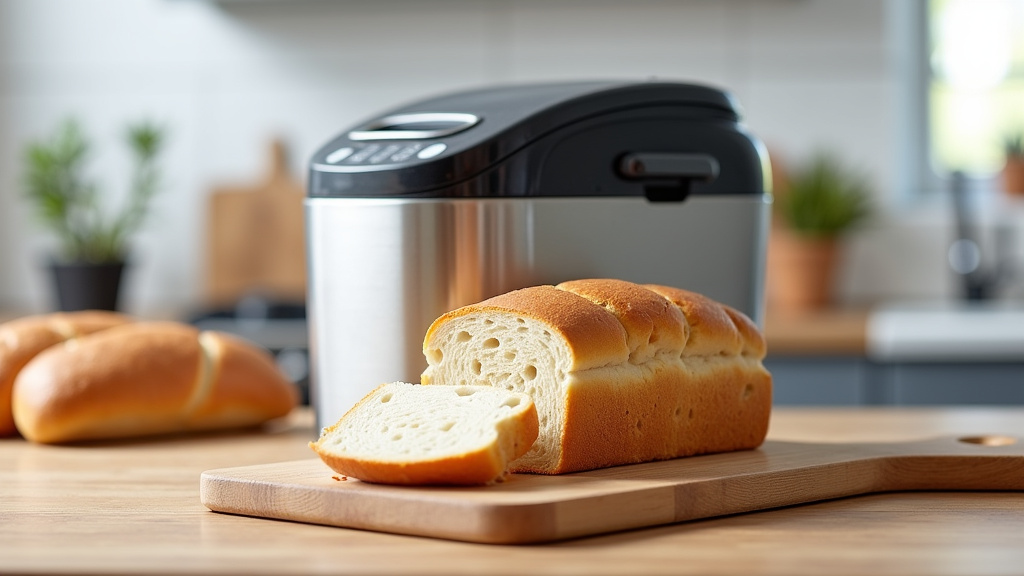
Considering Specialty Breads and Features
Some bread machines offer different loaf shapes or sizes, even within the same model. Always check the specifications.
Adjustable Loaf Sizes:
Many modern bread machines allow you to select the loaf size. You might be able to bake a 1-pound, 1.5-pound, or 2-pound loaf using the same machine. This offers great flexibility if your needs change.
Specialty Doughs:
If you plan to make gluten-free bread, dough for pizza, or other specific recipes, check if the machine is well-suited. Some machines have If you plan to make gluten-free bread, check if the machine has special cycles for these needs.special cycles for these. This isn’t directly about size, but it’s an important part of choosing the right machine for you.
Your Bread Machine Size Checklist
To make your decision easier, here’s a quick rundown of what to ask yourself:
- How many people are in your household?
- How often do you typically eat bread?
- Do you prefer a smaller loaf or a larger one?
- Do you plan to freeze bread for later?
- How much counter space do you have available?
- Are you looking for a machine with adjustable loaf sizes?
Comparing Bread Machine Capacities at a Glance
To help visualize, here’s a simple table comparing the most common bread machine sizes:
| Capacity (Finished Loaf Weight) | Typical Household Size | Best For | Consider If… |
|---|---|---|---|
| 1 Pound | 1-2 people | Singles, couples, light bread eaters | You have limited counter space, want quick loaves, and avoid waste. |
| 1.5 Pounds | 2-4 people | Small families, moderate bread eaters | You want versatility for sandwiches and toast, and occasionally entertain. |
| 2 Pounds | 4+ people | Large families, heavy bread eaters, entertainers | You love baking often, want to freeze portions, or bake for gatherings. |
Choosing the right size is all about aligning the machine’s output with your household’s consumption. It’s a simple step that leads to better baking results and less food waste.
Conclusion
You’ve learned that picking the right bread machine size is all about matching its capacity to your household’s needs. Whether you’re a solo baker or feeding a crowd, a 1-pound, 1.5-pound, or 2-pound machine offers a perfect fit. Remember to consider your kitchen space and how often you’ll bake. By aligning the machine’s output with your consumption habits, you’ll enjoy delicious, fresh bread without waste. Your next step? Measure your counter, consider your family’s favorite sandwiches, and choose the bread machine that feels just right for your kitchen!
Frequently Asked Questions
Will a 1-pound bread machine be too small for my family?
If your family consists of more than two people and you enjoy bread regularly, a 1-pound machine might indeed be too small. You could find yourself baking twice as often to meet your needs. For families of three or more, we generally recommend at least a 1.5-pound capacity.
Can I bake smaller loaves in a larger bread machine?
Yes, many bread machines, especially newer models, allow you to select different loaf sizes. If you have a 1.5-pound or 2-pound machine, you can often choose to bake a smaller 1-pound loaf. This offers great flexibility if your household’s needs vary.
Does the machine’s physical size matter more than the loaf size?
While loaf capacity is key for how much bread you get, the machine’s physical footprint is important for your kitchen. Always measure your available counter space. A larger capacity machine will naturally take up more room, so ensure it fits comfortably before you buy.
What if my bread consumption changes over time?
If you anticipate your bread needs might change, look for machines with adjustable loaf sizes. A 1.5-pound machine is often a safe bet as it can handle smaller loaves and is suitable for many household sizes. If you buy a machine that can bake multiple sizes, you gain flexibility for the future.
Is it better to get a larger machine and freeze half the bread?
For individuals or couples who bake only occasionally, getting a slightly larger machine (like a 1.5-pounder) and freezing half the loaf can be efficient. It allows you to bake less often but still have fresh bread on hand. However, if you only eat a slice or two a week, a 1-pound machine might still be more practical to avoid freezer burn.
