
What Is the Best Size Bread Machine for a Family of 4?
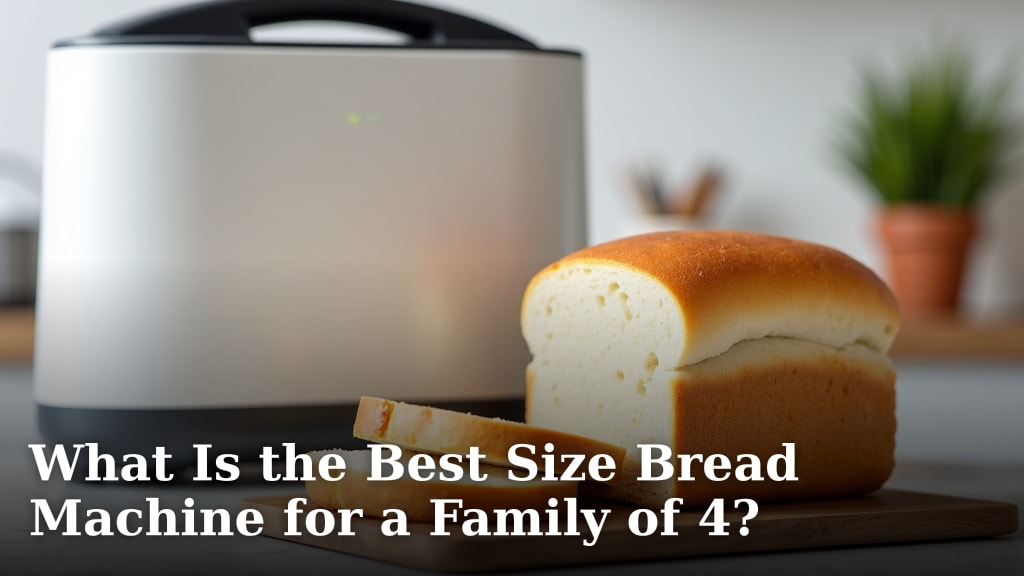
For a family of 4, the best size bread machine is typically a 1.5-pound or 2-pound capacity. These sizes offer enough bread for several meals without excessive leftovers. It also gives you flexibility for different recipe needs.
You’ll find these bread makers are versatile enough for everyday baking and special occasions. We found that a 1.5-pound loaf is usually perfect for a family dinner. A 2-pound loaf can provide bread for sandwiches and toast for a couple of days. Consider how much bread your family eats to pick the perfect size.
- 1.5-2 pound bread machine is best for a family of 4.
- This size makes enough bread for meals and some leftovers.
- It offers good versatility for different recipes.
- Consider your family’s bread consumption when choosing.
Let’s dive into the details of choosing the right bread machine for your family, ensuring you get fresh, homemade bread every time.
Choosing the Right Bread Machine Size for Your Family
When you’re aiming for homemade bread, the size of your bread machine really matters. For a family of four, you’re looking for that sweet spot. It needs to be big enough for a satisfying loaf, but not so big that you have tons of waste. We found that the 1.5-pound and 2-pound machines typically hit this mark.
Think about your family’s bread habits. Do you eat it with every meal? Or just for sandwiches? This helps you decide if you need a slightly larger capacity within that range.
Understanding Bread Machine Capacities
Bread machines usually come in a few standard sizes. These capacities refer to the weight of the finished loaf. It’s not about the machine’s physical size, but how much bread it can produce.
You’ll often see capacities listed as 1-pound, 1.5-pound, 2-pound, and sometimes even 2.5-pound or larger. Each size has its pros and cons for different households.
What Does “Loaf Size” Really Mean?
When a manufacturer says “1.5-pound loaf,” they’re talking about the approximate weight of the flour and other ingredients combined. The actual baked bread might weigh a little less due to moisture loss. It gives you a good idea of the final volume.
A 1.5-pound loaf provides a generous amount of bread for a single meal. A 2-pound loaf can stretch further, often enough for a day or two of sandwiches and toast for a family of four.
Why 1.5-Pound or 2-Pound is Ideal for a Family of 4
Let’s break down why these sizes work so well for a family of four. It’s all about balancing yield with practicality.
You want enough bread so everyone gets a piece, but not so much that it goes stale. Homemade bread is best enjoyed fresh, after all.
The 1.5-Pound Bread Machine: Just Right for Many
A 1.5-pound bread machine is a popular choice for a family of four. It produces a loaf that’s substantial enough for a dinner table. Think of it as supplying four good-sized servings, plus perhaps a little extra.
This size is also great if you want to bake more frequently. You can make a fresh loaf every other day without feeling overwhelmed by leftovers.
- Good for single-meal consumption.
- Minimizes food waste.
- Ideal for daily or every-other-day baking.
- Often means a more compact machine size too.
The 2-Pound Bread Machine: Versatility and Volume
For families who consume more bread, or want leftovers, the 2-pound machine shines. This size gives you more slices per loaf, making it perfect for sandwiches throughout the week or feeding hungry teenagers.
Many experts agree that this offers the best versatility. You can often make 1.5-pound recipes in a 2-pound machine, giving you flexibility (NIH).
Consider this size if your family has a higher bread consumption. It can also be great for baking for guests without needing to make multiple loaves.
Factors to Consider Beyond Loaf Size
While loaf size is key, it’s not the only thing to think about. A few other features can make your bread-making experience even better.
You’re investing in a kitchen appliance, so you want it to fit your lifestyle.
Your Family’s Bread Consumption Habits
This is arguably the most important personal factor. How much bread does your family really eat?
Do you only use bread for toast at breakfast? Or does it appear at lunch as sandwiches and then again at dinner with soup? If bread is a staple, leaning towards a 2-pound machine makes sense. If it’s an occasional treat, a 1.5-pound might be plenty.
Here’s a quick checklist to help you decide:
- Do we eat bread daily?
- How many slices per person per meal?
- Do we typically make sandwiches for lunch?
- Do we like having bread for toast in the morning?
- Are we okay with baking every day, or do we prefer less frequent baking?
Countertop Space and Machine Dimensions
Bread machines, especially the larger ones, can take up a fair bit of countertop real estate. Before you buy, measure the spot where you plan to keep it. A 2-pound machine will generally be larger than a 1.5-pound model.
You want enough room around the machine for proper ventilation. Also, consider where you’ll store it if it’s not staying out all the time.
Additional Features You Might Appreciate
Modern bread machines come with a host of features. Some can be really helpful, while others might be overkill for your needs. We found that features like a delay timer and different crust settings are often valued.
Here are some popular options:
- Delay Timer: This lets you add ingredients at night and wake up to fresh bread in the morning. A true game-changer for busy families.
- Crust Settings: Light, medium, or dark crust options let you customize your loaf.
- Gluten-Free Settings: Essential if someone in your family has dietary restrictions.
- Automatic Dispenser: For adding nuts, seeds, or fruit at the right time in the cycle.
- Keep Warm Function: Keeps your bread warm for a short period after baking.
Comparing 1.5-Pound vs. 2-Pound Bread Machines
To help you visualize the differences, here’s a quick comparison. This table highlights the main aspects to consider for your family.
We’ve focused on what matters most for a family of four.
| Feature | 1.5-Pound Bread Machine | 2-Pound Bread Machine |
|---|---|---|
| Typical Yield (Slices) | Roughly 8-10 slices | Roughly 12-16 slices |
| Family of 4 Usage | Good for 1-2 meals | Good for 2-3 meals, plus leftovers |
| Frequency of Baking | More frequent (every 1-2 days) | Less frequent (every 2-3 days) |
| Countertop Footprint | Generally smaller | Generally larger |
| Flexibility with Recipes | Mainly 1.5-pound recipes | Can often handle 1.5-pound and 2-pound recipes |
| Ideal For | Families with moderate bread consumption; wanting fresh loaves often | Families with high bread consumption; wanting more leftovers or less frequent baking |
Making Your Final Decision
So, how do you make that final choice? Start by picturing your ideal bread-making routine. Do you want fresh bread every morning, or do you prefer to bake less often?
Consider your family’s daily life. A busy morning might benefit from a delay timer, regardless of size.
Think About Longevity and Future Needs
While you’re a family of four now, think about how your needs might change. Are your children growing quickly and becoming hungrier? Or are they nearing an age where they might move out?
Investing in a slightly larger machine now, like a 2-pound, might give you more flexibility down the road (Cleveland Clinic).
A good bread machine can last for years. You want one that can adapt a bit to your evolving family dynamics.
Budget Considerations for Bread Machines
Bread machines vary in price. Generally, larger machines with more features will cost more. Set a budget before you start shopping to help narrow down your options.
Remember, the best machine is one that you’ll use regularly. An inexpensive machine that sits in the cupboard isn’t saving you money in the long run.
Many reliable brands offer excellent bread machines in both the 1.5-pound and 2-pound ranges, so you should be able to find something that fits your budget.
Conclusion
Choosing the best bread machine for your family of four boils down to understanding your bread consumption. We found that a 1.5-pound or 2-pound capacity offers the ideal balance. Consider how much bread your family eats daily. Also, think about your available countertop space and desired features. By matching these factors to your lifestyle, you’ll find the perfect bread machine.
Ultimately, the right machine will bring you consistent, delicious homemade bread. Take these points into account to make a confident decision.
Frequently Asked Questions
Can a 1-pound bread machine work for a family of 4?
A 1-pound bread machine is generally too small for a family of four. It would produce very few slices per loaf. You would likely need to bake multiple loaves daily to meet your family’s needs, which isn’t very efficient.
Is it possible to bake smaller loaves in a larger bread machine?
Yes, most 2-pound bread machines allow you to bake 1.5-pound or even 1-pound loaves. This offers great flexibility. You simply adjust the recipe ingredients according to the machine’s instructions for smaller loaf sizes.
How much space does a 2-pound bread machine usually take up?
A 2-pound bread machine typically occupies a footprint of about 15-18 inches wide, 10-12 inches deep, and 12-15 inches high. Always measure your available countertop space before purchasing. This ensures it will fit comfortably.
Do all bread machines have a gluten-free setting?
No, not all bread machines come with a dedicated gluten-free setting. If gluten-free bread is important for your family, check the product specifications carefully. This specific setting optimizes the mixing and rising cycles for gluten-free flours.
How long does it take to bake a loaf of bread in a bread machine?
The baking time for a standard loaf of bread in a bread machine varies. It generally takes between 3 to 4 hours. This includes mixing, kneading, rising, and baking cycles. Some quick-bake settings can shorten this to under 2 hours.
