When to Add Vegetables to a Bread Maker
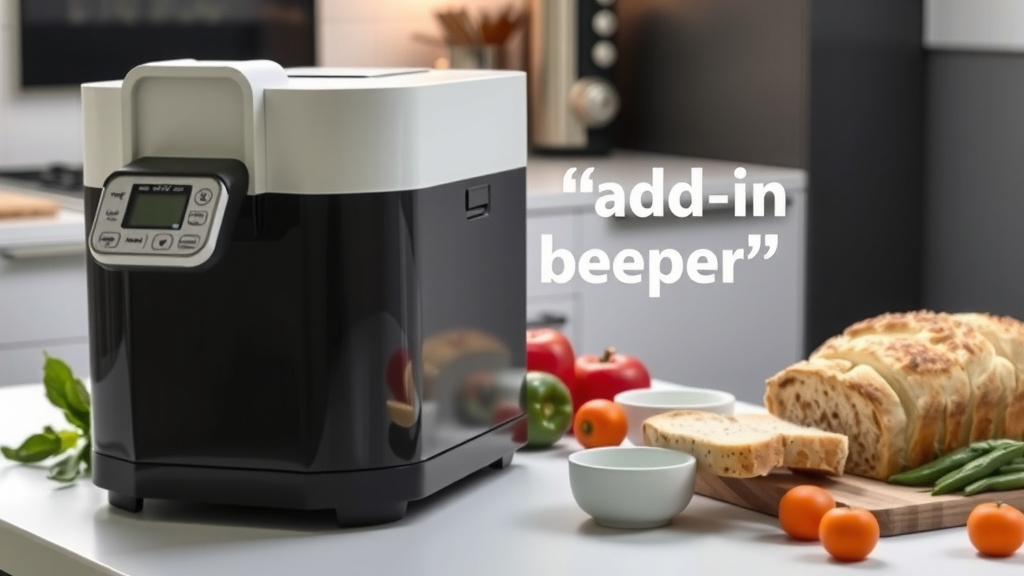
Add vegetables to bread maker dough after it begins to form, usually at the add-in beep. Cut them small and remove excess moisture to help them mix evenly.
On this page (7 sections)
- When do you add veggies to a breadmaker?
- How should you prepare vegetables for bread maker dough?
- How can you tell if the dough has too much moisture?
- How do vegetables affect add-in timing and distribution?
- Which bread maker features help with vegetable loaves?
- What should you do after the loaf bakes?
- When should you add vegetables to bread maker dough?
Add vegetables to a bread maker after the dough has begun to form, usually at the add-in beep. Cut or grate them small, remove excess moisture, and use a recipe that accounts for the vegetable's water.
Adding vegetables at the start can make them break down during mixing or interfere with gluten development. Timing and preparation matter most for juicy ingredients such as zucchini, tomato, and cooked spinach.
When do you add veggies to a breadmaker?
Add vegetables at the machine's add-in signal, if it has one. If there is no signal, wait until the dough has come together and is kneading before adding prepared vegetables.
Check the manual for the cycle's timing and whether the machine has an add-in alert. See programming a Rival bread machine.
Some machines pause briefly for additions, while others keep kneading.
For more detail on timing different ingredients, see when to add mix-ins to a bread maker. The add-in beep can help you avoid guessing, as explained in how to use the add-in beeper on a bread maker.
Can vegetables go in at the beginning?
Put vegetables in at the beginning only when the recipe or machine instructions call for it. Early mixing can crush soft pieces, and vegetables may release water before the dough structure forms.
A recipe written for carrot, pumpkin, or another vegetable may adjust the liquid and flour to account for it. Follow that recipe rather than copying the ingredient order from a plain loaf.
How should you prepare vegetables for bread maker dough?
Prepare vegetables as small, evenly sized pieces with excess water removed. Smaller pieces are easier for the dough to carry and less likely to tear the loaf's structure.
Finely grate firm vegetables when the recipe calls for grated pieces. Chop cooked vegetables small, then let them cool completely before adding.
Cook vegetables that are especially firm or watery when the recipe instructs you to do so. Drain and pat cooked vegetables dry with a clean towel; hot ingredients can also warm the dough unevenly.
Should you squeeze water from grated vegetables?
Squeeze grated zucchini or similar watery vegetables when the recipe tells you to. See bread maker window steam.
Too much free liquid can leave the dough sticky and make the baked loaf dense or gummy.
Don't squeeze every vegetable by default. A recipe may rely on the vegetable's moisture, so removing too much can make the dough dry.
Can you use frozen vegetables?
Thaw frozen vegetables, drain them, and pat them dry before adding. Ice crystals and thawing liquid can change the dough's hydration.
Use frozen vegetables only in a recipe that names them or gives a suitable amount. Corn and peas can work as small add-ins, but large or wet pieces can be hard for the dough to distribute.
How can you tell if the dough has too much moisture?
Dough that is sticky, smeared around the pan, or unable to hold a ball may have too much liquid. Check it during kneading, when small corrections are still possible.
If a recipe includes vegetables, follow its specific advice for adjusting flour or liquid. Don't add flour by guesswork all at once; small changes can affect the loaf.
Avoid opening the lid repeatedly to inspect the dough. One quick check during kneading is usually enough, and the manual may explain when opening the lid is safe.
How do vegetables affect add-in timing and distribution?
Vegetables distribute best when they are dry, small, and added after the dough forms. Pieces that are too large can clump or get caught at the edge of the pan.
Keep the pieces similar in size so they mix more evenly. For ideas that also apply to seeds and other small ingredients, read about seeded distribution in bread machine bread.
Some machines offer a fruit and nut cycle, but its name doesn't guarantee that it suits every vegetable. Check the manual and compare it with what the fruit and nut cycle does on a bread machine.
Which bread maker features help with vegetable loaves?
Programmable cycles and a dough setting can help with recipes that call for different mixing or baking steps. Learn whether bread machine programs use different temperatures.
Choose settings based on the recipe and your machine's instructions.
The West Bend Hi-Rise Bread Maker Machine Programmable has 12 digital settings, including Basic, Wheat, French, Sweet, and Dough, along with 3 loaf sizes and 3 crust settings.
The Amazon Basics Programmable Bread Maker has 14 settings, including bread, dough, and gluten-free options, plus 3 crust colors.
Choose settings by the recipe's instructions, not by the vegetable alone. To understand the machine's stages, see how a bread maker works.
What should you do after the loaf bakes?
Let the loaf cool before slicing so its crumb can set. A vegetable loaf may hold more moisture than plain bread, so cut it only after the recipe's cooling time.
If the center is gummy, review the recipe's liquid amount and vegetable preparation before changing the cycle. If pieces gathered in one area, cut them smaller or add them at the machine's signal next time.
For a loaf you plan to toast, a long-slot toaster can fit thicker artisan slices. The bella 4 Slice Slim Toaster has a 10-inch long slot and 6 shade settings.
When should you add vegetables to bread maker dough?
For most recipes, add vegetables after the dough forms or at the add-in beep, with the vegetables cut small and drained well. Use a recipe that accounts for their moisture, especially for fresh or cooked vegetables.
Choose the dough setting when a recipe calls for a separate shaping step, and follow your manual for the machine's cycle. See machines without dough settings.
For the difference between cycles, read bread maker knead vs dough setting.
For general use and upkeep, see how often to use a bread maker.
Frequently asked questions
When do you add vegetables to breadmaker dough?
Add vegetables when the machine signals for add-ins, if it has a beep. Otherwise, wait until the dough has formed and begun kneading.
Check your machine's manual for cycle timing.
Use small, dry pieces so they mix in without weighing down the dough.
Should vegetables be cooked before adding them to bread dough?
Cook watery or firm vegetables first when a recipe calls for them, then cool and drain them well. Finely grated vegetables may go in raw if the recipe is written for them.
Follow the recipe's preparation instructions because raw vegetables can release water as the dough mixes and bakes.
Can I add frozen vegetables to a bread maker?
Thaw frozen vegetables, then drain and pat them dry before adding them at the add-in signal. Ice and extra water can change dough hydration, while large frozen pieces may stay cold in the loaf.
Use the amount and preparation given in a recipe designed for that vegetable.
How much vegetable can I add to bread machine dough?
Use the amount in a bread maker recipe, since vegetables differ in water content and weight. Start with a small quantity if adapting a plain recipe, and watch the dough during kneading.
If it smears or stays wet, pause adding more and adjust only as the recipe directs.